



Categories
Applied Innovation

Revolutionizing Blood Bank Management with IoT

Categories
Applied Innovation

Revolutionizing Blood Bank Management with IoT

Blood management has changed dramatically in recent years as a result of the Internet of Things’ (IoT) connection with blood banks’ information systems. These cutting-edge solutions guarantee the purity of blood products and expedite their timely availability by using technology like RFID, GSM modules, Internet of Things sensors, and web-based interfaces.

Core Functionalities of IoT-Based Blood Bank Systems

Real-time monitoring is one of the main features of IoT-based blood bank systems. Blood storage conditions and inventory levels are continually monitored by Internet of Things devices, such as temperature and weight sensors, which provide data to a central computer for real-time analysis. This minimizes spoiling and waste by guaranteeing that blood is kept in ideal conditions. By automating inventory management, these systems ensure that blood supplies are available when needed. More effective stock management by hospitals and blood banks helps lessen shortages and surpluses.

Additionally, IoT makes it easier for blood banks, medical institutions, and donors to communicate with one another. Stakeholders are kept informed and linked through SMS notifications and intuitive online interfaces, which improves the process’s overall effectiveness. Remote access and monitoring are made possible by the cloud’s secure data transfer and storage. There are platforms that gather and send data using APIs to send sensor data to specific channels for viewing and real-time changes.

RFID Technology

Blood bags equipped with RFID technology allow for accurate monitoring and placement, improving safety and quality control. Without the need for human involvement, smart blood bags give consumers accurate blood group information and storage dates. In order to ensure blood safety, automated devices record temperature and humidity, reducing the possibility of human mistake in manual recording. The donation process is made more efficient and seamless via streamlined donor registration and web interfaces that provide access to vital information. The blood stays within safe bounds throughout storage and transit thanks to constant blood bag temperature monitoring. Mobile applications give stakeholders convenience and control by enabling remote refrigerator activation and blood bag status monitoring.

System Components

Sensors like weight and temperature sensors that keep an eye on stock levels and blood bag conditions are among the system components of Internet of Things-based blood banks. Microcontrollers gather and send sensor data, enabling cloud integration and data sharing. Data transfer and SMS-based communication are made possible via GSM modules. Web interfaces, created with HTML, CSS, and Flask, give employees access to real-time data and management features. Wi-Fi modules allow wireless connectivity between the blood bank and the cloud, while SQLite3 databases store and manage blood bank data.

How the System Works

Sensors that track the blood bank’s temperature, humidity, and blood stock levels are used by the system to gather data. Data is sent to a central server or cloud platform using GSM modules. The online interface is updated in real time with information about blood inventory, donor details, and other important data after the server has analyzed the data. Through the online interface, stakeholders may remotely monitor blood bank operations, and SMS notifications are delivered for crucial occurrences like low blood stock or temperature anomalies. Blood donations for persons in need can also be facilitated via communication between donors and receivers.

Takeaway

IoT-based blood bank information systems guarantee that patients receive blood when they need it, drastically improve blood quality and safety, and cut down on waste. By increasing availability to blood at health facilities, these systems help solve issues like rural blood shortages, thereby saving lives and enhancing medical results. We can get closer to a future where blood donation and distribution are more effective, dependable, and available to everyone by incorporating state-of-the-art technology into blood bank operations.

Reach out to us at open-innovator@quotients.com or drop us a line to delve into the transformative potential of this groundbreaking technology. We’d love to explore the possibilities with you.

Categories
Applied Innovation

Industry 4.0 and the Power of AI: Shaping the Future of Manufacturing

Categories
Applied Innovation

Industry 4.0 and the Power of AI: Shaping the Future of Manufacturing

The Fourth Industrial Revolution, or Industry 4.0, denotes a significant change in production and manufacturing methods. Automation, cutting-edge technology, and data are being combined to build “smart factories” that are extremely effective, adaptable, and networked. Artificial intelligence (AI), a game-changing technology that facilitates real-time data processing and decision-making, is at the core of Industry 4.0.

The Role of Automation and AI in Industry 4.0

In Industry 4.0, automation refers to the employment of computer-controlled systems to carry out jobs that were previously completed by people. This change improves product quality, lowers mistakes, and increases manufacturing efficiency. Higher output rates and constant quality are the results of automated systems’ ability to run continuously without becoming tired.

AI makes it possible for computers to learn from their experiences, adjust to new information, and carry out activities that previously needed human intellect, especially through machine learning. By giving software human-like comprehension, artificial intelligence (AI) improves automation and lessens the need for human interaction in production. AI-powered robots, for instance, are capable of product assembly, quality control, and real-time process adjustments based on data analysis.

How AI Benefits Industry 4.0

The Internet of Things (IoT) and artificial intelligence (AI) enable ongoing manufacturing process monitoring and optimization. Machine sensors gather data, which artificial intelligence systems then examine to find inefficiencies and recommend fixes. Waste reduction, better product quality, and enhanced overall efficiency are the results of this ongoing feedback loop.

Predictive maintenance is one of the biggest advantages of AI in Industry 4.0. AI can evaluate machine data to forecast when a part is likely to break, enabling prompt maintenance and avoiding expensive downtime. This proactive strategy guarantees smooth operations and increases the equipment’s lifespan.

AI may identify tiny irregularities and underlying causes of production issues that may go unnoticed by humans through machine learning and ongoing analysis. AI makes it possible to intervene quickly by spotting these problems early, guaranteeing that only superior items make it to market.

AI is essential for improving worker safety. AI-powered solutions are able to keep an eye on workplaces, identify any risks, and notify employees to take precautions. AI, for example, may examine video footage from manufacturing floors to spot dangerous practices or broken machinery, lowering the possibility of mishaps.

AI is quite good at finding patterns and trends in big datasets. AI may be used in Industry 4.0 to forecast market demand based on consumer behavior and consumption trends. This feature lowers overproduction and stockouts by enabling manufacturers to match their production schedules with market demands.

One cutting-edge use of AI that supports the design stage of product development is generative design. Based on predetermined characteristics, such material attributes and production restrictions, AI algorithms may produce a variety of design possibilities. This method speeds up the design process and makes it possible to use 3D printing to create efficient, reasonably priced prototypes.

AI analyzes data and locates bottlenecks to optimize a variety of production processes. AI increases production, lowers downtime, and raises the caliber of the finished product by making modifications in real time. AI may, for instance, modify resource allocation and manufacturing line speeds to guarantee optimal efficiency.

AI makes it easier to use less energy and materials, which lowers production costs. Production planning may be optimized by AI algorithms, guaranteeing waste reduction and effective resource usage. This feature is especially useful in sectors like manufacturing and logistics that use a lot of energy.

Challenges of Automation in Industry 4.0

Large investments in new technologies are necessary to make the shift to Industry 4.0. Significant financial resources are needed for staff training, infrastructure upgrades, and the deployment of AI-driven automation solutions. To make wise judgments, businesses must balance the upfront expenses with the long-term advantages.

The workforce must adjust when routine and repetitive duties are replaced by automation and artificial intelligence. It is crucial to retrain staff members to operate efficiently with cutting-edge technology. Employees must reskill and upskill in order to meet the evolving needs of the digital era. To guarantee a seamless transition, businesses must fund education and training initiatives.

Large volumes of data are produced by Industry 4.0’s combination of AI and IoT. A major difficulty is ensuring data security and privacy. Strong cybersecurity measures must be put in place by businesses to shield private data from breaches and assaults. Furthermore, adherence to data privacy laws is necessary to preserve client confidence and stay out of trouble with the law.

Key Takeaways

Automation and artificial intelligence are driving a revolutionary age in manufacturing and production known as Industry 4.0. Demand prediction, generative design, process optimization, quality control, increased safety, increased efficiency, and improved resource management are just a few advantages that these technologies provide. But there are drawbacks to the shift to Industry 4.0 as well, such high costs, shifting labor, and data security issues.

AI is a key component of Industry 4.0, offering the adaptability and agility required to address logistical, production, and supply chain issues. Manufacturing is expected to become more inventive, sustainable, and efficient in the future as businesses continue to use AI and automation. Businesses can fully realize the promise of Industry 4.0 and prosper in the digital era by investing in cutting-edge technology and upskilling their employees.

Reach out to us at open-innovator@quotients.com or drop us a line to delve into the transformative potential of this groundbreaking technology. We’d love to explore the possibilities with you.

Categories
Applied Innovation

The Transformative Power of AI and Automation in the Automotive Industry

Categories
Applied Innovation

The Transformative Power of AI and Automation in the Automotive Industry

Automation and artificial intelligence (AI) are leading a radical change in the automobile sector. These technologies are changing every aspect of driving, from production and design to safety advancements and the emergence of driverless vehicles. The future of cars appears to be smarter, safer, and more environmentally friendly than ever before because to AI’s capacity to maximize efficiency, improve safety, and spur innovation.

Revolutionizing Vehicle Design and Manufacturing

Optimized Vehicle Design: Artificial Intelligence is revolutionizing the process of designing vehicles. AI algorithms improve crucial components like aerodynamics, weight distribution, and structural integrity by examining enormous datasets. Before a physical prototype is ever made, designers can simulate various design configurations using this data-driven technique, guaranteeing that cars are not only more efficient but also safer and sleeker. The outcome? a simplified design procedure that cuts down on development time and expenses.

Increased production Efficiency: AI is also a major factor in changing the production environment. Manufacturers may save production costs and avoid delays by using predictive analytics to optimize inventory management and foresee any supply chain interruptions. AI-powered robots on the assembly line are improving accuracy and quality control by automatically spotting flaws and guaranteeing that only immaculate cars reach the market. A new benchmark for industrial excellence is being set by this automation integration.

Advancing Safety Through AI

Next-Gen Safety Systems: Advanced Driver Assistance Systems (ADAS) that are at the forefront of technology are powered by artificial intelligence. AI is used by features like automated emergency braking, adaptive cruise control, and lane-keeping assistance to identify possible dangers and make prompt corrections. Lane departure alerts notify the driver if they inadvertently stray from their lane, while adaptive cruise control modifies speed to keep a safe distance from neighboring cars. These clever solutions offer an additional degree of road safety by drastically lowering the chance of collisions.

Predictive Maintenance for Optimal Performance: Predictive maintenance is one of the most important safety advancements that artificial intelligence offers. AI systems are able to anticipate when maintenance is required before a small issue turns into a serious one by continually monitoring vehicle performance and evaluating data in real-time. This proactive strategy ensures that drivers have fewer breakdowns and enjoy safer, more dependable travels by reducing expensive repairs and increasing vehicle lifetime.

The Rise of Autonomous Driving

Self-Driving Cars: AI is the engine powering the development of autonomous vehicles. Self-driving cars can traverse the environment with little assistance from humans thanks to a mix of sensors, cameras, and sophisticated machine learning algorithms. Leading firms like Waymo and Tesla are constantly developing their autonomous systems, which raises the dependability and safety of self-driving automobiles. These cars can comprehend their environment, make judgments in real time, and drive with unmatched accuracy thanks to artificial intelligence.

Massive Data Processing for Real-Time Decisions: To assess their surroundings and forecast the actions of nearby objects, autonomous cars analyze enormous volumes of data—more than one terabyte per second. AI is able to identify possible impediments, anticipate their motions, and decide on the best course of action by using complex machine learning models. The safety and effectiveness of autonomous driving, which enables cars to make snap judgments in dynamic, real-world situations, depend on this data-intensive procedure.

Enhancing the User Experience

AI-Driven Infotainment Systems: By customizing infotainment systems, AI is transforming the in-car experience. These systems, which are driven by intelligent voice assistants, are capable of managing a wide range of functions, including climate control, music selection, and navigation, all of which are customizable to the preferences of the user. Every trip is made more pleasurable and convenient by this individualized approach, which provides drivers and passengers with a smooth and simple experience.

Driver Monitoring for Safety and Focus: Real-time driver behavior monitoring is now possible with in-cabin AI technologies. These systems can identify indications of inattention or tiredness by examining eye movements, facial expressions, and other biometric data. To encourage safer driving, the device will sound a warning if a motorist seems tired or preoccupied. By keeping drivers’ attention on the road ahead, this technology helps to reduce accidents brought on by human mistake.

Future Prospects

In the upcoming years, the automobile industry’s automation and artificial intelligence integration will only pick up speed. According to market estimates, the AI automotive industry may be worth billions of dollars, highlighting the rising need for safer, smarter, and more efficient automobiles. We may anticipate even more advancements as AI technologies develop, such completely driverless cars that can maneuver through intricate metropolitan settings and sophisticated predictive maintenance programs that increase the longevity of our automobiles.

Takeaway

The automobile sector is being transformed by AI and automation, not merely improved. These technologies are influencing the direction of mobility in the future by streamlining the design and production of vehicles, bringing innovative safety features, and facilitating the development of self-driving automobiles. We may anticipate a future where driving is safer, more effective, and more pleasurable than it has ever been as the automobile industry continues to use AI.

Categories
Events

Exploring the Future of Healthcare: AI-Powered Multimodal Systems at the Open Innovator Session

Categories
Events

Exploring the Future of Healthcare: AI-Powered Multimodal Systems at the Open Innovator Session

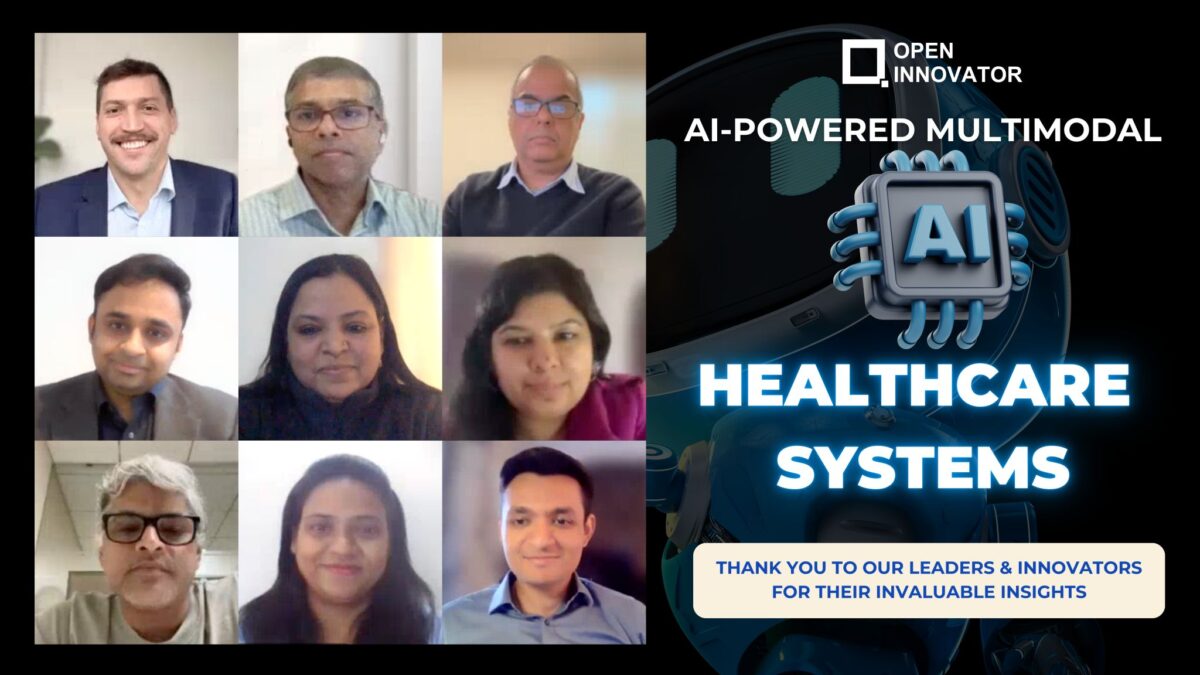
The Open Innovator Session on the “AI Powered Multimodal Healthcare System,” held on January 21st, explored the essential role of AI technologies in integrating medical data and enhancing healthcare delivery. The session featured expert panelists such as Shyamnath Harinath from Siemens Healthineers, Claude Waddington, Principal Consultant at The Palindromic, Bharat Aggarwal, Principal Director at Max Healthcare, Naman Kothari, Innovation Lead, Nasscom CoE and Shantanu Gaur, Senior Innovation Manager at Nasscom CoE. Additionally, the co-founders of Easiofy Solutions, Meenal Gupta, Noor Fatma, and Mukesh Mhatre, Managing Director at Nuverse, presented their innovative solutions.  

The Panelists shared their insights on the transformative potential of AI in creating a unified healthcare ecosystem that incorporates diverse data sources, from clinical records to wearable devices. Key topics included patient care enhancements, digital twins for continuous patient monitoring, and multimodal AI for improving workflows and personalized treatment.

Overview of the Presentation

The presentation began by highlighting the disorganization in current healthcare systems and presented AI as a potential solution to integrate diverse health data, such as X-rays and fitness tracker data, into a cohesive ecosystem. The discussion was framed around the life-saving significance of these technologies, inviting audience participation and emphasizing the relevance of AI in healthcare today.

Key Discussion Points and Expert Insights

  1. AI and Multimodal Technologies in Healthcare: Panelists discussed the impact of AI in enhancing healthcare systems. Shantanu G from Nasscom focused on the importance of AI adoption in India’s healthcare sector, while Sham from a medical technology company shared his work on developing a digital twin—a system that integrates data from multiple sources for continuous patient monitoring and actionable insights.
  2. The Role of Automation and Data Structuring: One of the major points of discussion was the importance of automation in healthcare to reduce time and improve access to medical services. Panelists discussed their efforts to eliminate data silos by structuring and aggregating data from pharmaceuticals, Medtech, and major tech firms. Examples included using text automation to optimize clinical environments and integrating data in radiology to improve operational efficiency.
  3. Multimodal AI for Streamlined Healthcare: Experts emphasized the benefits of multimodal AI in integrating data from various hospital departments, making healthcare processes more efficient. He highlighted examples such as an AI-powered remote screening system for glaucoma and the automation of discharge summaries, both of which improve accessibility and patient experience.
  4. Equity and Accessibility in AI Healthcare Solutions: The conversation also touched on the need for equitable access to AI-driven healthcare, particularly for underserved populations. Claude stressed the importance of policy frameworks and structured data to enable AI adoption, particularly in high-demand environments like India, where doctor workloads are often overwhelming.
  5. Challenges in AI Integration: The integration of AI tools into clinical workflows, particularly in radiology, was identified as a major challenge due to the lack of interoperability between different AI systems. Panelists called for improved communication protocols and standards (e.g., HL7, FHIR) to ensure that various AI solutions can work together seamlessly.
  6. Digital Infrastructure and Privacy Concerns: Dr. Bhat highlighted the necessity of a robust digital infrastructure, particularly in institutions struggling to transition from paper records to digital formats. Additionally, the importance of data privacy and security was emphasized, with panelists discussing recent regulations like the DPDP Act and the need for compliance from all stakeholders.
  7. Evaluation and Monitoring of AI Models: The ongoing evaluation and oversight of AI models were discussed as a crucial step to ensure optimal performance. Regular monitoring of AI systems can address issues such as anomalies or inaccuracies, ensuring that they remain reliable in clinical settings.

Startup Pitches and Innovation Showcase

The session also included startup pitches, one of which featured Minal Gupta and her team from Easiofy Solutions, who introduced a multimodal AI system designed to enhance medical imaging diagnostics and surgical planning. This system integrates seamlessly into existing healthcare infrastructure by adhering to standards. The innovation aims to improve diagnostic accuracy and reduce the time needed for procedures such as cranial implant design and surgical planning, showcasing the potential of AI in transforming healthcare practices. Mukesh Mhatre, Managing Director at Nuverse, presented innovative solutions from his company.

Future Outlook and Responsible AI Use

The conversation concluded with a focus on the future of AI-powered healthcare systems, emphasizing the need for responsible use, cross-validation, and transparency in AI applications. Panelists discussed the potential of AI to provide personalized, efficient, and equitable healthcare, urging continued collaboration among stakeholders to maximize its benefits. The speakers expressed optimism about the advancements in AI technologies but stressed the importance of ongoing dialogue, ethical considerations, and responsible innovation in healthcare.

The session underscored the transformative potential of AI-powered multimodal healthcare systems. By leveraging AI to integrate diverse data sources, streamline workflows, and personalize treatments, these innovations promise to enhance healthcare delivery globally, while also addressing key challenges such as equity, data privacy, and interoperability.

Categories
Applied Innovation

Reimagining Carbon Capture Through AI

Categories
Applied Innovation

Reimagining Carbon Capture Through AI

Carbon capture technology have advanced significantly as a result of the increased worldwide effort to tackle climate change in recent years. Among these developments, artificial intelligence (AI) has become a game-changer, improving the accuracy, efficiency, and affordability of carbon capture procedures. Here, we examine AI’s major contributions to this important area.

Material Optimization

Material optimization is one of the main ways AI is transforming carbon capture. At the vanguard of this endeavor are machine learning models, including Graph Neural Networks (GNNs) and Artificial Neural Networks (ANNs). Under varied operating circumstances, these models can forecast the CO₂ adsorption capacity and selectivity of a variety of materials, including Metal-Organic Frameworks (MOFs). Researchers can quickly screen and choose the best materials for carbon capture systems (CCS) by utilizing these AI approaches, greatly cutting down on the time and expense involved with conventional experimental methods.

For example, large datasets may be analyzed by ANNs and GNNs to find correlations and patterns that people would find difficult, if not impossible, to recognize. This feature improves the overall performance of CCS technology by enabling the creation of more effective and efficient materials for CO2 capture.

Process Optimization

AI is also essential for improving the carbon capture devices’ operating parameters. In this context, Adaptive Neuro-Fuzzy Inference Systems (ANFIS) have proven very successful. Based on a number of variables, including concentration, temperature, and pressure, these systems are able to simulate how soluble CO₂ is in capturing solvents. ANFIS has significantly improved CO₂ solubility by determining ideal operating conditions, which has increased the effectiveness of carbon capture technologies.

Furthermore, AI-driven process optimization lowers operating expenses and energy usage. AI makes ensuring that carbon capture systems run as efficiently as possible by adjusting their parameters, which increases the technology’s viability for widespread use.

Simulation and Modeling

AI has greatly improved modeling and simulation, two essential aspects of the carbon capture environment. AI-driven computational tools are used in projects such as the Carbon collection Simulation for Industry Impact (CCSI 2) to model and improve CO₂ collection devices. These technologies offer integrated models that support risk analysis, decision-making, and CCS operation optimization.

Researchers may carry out time- and money-efficient virtual experiments by using AI for modeling and simulation. By exploring different situations and environments, these simulations offer important insights into the functionality and possible advancements of carbon capture technology. In the end, AI-powered modeling and simulation help to save expenses and boost the effectiveness of CCS operations.

Enhanced Predictive Accuracy

AI models’ prediction accuracy has revolutionized carbon capture procedures. It has been shown that AI models can estimate CO2 collection levels with significant accuracy. Compared to conventional techniques, this high degree of precision enables more accurate process output forecasting and the determination of ideal operating conditions with less computing load.

Increased prediction accuracy promotes more informed decision-making in addition to increasing the dependability of carbon capture devices. Researchers and operators can now safely forecast the results of different actions thanks to artificial intelligence (AI), which will result in more effective and efficient carbon capture techniques.

Real-Time Monitoring and Control

The way CO2 levels are tracked and managed in carbon capture systems is being revolutionized by AI-enabled sensor networks. These networks enable dynamic modifications to operating settings by providing real-time data on CO₂ concentrations. This feature makes CCS technologies more responsive and efficient, guaranteeing that they always function at their best.

In addition to eliminating expensive downtime and guaranteeing the continuous operation of carbon capture systems, real-time monitoring and control also aid in the early discovery of any problems. Operators may ensure the greatest levels of performance and dependability in their carbon capture endeavors by utilizing AI for real-time monitoring.

Cost Reduction

A key element in the broad use of carbon capture systems is cost reduction. By improving the materials and procedures utilized for carbon capture, artificial intelligence helps achieve this objective. AI dramatically reduces the total costs of CCS technologies by cutting down on the time and resources needed for material selection and process optimization.

Additionally, AI-driven increases in accuracy and efficiency result in fewer operating expenses. As a result, carbon capture becomes a more cost-effective option for widespread use, contributing significantly to international efforts to slow down climate change.

Takeaway

In conclusion, artificial intelligence (AI) is transforming carbon capture operations by improving prediction accuracy, cost reduction, simulation and modeling, material and process optimization, and real-time monitoring and control. Researchers and operators can create carbon capture technology that are more inexpensive, efficient, and successful by utilizing AI. AI-driven developments in carbon capture provide a possible route toward a more sustainable future as the globe struggles with the effects of climate change.

Categories
Applied Innovation

Transforming Suicide Risk Prediction with Cutting-Edge Technology

Categories
Applied Innovation

Transforming Suicide Risk Prediction with Cutting-Edge Technology

In many industries, but especially in healthcare, artificial intelligence (AI) is becoming a crucial tool. Among the many uses of AI, its capacity to forecast suicide risk is particularly significant. AI is capable of accurately identifying those who are at danger of suicide by using its enormous processing and analysis capacity. This opens up a new area of mental health treatment where conventional techniques for determining suicide risk frequently fall short. A paradigm change has occurred with the introduction of AI-driven methods, which offer quicker and more precise treatments.

Effectiveness of Explainable AI (XAI)

Explainable Artificial Intelligence (XAI) is one of the most important developments in this area. Clinical applications may encounter difficulties due to the opaque decision-making processes of traditional AI models, also known as “black box” models. XAI solves this problem by improving the models’ human-understandability. The ability of XAI to predict suicide risk using medical data has been shown in recent research. Researchers have used models like Random Forest to attain excellent accuracy rates by utilizing machine learning and data augmentation approaches. In addition to identifying characteristics like high wealth and education that are associated with a decreased risk of suicide, these models can reveal important predictors like anger management problems, depression, and social isolation.

Integration of Big Data

Another significant advancement that improves AI’s capacity to forecast suicide risk is the incorporation of big data. Large datasets that may be computationally examined to identify patterns, trends, and correlations are referred to as “big data.” These complicated datasets, which might include social media activity and electronic medical records, are especially well-suited for analysis by AI approaches. For example, by integrating social media data with medical records, a model showed a notable increase in prediction accuracy compared to clinician averages. By considering both clinical and non-clinical signs, this integration enables a more comprehensive assessment of a person’s risk factors.

Active vs. Passive Alert Systems

The use of AI in healthcare contexts, especially for predicting suicide risk, requires alert systems. Active and passive alarm systems are two possible AI-driven strategies for warning physicians about the risk of suicide. While passive alerts provide information in electronic health records without prompting, active alerts encourage doctors to assess risk in real-time. In several circumstances, the active warnings prompted doctors to assess risk since they were far more effective. On the other hand, busy healthcare practitioners frequently failed to recognize passive systems.

Machine Learning Algorithms

The foundation of AI’s predictive ability is machine learning algorithms. Numerous machine learning methods have demonstrated significant potential in the field of suicide risk prediction. Convolutional Neural Networks (CNN) and Support Vector Machines (SVM) have been found to have superior accuracy among them. Numerous factors, including past suicide attempts, the severity of mental illnesses, and socioeconomic determinants of health, may be analyzed by these models to find important aspects for prediction. These algorithms may gradually increase their forecast accuracy by learning from fresh data, providing mental health practitioners with a flexible tool.

Challenges and Ethical Considerations

Even though AI shows promise in predicting suicide risk, there are a number of obstacles and moral issues that need to be resolved:

  • Data Restrictions: The absence of complete datasets containing imaging or neurobiological data is a major research barrier. Such information may improve prediction accuracy by offering a more thorough comprehension of the fundamental reasons behind suicide conduct.
  • Interpretability: Although XAI has made significant progress in increasing the transparency of AI models, many conventional models continue to function as “black boxes.” Because medical professionals must comprehend the underlying assumptions of projections in order to make well-informed judgments, this lack of interpretability presents a problem for clinical use.
  •  Ethical Issues: There are serious ethical issues with the usage of sensitive data, especially when social media information is combined with medical records. To guarantee that people’s rights are upheld, privacy, consent, and data security issues need to be carefully considered.

The Future of AI in Suicide Risk Prediction

Though it will take coordinated efforts to overcome present obstacles, the future of AI in suicide risk prediction seems bright. To ensure that AI models can be successfully incorporated into clinical practice, researchers are always trying to improve their interpretability and accuracy. Additionally, in order to protect people’s rights and privacy, ethical standards and legal frameworks must change in step with technology breakthroughs.

Takeaway

AI’s ability to identify suicide risk represents a major breakthrough in mental health treatment. AI provides instruments for prompt intervention by utilizing sophisticated algorithms and evaluating vast datasets, potentially saving countless lives. To resolve ethical issues and enhance these models’ interpretability for therapeutic usage, however, more work is required. It is hoped that as the area develops, AI will play a crucial role in providing mental health treatment in a holistic manner, opening up new perspectives on suicide prevention and comprehension.

Categories
Applied Innovation

Transforming Recycling Through Gamification

Categories
Applied Innovation

Transforming Recycling Through Gamification

New ideas are being developed to promote sustainable habits as the globe struggles with environmental issues. One such innovative development is a state-of-the-art software that aims to transform recycling by making it enjoyable and rewarding. Applications that promote good recycling behaviors and make it easier to locate recyclable items are being created by utilizing gamification and generative AI.

Gamified Recycling Experience

These applications’ use of gamification to encourage recycling is among their most notable features. With the help of the app’s extensive point system, users may earn “coins,” or points, for each item they recycle correctly. These coins can be exchanged for cash, partner brand discounts, or contributions to worthy causes. Users have a real incentive to recycle because each scanned item typically yields some monetary rewards.

These applications feature entertaining tasks and contests that let users gain experience points (XP) and unlock levels or trophies in an effort to increase user engagement even further. Because users may compete with friends and other recyclers to gain incentives and better points, these gamified features not only make recycling more fun but also help users feel more connected to one another.

AI-Powered Identification

These applications use cutting-edge AI technology to make recycling more efficient. The program enables users to utilize the cameras on their smartphones to scan objects using an open-source computer vision model. Real-time identification of common home objects is made possible by this intelligent recognition technology, which also informs users of the material kind and appropriate recycling techniques. By pointing users to local recycling facilities depending on their location, these applications not only detect objects but also provide local recycling advice. For things that can’t be disposed of in regular home trash cans, this function is very useful because it makes it simple for customers to locate the right recycling facilities.

User Engagement and Impact

With a significant number of active users, such apps are generating a lot of user interaction. Many parcels have been recycled thanks to their broad adoption, demonstrating how well they works to encourage environmentally friendly behavior. The software gives users a clear picture of their environmental effect by tracking their sustainability contributions and calculating the CO2 emissions they save via recycling.

Partnerships with renowned brands significantly increase the effectiveness of this strategy. Through incentives, these partnerships not only encourage customers to adopt sustainable behaviors but also strengthen brand loyalty. Partner brands encourage consumers to recycle more and help create a greener world by providing discount coupons and other incentives.

Educational Component

In addition to their AI-powered and gamified features, these applications are an excellent teaching tool. By offering comprehensive guidance on how to properly recycle different materials, it seeks to educate consumers about appropriate trash disposal methods. Users are encouraged to adopt sustainable behaviors and have a better understanding of their environmental effect thanks to this instructional component.

Additionally, these applications include an effect tracking function that lets users see their own recycling data. By showing the concrete results of users’ efforts, this feature reinforces beneficial behaviors by displaying the sorts of materials recycled and the quantity of CO2 avoided. People are more likely to stay involved and dedicated to recycling responsibly if they can see how they contribute to sustainability.

Future Developments

The developers have big ambitions for this strategy’s future, hoping to increase its use worldwide and keep advancing its technology. These applications are positioned as leaders in applying AI for environmental sustainability thanks to a recent update. Consequently, more markets will see such launches, expanding user base and showcasing cutting-edge capabilities.

The creators intend to improve the program based on data analytics and user input in addition to expanding geographically. They can find areas for improvement and provide new features that further expedite the recycling process by examining user behavior and preferences. Such apps will continue to be at the forefront of sustainable technology thanks to these ongoing improvements.

Takeaway

This innovative recycling strategy blends gamification, education, and technology to provide an engaging platform that not only encourages recycling but also cultivates a sustainable community. Such apps are helping to create a more environmentally conscious society by making recycling profitable and accessible.

These apps encourage users to actively safeguard the environment by addressing typical obstacles to recycling through its gamified experiences, AI-powered detection, and educational materials. The software has the potential to significantly improve people’s attitudes about recycling and environmental sustainability as it develops and grows.

This software is a prime example of the revolutionary potential of artificial intelligence (AI) and gamification in tackling global issues by fusing cutting-edge technology with creative approaches. As more people utilize the app and its capabilities, the environmental effect will increase overall, making the future cleaner, greener, and more sustainable for all.

Reach out to us at open-innovator@quotients.com or drop us a line to delve into the transformative potential of this groundbreaking technology. We’d love to explore the possibilities with you.

Categories
Applied Innovation

Smart Hydroponics: A Cutting-Edge Approach to Agriculture

Categories
Applied Innovation

Smart Hydroponics: A Cutting-Edge Approach to Agriculture

Innovative farming techniques like smart hydroponics have become a ray of light in a world struggling with rising food demand and shrinking arable land. Smart hydroponics is a state-of-the-art method of farming that uses technology to maximize plant development without soil by using nutrient-rich water solutions. In addition to increasing agricultural productivity, this approach solves a number of issues that traditional farming faces. Smart hydroponics, which combines cutting-edge technology with conventional hydroponics, promises to transform food production while guaranteeing efficiency and sustainability.

The Core of Smart Hydroponics: Technology and Innovation

Smart hydroponics’ dependence on technology is one of its distinguishing features. In contrast to conventional farming, which relies heavily on weather, soil quality, and human work, smart hydroponics uses technology to create the perfect environment for plant development. This system’s core consists of a network of sensors, Internet of Things devices, and automation tools that cooperate to track and manage different elements of the developing environment.

Automated Monitoring and Control

Real-time monitoring and management of environmental conditions is a key benefit of smart hydroponic systems. These systems frequently use Internet of Things (IoT) technology, which makes it possible to monitor variables like temperature, humidity, light intensity, CO₂ levels, pH, and the water’s electrical conductivity (EC) in real time. This data is gathered by wireless sensors and made remotely accessible through dashboards or applications. This degree of accuracy reduces the possibility of plant diseases and environmental stresses while guaranteeing that plants develop in the best possible conditions.

Increased Productivity

Compared to traditional agricultural practices, smart hydroponics may greatly boost crop yields by using automated technologies. According to studies, careful management of fertilizer supply and environmental factors can increase crop yields by 30–40%. Climate control, proper lighting schedules, and controlled fertilizer dosing all work together to provide the perfect environment for plant development, which is how this efficiency is attained. Furthermore, crops may be grown year-round, regardless of seasonal variations, thanks to the capacity to grow plants in a controlled environment, which increases production even more.

Resource Optimization: A Sustainable Approach

Traditional farming methods frequently waste a lot of resources, especially fertilizer and water. Conversely, smart hydroponic systems are a sustainable substitute as they are made to maximize resource utilization. These systems reduce resource waste by guaranteeing that water and nutrients are only supplied when required, which is essential in areas where water scarcity is an issue.

  • Water Efficiency

One of the biggest users of freshwater is agriculture, which contributes to the rising worldwide problem of water shortage. This problem is solved by smart hydroponics, which uses a closed-loop system that recycles and recirculates water. Up to 90% of the water used in conventional soil-based farming may be saved with this technique. Furthermore, intelligent hydroponic systems may optimize water consumption by keeping an eye on the pH and electrical conductivity (EC) of the water to make sure plants get the proper quantity of nutrients.

  • Nutrient Management

Another crucial component of intelligent hydroponics is nutrient control. Pollution of the land and water can result from fertilizer runoff in conventional farming. Smart hydroponic systems, on the other hand, precisely regulate the flow of nutrients, guaranteeing that plants get just the right quantity. This lessens the negative effects of farming on the environment while simultaneously improving plant development.

  • User-Friendly Interfaces: Making Farming Accessible

The intuitive user interfaces of smart hydroponic systems are among their most alluring qualities. Mobile applications are frequently included with these systems, enabling users to control them from any location. Users may get alerts about possible problems, system performance, and plant health through these applications. Because of its ease of use and accessibility, smart hydroponics is a desirable choice for both inexperienced gardeners and seasoned farms.

  • Remote Management and Alerts

Users of smart hydroponic systems may access real-time updates and insights into their growing environment through mobile applications. If any parameter deviates from the ideal range, these applications may notify users so they can take prompt remedial action. For example, the system can alert the user if the nutrition solution’s pH level becomes excessively acidic or alkaline so that the user can adjust the pH appropriately. This preventative measure guarantees that plants continue to be robust and fruitful.

  • Data Analytics and Insights

The capacity of intelligent hydroponic systems to gather and evaluate data over time is an additional benefit. Users may learn about their expanding trends and make well-informed judgments to maximize their operations by monitoring past data. For instance, users may ascertain the ideal lighting schedule for various crops by examining data on plant development and light intensity. Innovation and ongoing agricultural practice improvement are made possible by this data-driven approach.

Benefits of Smart Hydroponics

The benefits of intelligent hydroponics go beyond improved output and resource efficiency. This creative farming method has several advantages that make it a good option for agriculture’s future.

  • Enhanced Plant Quality

Plants are given the best nourishment and care possible thanks to careful environmental management and ongoing monitoring. Better taste, texture, and nutritional value result from healthier crops. Furthermore, smart hydroponic systems use less pesticides and herbicides since they function in regulated conditions, making them less vulnerable to illnesses and pests.

  • Reduced Labor Costs

One important aspect of intelligent hydroponic systems is automation, which lessens the requirement for continual human supervision. Automation frees up manpower for other duties by handling chores like temperature control, pH balancing, and nutrition dosing. In addition to lowering operating expenses, this decrease in physical labor frees up farmers to concentrate on other facets of their operations, such distribution and marketing.

  • Scalability

Because of its great scalability, smart hydroponic systems may be used in a wide range of settings, from big commercial operations to small-scale urban farms. Because these systems are modular, growers may begin with a basic setup and add more as needed. Because of its adaptability, smart hydroponics is a desirable choice for both professional farmers and enthusiasts.

Takeaway

By incorporating technology into plant production methods, smart hydroponics is transforming the agricultural industry. It is a viable option for sustainable farming in the current world because of its many benefits, which include higher production, resource efficiency, and ease of use. Smart hydroponics, which addresses many of the issues with traditional farming, provides an efficient and sustainable method of growing food by utilizing cutting-edge technology like automation, data analytics, and the Internet of Things.

In order to ensure food security as the world’s population continues to rise and food demand rises, creative solutions like smart hydroponics will be essential. Smart hydroponics offers a practical and sustainable substitute for traditional agricultural practices by maximizing resource use, improving plant quality, and lowering labor expenses. Smart hydroponics has enormous promise for both big commercial operations and small-scale urban farms, offering a more efficient and environmentally friendly agricultural future.

Categories
Applied Innovation

Transforming Healthcare with Smart Stethoscopes and Advanced Technologies

Categories
Applied Innovation

Transforming Healthcare with Smart Stethoscopes and Advanced Technologies

The incorporation of cutting-edge technologies into medical equipment is causing a revolution in the healthcare sector. The smart stethoscope system is one notable invention that uses artificial intelligence (AI), mobile apps, and data collecting to improve the functionality of conventional stethoscopes. This technology transforms patient care and monitoring by providing a smooth fusion of accuracy, real-time analysis, and intelligent diagnostics.

Smart Stethoscope

An advanced technological advancement is being made to the conventional stethoscope, which has been a mainstay of medical diagnosis for more than a century. These days, smart stethoscopes come with digital sensors and connection features that record lung and heart sounds in previously unheard-of detail. By converting acoustic sounds into digital data, these sophisticated stethoscopes pave the way for deeper research and more intelligent medical solutions.

Data Collection with Smart Stethoscopes

The smart stethoscope, which is at the center of this breakthrough, is made to record lung and heart sounds with remarkable precision. Smart stethoscopes, in contrast to their traditional counterparts, are equipped with digital sensors that convert acoustic waves into digital information. After that, the data is smoothly sent to a mobile application for additional analysis.

Mobile App: The Interface for Smart Interpretation

An essential interface that connects the smart stethoscope and the healthcare professional is the companion smartphone app. The application transforms the recorded heart and lung sounds into graphic waveforms. Healthcare professionals can more easily analyze the data thanks to these visual representations, which help them spot anomalies that could otherwise go overlooked. Additionally, the software collects past data, saves patient records, and sends out real-time notifications for any unusual trends that need to be addressed right away.

Cloud-Based Intelligence: AI and Machine Learning for Diagnosis

The cloud-based intelligence of the smart stethoscope system, which is driven by cutting-edge AI and machine learning algorithms, is what really makes it unique. Doctors can benefit greatly from this system’s ability to screen for and identify aberrant cardiac sounds. Let’s examine its operation in more detail:

Data Upload:
A secure cloud server receives the recorded lung and heart sounds.

AI Analysis: The data is analyzed by sophisticated AI algorithms that compare it to a large database of both normal and pathological lung and heart sounds. These algorithms have been taught to identify trends and abnormalities that point to certain illnesses.

Diagnosis Support: The AI system flags possible problems including respiratory disorders, arrhythmias, or cardiac murmurs and offers diagnostic recommendations based on its analysis. These recommendations provide as an essential second opinion, helping physicians make prompt and precise diagnosis.

 Benefits of the Smart Stethoscope System

The integration of smart stethoscopes, mobile apps, and AI brings a host of benefits to both healthcare providers and patients:

• Improved Accuracy: AI analysis and digital recording of heart and lung sounds improve diagnostic precision while lowering the possibility of human error.
• Fast Diagnosis: In emergency situations, prompt diagnosis and action are made possible by real-time data transmission and processing.
• Patient Monitoring:
Long-term tracking of patients’ status is made possible by ongoing monitoring and data preservation, which helps with the treatment of chronic illnesses.
• Accessibility: Mobile applications facilitate telemedicine and remote consultations by giving medical professionals anytime, anywhere access to patient data.
• Training and Education:
Medical professionals and students can enhance their diagnostic abilities by using visual waveforms and AI insights as useful teaching aids.

Challenges and Future Directions

Despite its great potential, the smart stethoscope system has trouble becoming widely used. Because medical records are sensitive, it is crucial to ensure data security and privacy. Furthermore, significant funding and training are needed to integrate these cutting-edge technology into the current healthcare infrastructures.

Smart stethoscopes and associated technologies have a promising future. Future developments in AI and machine learning will improve diagnostic skills even further, possibly increasing the number of disorders that may be detected. Furthermore, smart stethoscopes will be essential in delivering high-quality treatment to underprivileged and rural populations as telemedicine expands.

 Takeaway

The smart stethoscope system is a prime example of how contemporary technology may revolutionize conventional medical procedures. This technology improves patient outcomes, increases diagnostic accuracy, and helps healthcare practitioners provide effective and efficient treatment by fusing accurate data collecting, cutting-edge mobile applications, and potent AI analysis. The influence of these technologies on the healthcare system will only increase as they develop, bringing in a new era of accessible and sophisticated medical diagnostics.

Categories
Events

OI Session: AI in Mental Wellness- Empowering Innovation and Accessibility in Mental Health Support

Categories
Events

OI Session: AI in Mental Wellness- Empowering Innovation and Accessibility in Mental Health Support

The OI Session “AI in Mental Wellness: Empowering Innovation and Accessibility in Mental Health Support” brought together a group of women leaders to discuss the intersection of artificial intelligence (AI) and mental health, addressing the pressing global mental health crisis. With one in eight individuals worldwide affected by mental health conditions, the Virtual event on December 16th underscored the need for innovative solutions in mental health care, particularly in light of growing societal demands and long wait times for therapists.

The panelists were Anna J McDougall, an Engineering Manager at a digital therapeutics platform; Andrea Octavia, a leader in trauma-informed strategies; Dr. Jana Ruther, a startup founder and Corporate Mental Health Coach; Ramya Yellapragada, the Founder of Marbles Health; and Shrishti Srivastava, the Founder of Infiheal.

Key Themes Discussed:

  1. Innovation and Collaboration in Mental Wellness: The event kicked off with an exploration of the transformative potential of AI in mental health, emphasizing the importance of collaboration to improve accessibility. AI, especially technologies like emotionally responsive algorithms and predictive analytics, was highlighted as a critical tool for personalizing care. The speakers made it clear that AI is not a replacement for human interaction but rather a complementary tool designed to enhance care, particularly in addressing stigma and accessibility challenges. AI’s ability to increase the availability of resources for mental health support was a central focus, especially as wait times for therapy sessions continue to rise.
  2. The Role of AI in Expanding Mental Health Access: A major issue discussed was the significant gap between the demand for mental health services and the availability of therapists. One of the solutions presented was the use of large language models (LLMs) and AI-driven tools, which could provide transdiagnostic support, helping users navigate multiple mental health challenges simultaneously. The speakers discussed the potential of AI-driven platforms to offer immediate empathetic support, providing a solution to the pressing issue of delayed care.
  3. Ethical Concerns and Data Privacy: While AI’s potential in mental wellness is vast, ethical considerations were a primary concern during the discussion. The panelists highlighted the risks posed by biases inherent in AI data sets, which can perpetuate stereotypes or offer solutions that do not cater to diverse cultural or demographic needs. The importance of cleansing AI data and ensuring continuous feedback from users to improve the system was emphasized. Privacy concerns, particularly related to the sharing of sensitive personal data with AI systems, were also raised. The speakers called for transparent and ethical programming to address these issues and build trust in AI applications for mental health.
  4. Holistic and Personalized Approaches to Mental Health: AI’s potential for hyper-personalization was also a key topic. By leveraging individual data points such as personality traits and cultural context, AI systems can match users with the right mental health resources or therapists, improving the relevance and effectiveness of care. AI’s role in preventative mental health care was also discussed, with a particular focus on using AI to monitor conditions such as anxiety and depression. The ability to provide 24/7 support, enabling individuals to access help at their convenience, was presented as an essential tool for reducing the barriers to care.
  5. AI’s Impact on Community and Social Support: The session also explored the power of AI to foster community connections among individuals experiencing similar mental health challenges. Through AI-driven platforms, people could engage with others who understand their struggles, building a sense of validation and support. The potential of AI to facilitate social connections and promote emotional wellness was viewed as a promising development, particularly in a time when isolation and social disconnection are on the rise.
  6. Mental Health in Future Generations: A critical area of focus was the mental health crisis among younger generations, particularly Gen Z, who are increasingly affected by academic stress, social isolation, and economic uncertainty. With statistics showing that one in two students suffers from a mental health disorder, the urgency of addressing these issues through accessible and innovative mental health solutions was clear. AI-driven tools designed to support young people, like Lomi, which targets academic stress through WhatsApp bots, were presented as promising developments in tackling the mental health needs of this demographic.
  7. Alternative Approaches to Mental Health Care: The panelists also explored alternative and complementary approaches to traditional mental health care. One innovative solution discussed was Marble’s Health device, which uses transcranial direct current stimulation (tDCS) to provide a personalized and portable treatment for depression. This device, which is designed to work alongside medications, offers a cost-effective alternative to traditional treatments. Such advancements signal a shift toward incorporating both technology and medical interventions into mental health care, providing patients with more diverse treatment options.
  8. Global Perspectives on Mental Health: The event also addressed the cultural barriers to mental health care in various regions. In countries like India, stigma, a shortage of mental health professionals, and the high cost of therapy present significant challenges. The discussion emphasized the need for a more integrated approach to mental health, where AI platforms can provide holistic support, including psychoeducation and crisis intervention. The importance of cultural sensitivity in addressing mental health issues across different regions was underscored.
  9. The Future of AI in Mental Health: The conversation concluded with a forward-looking perspective on the role of AI in mental health. The speakers envisioned a future where AI not only provides immediate support but becomes a part of everyday mental wellness routines, offering stress management tools, meditation exercises, and regular check-ins. This future also includes a deeper integration of AI with wearable technologies that track physical health metrics, such as heart rate and breath rate, to recognize mental health issues before they escalate. The potential for AI to transform mental wellness practices, particularly by destigmatizing mental health and promoting empathetic support, was widely acknowledged.

Conclusion:

The event provided a comprehensive exploration of the ways in which AI can be harnessed to improve mental wellness and make mental health services more accessible. Through the insightful discussions of the panelists, it became clear that while AI presents transformative possibilities, its successful integration into mental health care will require addressing significant ethical, privacy, and accessibility challenges. The session ended with a call to action for continued innovation and collaboration, aiming to build accessible, empathetic mental wellness solutions that can support individuals globally, particularly in light of the increasing mental health crisis affecting younger generations.