Categories
Applied Innovation

Automation Transforming Offices, Hotels, and Homes

Categories
Applied Innovation

Automation Transforming Offices, Hotels, and Homes

Automation refers to technological applications in which human involvement is minimized. Basic automation automates simple and fundamental operations. This degree of automation is concerned with digitizing labor by utilizing technologies to expedite and consolidate everyday operations. Basic automation includes business process management (BPM) and robotic process automation (RPA), IT automation, and personal applications such as home automation, and others.

Types of Automation

Process automation increases productivity and efficiency in firms by providing new perspectives on corporate difficulties and delivering solutions. Process automation includes workflow automation and process mining.

Another form is integration automation, in which computers replicate human jobs and repeat the behaviors once the machine rules are defined by people. People have characterized digital employees in recent years as software robots trained to collaborate with humans to execute certain jobs.

With the introduction of AI in automation, robots can now learn and make decisions based on previous scenarios that they have experienced and studied. Virtual assistants powered by AI, for example, are widely employed to save costs while empowering both consumers and human agents.

Automation is being implemented at Home, Office, and Hotel Automation as it offers several advantages like effective management from one place, maximizing security, and Increased energy efficiency. It also helps improve appliance functionality by providing management insights.

Home automation

Smart gadgets are now assisting in the development of the best home robotization frameworks and controls. Home automation technologies are altering how people live and interact with their houses.

The “Internet of Things,” or IoT, is made up of home automation systems and controls. The Internet of Things (IoT) is a system that allows smart devices to communicate with one another. This system uses the internet and wireless connections to sync devices and conduct tasks. Smart devices are ordinary home items that have sensors and connectivity built in. These sensors assist the device in gathering information about how people use it. The gadget then sends the data it has gathered to other smart devices to help them with its work. This information exchange is what gives rise to the Internet of Things.

Office Automation

Office automation is used to meticulously create, store, control, and transfer office data and information that is required for basic automation and goals. It enables business associations to improve their efficiency and recognize simpler ways to collaborate in benefits. Office automation, which began primarily as a data handling and word processing device, now includes more modern and complex tasks such as coordinating front-office and back-end systems. It aids in the advancement of current office strategies by saving time, money, and human effort. Office automation also provides various benefits such as better data storage and manipulation, data management, data exchange, accuracy, time and resource savings, and cost savings.

Hotel Automation

Hotels are just the most recent area to join administration offices to improve client experience and productivity as a result of automated innovation. Hotels can incorporate the use of automated processes in a variety of ways. Automation in the hotel industry is quickly becoming a must in order to provide competent yet high-quality service. Reasons to use a Hotel Automation System include lower management expenses, increased safety, and comprehensive control over the building.

We have solutions for home, office, and hotel automation solutions to transform any property into a smart, luxurious place and to significantly improve users’ living comfort and well-being while reducing energy consumption and achieving a sophisticated high-performance property.

We custom-integrate the most advanced electronic hardware and software to deliver superior-quality automation solutions that allow you to easily perform complex tasks – literally putting room control at your fingertips.

For additional information on such solutions and emerging use cases in other areas, as well as cooperation and partnership opportunities, please contact us at open-innovator@quotients.com

Categories
Applied Innovation Industry 4.0

Drones for inspection of challenging internal environments

Categories
Applied Innovation Industry 4.0

Drones for inspection of challenging internal environments

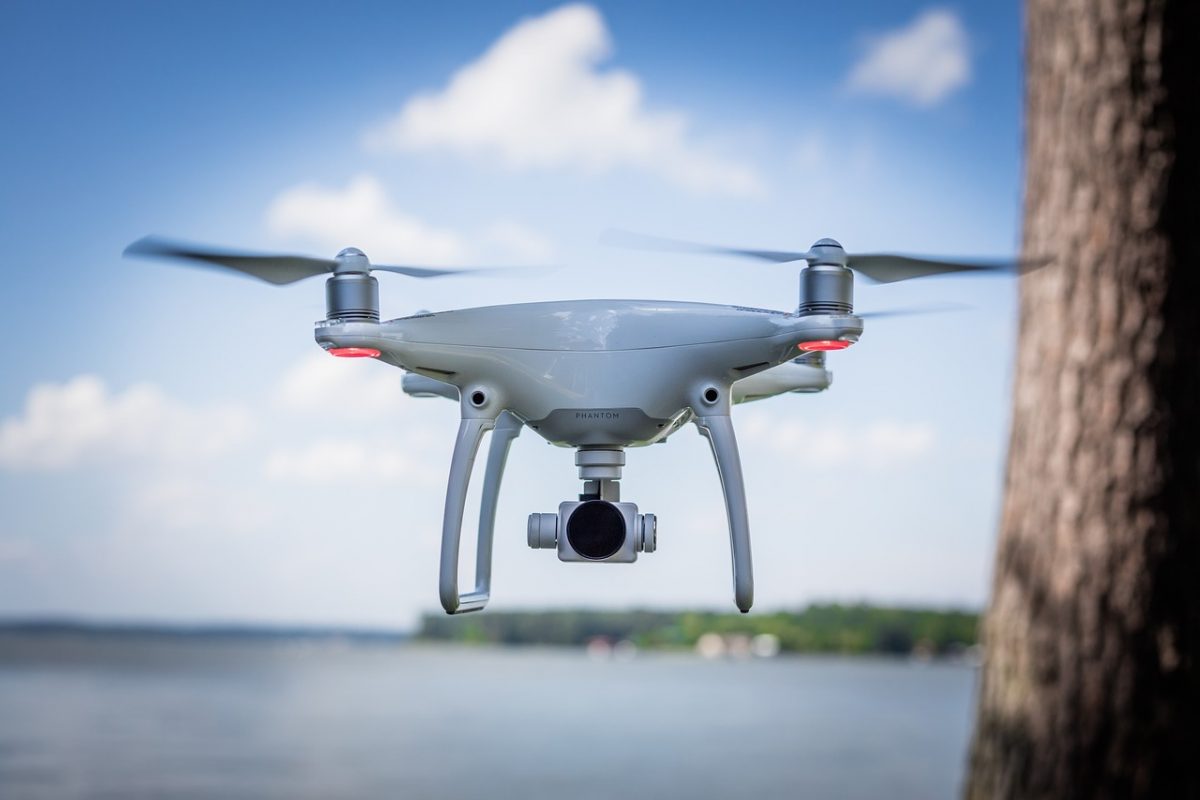
Visual inspections are required as part of most industries’ maintenance procedures. Using a drone to capture visual data on the state of an asset can assist inspectors in avoiding unsafe circumstances, lowering risk, and drastically lowering cost.

High-resolution Video Checks

Drones have several other advantages such as high-resolution video checks. This allows for more efficient and cost-effective examination of difficult-to-reach places such as pipelines and structures, eliminating the need for costly approaches such as rope access and scaffolding. Captured high-quality images may be used to conduct extensive condition evaluations.

Thermal Imaging

Thermal imaging may also be performed by drones. Inspections may be done in a highly effective and timely manner using aircraft-mounted thermographic imaging technology. Potentially dangerous hot spots that might lead to unanticipated downtime and maintenance can be identified promptly.

Photogrammetry

Another approach utilized by drones for inspection is photogrammetry, which produces the most precise data for 3D modeling and dimensional mapping for volumetric calculations. This significantly improves comprehension of an asset’s status to aid decision-making.

Fields of Application

Offshore projects are generally viewed as severe and demanding, and it is critical to limit errors and loss of production at both the installation and the inspection equipment to a minimum. For instance, a flare inspection on an oil-and-gas platform where the flare is still operational. The drones can here capture image- or thermographic data about the flare’s status while production continues unimpeded.

Drone inspection may also be used for onshore structures such as bridges on land, linking islands, or crossing divides in a landscape. Also for inspection of towering buildings such as wind turbines, where the drone obtains high-resolution photographs of potential flaws, allowing for detailed planning of repair work as the data obtained will assist avoid unpleasant surprises during the maintenance period.

Drone inspection is also useful in confined locations such as power plant boilers, fuel storage tanks, and so on. Visual inspections are desirable, but there are significant problems when deploying drones in limited locations. Drones, on the other hand, can provide good picture quality with real, natural colors by employing strong LED lighting.

Every day, workers all across the world evaluate dangerous interior places. Drones can thus undertake surveys of difficult inside settings more securely, economically, and effectively than human inspectors; thus, the time has come to transition to drones for internal inspection.

We have solutions for drone inspection that can be used in sectors like Renewable energy, the Oil and Gas Industry, Cement Industry, Mining Industry, and other traditional manufacturing industries.

For additional information on such solutions and emerging use cases in other areas, as well as cooperation and partnership opportunities, please contact us at open-innovator@quotients.com

Categories
Applied Innovation

How AI can impact Maritime Logistics?

Categories
Applied Innovation

How AI can impact Maritime Logistics?

Investing in communication technologies has provided several benefits for shipping firms. Most ships have grown into remote offices at sea, providing the captain and crew with dependable Internet connectivity, virtual networks, email, route planners, and a variety of other technologies and applications. Further investing in innovative technologies can enhance regular vessel operations while also lowering corporate expenses and optimizing business processes.

Machine Learning enables users to use sophisticated algorithms and analyze data, which aids in guiding the logic of potential issues in marine transportation. These approaches may be used for maritime network design, trip planning, cargo optimization, maintenance processes, and other areas.

Machine learning, a branch of Artificial Intelligence, relies on working with small to large datasets by examining and comparing the data to find common patterns and explore nuances. It enables the use of intelligent algorithms and the evaluation of data, which aids in guiding the logic of potential issues in marine transport. These algorithms may be applied to maritime network design, trip planning, cargo optimization, and other applications.

The intelligence of ML algorithms, combined with industry knowledge, has the potential to provide a significant advantage to shipping companies that first adopt them in their operations. The bigger the investment in AI/ML, the more advantage from their big data analysis capabilities as ML algorithms can handle data from the whole history of a vessel’s operation.

Advanced Machine Learning algorithms will be capable of enhancing trip optimization, such as fuel economy, crew performance, voyage cost estimates, calculating the ideal route in a minute, and providing advice on speed, course, and so on. ML algorithms, for example, may be used to estimate fuel usage based on engine data and vessel parameters. These algorithms enable the transformation of massive amounts of noisy sensor data and other onshore data into organized information that may be used to anticipate fuel usage and map ideal paths for boats.

As data is a critical component for removing uncertainty, adopting ML algorithms can assist to boost the usual data that might be critical for shipowners. Data mining in the marine industry has been quite restricted thus far. As a result, as compared to other industries, the deployment of ML approaches in marine transport is restricted. Taking this into consideration, our innovators have created solutions incorporating edge platforms, machine learning models, onboard sensors, and application software. We have solutions for Predictive Scheduling, Container Positioning Organization, Voyage Planning and Route Forecasting, Fuel Consumption Optimization, and Predictive Maintenance.

We would be pleased to hear from you and would want to discuss potential partnership opportunities. Please write to us at open-innovator@quotients.com


Categories
Applied Innovation Industry 4.0

How Microfactories will transform Manufacturing?

Categories
Applied Innovation Industry 4.0

How Microfactories will transform Manufacturing?

A microfactory is a small-to-medium-sized, highly automated, technologically advanced manufacturing setup with a diverse set of process capabilities. It is often a production facility, the output of which may be scaled up by reproducing such setups in huge numbers. Because of the high-tech automated operations, microfactories use less energy, less material, and a smaller workforce. The microfactory idea also encourages the shrinking of manufacturing equipment and systems based on product dimensions. This helps to reduce the size of the plant, which requires less capital and decreases operational expenditures.

As micro-factories proliferate over the world, they will establish a uniform style of working and running, resulting in global production unity. On Similar lines to Cloud computing, Cloud manufacturing, a new production idea that converts traditional manufacturing resources into services and makes them available via the Internet by utilizing cloud computing, the Internet of Things (IoT), and virtualization is emerging. As companies like AWS offer standardized platforms on which a wide range of services and applications run, cloud manufacturing in the near future will have corporations supplying standardized micro-factories that handle the majority of contemporary industrial output.

Manufacturing as a Service (MaaS)

Cloud Manufacturing also referred to as MaaS or Distributed Production is one of the most significant opportunities made available by widespread company digitalization. It enables organizations to focus on product innovation while outsourcing the actual process, as well as crucial services and technology, to an outside party by using new technologies and linked services to improve production efficiency and business leanness.

Manufacturing as a service is the production of commodities using a networked manufacturing infrastructure. To put it another way, manufacturers utilize the internet to share production equipment in order to cut costs and produce better goods.

Just as cloud computing allows for instant access to pooled computer resources such as software, hardware, and data, similarly MaaS is driven by Cloud networked manufacturing. The cost of manufacturing infrastructure—machines, maintenance, software, networking, and other costs—is shared by all consumers. For starters, this results in cheaper production costs, more uptime for each machine, and increased manufacturing capacity for each organization.

These MaaS platforms are rapidly gaining traction in key industries such as automotive, aerospace, health care, and military. Major industrial enterprises have begun to use these platforms as well.

Our innovators have developed a new business model around MaaS that is expected to have a deep effect on the global manufacturing sector. We offer manufacturing services with complete visibility with significant lead time and capacity that is available for both startups and industries. CCTV camera-based machine vision capabilities assist in visualizing production processes digital twin and automate production data capture, monitoring, and analysis.

We would be delighted to hear from you and would like to discuss the opportunities for collaboration. Please write to us at open-innovator@quotients.com

Categories
Applied Innovation

Robotic & Autonomous Systems for Homeland Security

Categories
Applied Innovation

Robotic & Autonomous Systems for Homeland Security

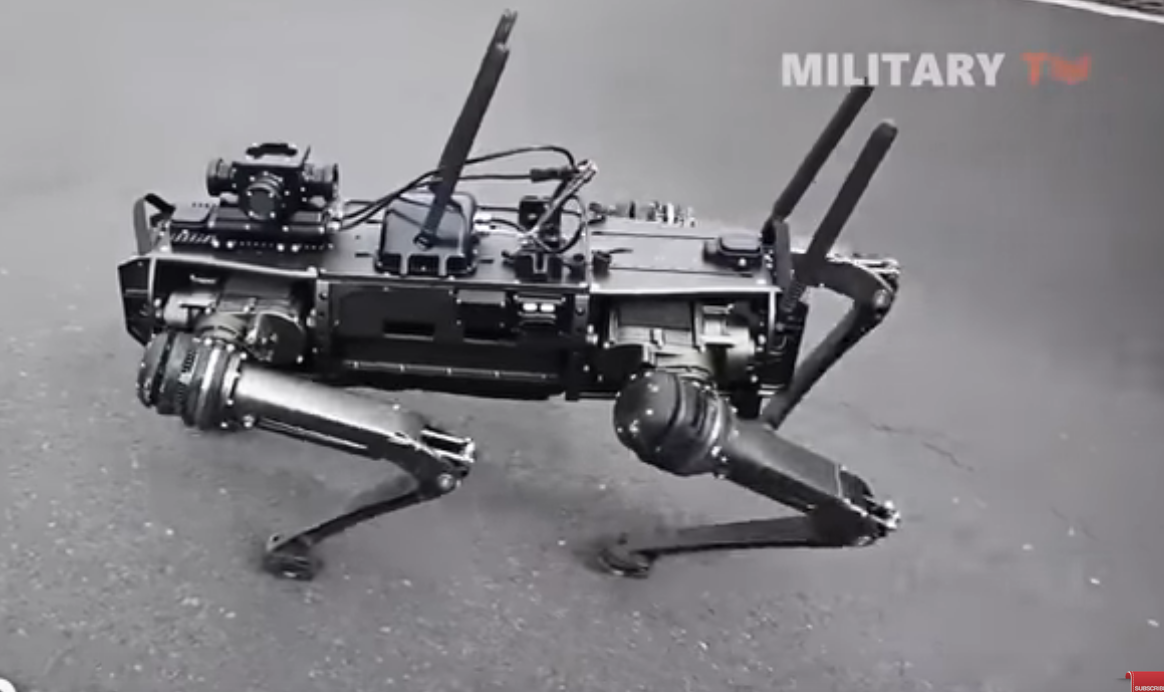
Robotic advancements are anticipated to continue to revolutionize military equipment and tactics, and robotic systems for troops are becoming a reality. Concepts such as using these robots for border monitoring are also being investigated, with the devices being able to roam freely or be directed remotely, delivering live video feeds to controllers.

Soldiers are increasingly relying on technology such as robots to save lives. Military robotic (unmanned) devices have revolutionized the battlefield. Many countries’ military arsenals now include unmanned systems, which are utilized on land, at sea, and in the air. They are frequently utilized for reconnaissance and striking missions in high-risk situations.

Off-road, robotic, and autonomous solutions are available from Robotic & Autonomous Systems for military (land warfare), paramilitary, national security forces, and commercial markets. Some alternatives are being considered to improve the maneuverability, survivability, and lethality of the force.

Multi-Purpose Combat Vehicle (MPCV)

The Multi-Purpose Combat Vehicle (MPCV) is a ground-based defense vehicle with a short range. It can automatically execute a variety of actions on the battlefield without the need for human help or involvement, lowering the danger to soldiers and improving their capabilities on the ground. It can be utilized by homeland security units during riots, as well as by police units in high-threat and counter-terrorist urban environments.

It is employed for unmanned and autonomous day and night surveillance, weapons mounting, situational awareness, casualty evacuation, and carrying and delivery of operational cargo in deserts, plains, and high altitude/mountain terrain.

High-payload Autonomous Robot

High payload autonomous robot capable of transporting payloads over long distances. It has a high level of autonomy and can handle weapon mount logistical transportation, medic support, and other combat field needs. It can travel in swarms and has automated person/leader tracking and auto-target lock functions to save troops time and resources on the battlefield.

Autonomous Monitoring Robots

An autonomous surveillance and reconnaissance robot may move about independently and offer real-time tactical intelligence to the operator based on real-time video analytics data and sensor data. It has encrypted communication, a laser designator, and an optional gun mount for remote action.

Terrain Rovers

A terrain robot can be utilized in difficult, risky, and demanding applications such as IED disposal, demining remote surveillance, and reconnaissance on rocky terrain, steep slopes, and shallow seas. It can normally carry up to 500 kg of cargo and has a 45-degree climbing capability, a 2-kilometer remote range, and an 8-hour run duration. It may be employed for mission-specific activities in remote-controlled and autonomous modes.

System of Autonomous Weapons

A cutting-edge autonomous weapon station can track more than 20 targets at once and lock on to any target within a second for fire. Homeland security units and other mounting stations may utilize it to deliver a fully situational aware defender system that uses deep learning to identify and kill threats in seconds. The weapon station can rotate 360 degrees and tilt 180 degrees at the same time, and it can also carry barrel launchers.

Protective Vision Devices

360-degree situational awareness is provided by an armor vision system that delivers information about the objects and persons in the armored vehicle’s vicinity and tracks them in real-time. It may be utilized by the army, homeland security, and police forces in high-threat and counter-terrorism scenarios in urban environments. The device is a mix of a high-precision optic system – thermal cameras and RADARs installed precisely – and a parallel computer architecture that allows the system to locate – track – and alert the user to any situational hazard.

System for determining gunshot direction

State-of-the-art gunshot direction finding technology capable of pinpointing the position of the sound source with extraordinary precision of 5 degrees and distance of a range of 1500 meters. At a refresh rate of 1000 Hz, the system uses advanced digital data processing and basic physics to determine the direction and distance of the gunshot from the sensor. The total system consumes less than 50W of electricity, can be placed on small, medium, or big vehicles, and can be set up in less than 5 minutes. The device can distinguish between different gunshots and may be programmed to watch only specified gunshots or frequencies.

We have such high-performance systems available for use in homeland security. Some of our clients have already successfully used our robotic systems. We would be delighted to hear from you and would like to discuss the opportunities for collaboration. Please write to us at open-innovator@quotients.com

Categories
Applied Innovation

Green Propulsion Systems for Satellite

Categories
Applied Innovation

Green Propulsion Systems for Satellite

A satellite or spacecraft in orbit around the Earth or going through the solar system is subjected to extremely modest forces. As a result, many satellite propulsion systems require extremely precise impulses to correctly regulate the location or altitude of these objects.

Propellant


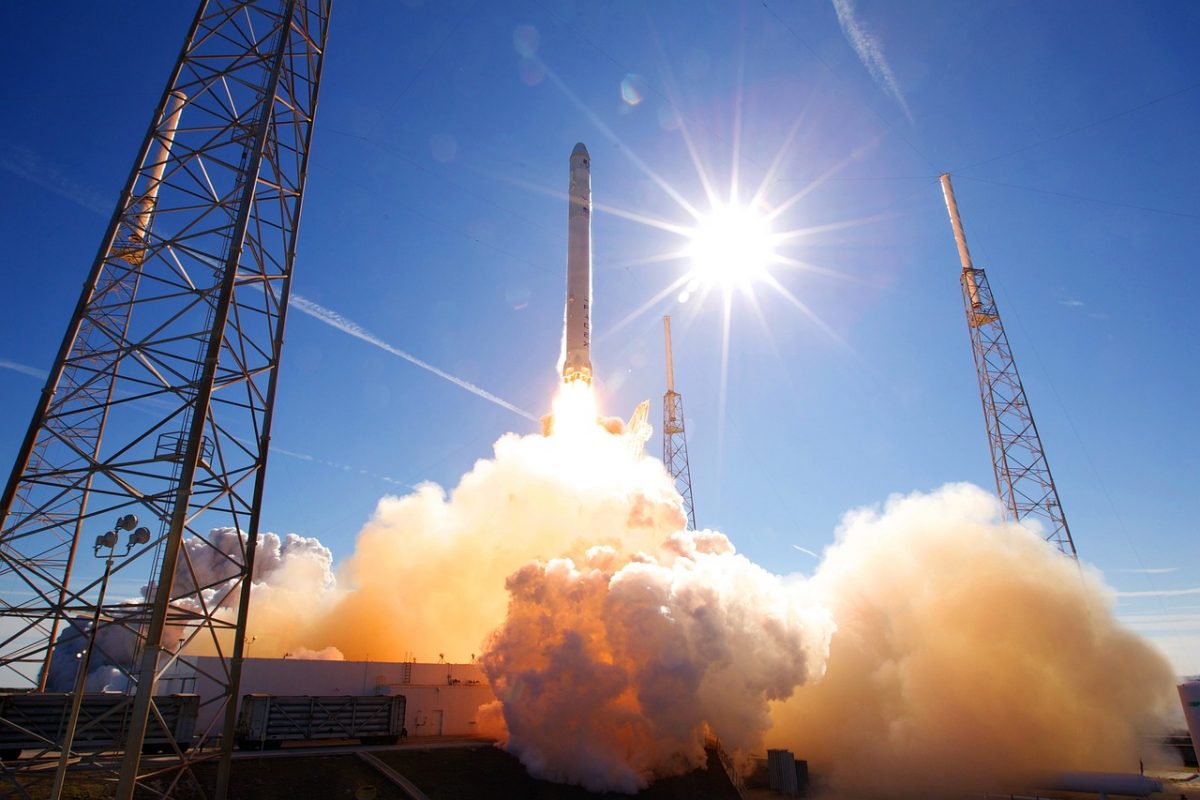
The propellant is a substance that spews from the back of the spaceship, providing propulsion, or a push forward to the spacecraft. The propellant is a type of fuel that is burnt with an oxidizer to create massive amounts of very hot gas. These gases expand until they rush out of the rocket’s rear, creating thrust. Because there is usually no actual opportunity to maintain these devices during their entire lifespan, reliability is critical. High performance is also required as better fuel systems give additional on-orbit lifespan.

Chemical Propulsion Systems


For these applications, chemical propulsion systems using monopropellant (single fluid) or bipropellant (two fluid) liquid rockets have been deployed. Conventionally, hydrazine-based fuels are utilized in the space shuttle and as a backup power supply. In the presence of a catalyst and heat, hydrazine separates and expands, producing the thrust required to move the satellite. Satellite propulsion is regulated by regulating the flow of hydrazine using valves. However, it is deemed harmful to humans who are in its vicinity. It is exceedingly poisonous, corrosive, and likely carcinogenic, in addition to being highly and quickly flammable. As a result, the fuel is accountable for the environmental consequences connected with its transportation, storage, and handling.

High hydrazine levels can cause a variety of health issues, including liver, kidney, and central nervous system damage. If hydrazine leaks while a satellite is still on the ground, the volatile and explosive characteristics of the substance might pose a public safety risk. Preparing a hydrazine-fueled satellite for orbit is a dangerous process that necessitates particular measures for everyone involved, such as space suit-like attire that ensures that if something goes wrong, the personnel handling the fuel do not breathe in the gas itself.

Green Propulsion System

More missions require propulsion as the industry expands, and new systems must be envisioned, designed, tested, and flight-proven. One such system employs green hydrogen peroxide (H2O2) propulsion for small satellites with a one-of-a-kind design. Reactive H2O2 vapor is vacuum-evaporated off the surface of the stored liquid in the thruster. The vapor then travels to a catalyst bed, where the hydrogen peroxide is quickly decomposed. The ensuing exhaust gases provide propulsion, which propels the spaceship forward.

One of our partners is working on building an agile, safe, affordable, and efficient Green Propulsion System with a novel fuel, engine, and engine catalyst to minimize satellite collisions in orbit and reduce debris pollution. The ability of satellites and other spacecraft to refuel, repair, or even add new capabilities while in orbit Their scientists are also working on extending the lifetime of these satellites with a bit of cooperation, and considering the expenses involved in lofting a new one.

Please write to us at open-innovator@quotients.com to know more about such innovative solutions and partnership opportunities.

Categories
Applied Innovation

IoT and AI solutions Build a Comprehensive Ecosystem for Smart Cities

Categories
Applied Innovation

IoT and AI solutions Build a Comprehensive Ecosystem for Smart Cities

More than half of the world’s population already lives in cities. According to projections, that figure will rise to two-thirds by 2050. This enormous change is ultimately due to the numerous options people have in cities to construct their own lives. Rising urbanization, however, brings new challenges: as cities expand, people’s wants and aspirations must be satisfied in environmentally friendly ways. This has resulted in the idea of a smart city that can address all of the aforementioned concerns.

A smart city uses information and communication technology (ICT) to increase operational efficiency, communicate information with the public, and improve the quality of government services and citizen welfare. Its principal objective is to use innovative technology and data analysis to optimize city activities and boost economic growth while increasing people’s quality of life. The value of technology is determined by how it is applied rather than how much technology is accessible.

The Elements of a Smart City

Meeting Energy Needs

Energy is one of the requirements for a well-functioning smart city. If a city does not have enough energy to sustain information and communication technology, its smart initiatives may collapse completely. Autonomous energy monitoring and maintenance technologies may be utilized to boost efficiency and provide critical functionality. Power generation and resource conservation must be optimized, while 5G may continually increase the efficacy of energy delivery. On the level of end users, autonomous energy monitors can assist them to reduce their energy requirements, easing the strain on the grid. Energy-dependent technologies can help a city meet its sustainability goals by lowering its energy demand.

Smart Transportation

Transportation has typically been one of the first arenas of smart innovation in cities throughout the world. An important public service needs careful reorganization based on massive volumes of data. Smart technologies like CAD/AVL can supply the required real-time data and act as the foundation for development.

On-demand services like ride-sharing are becoming increasingly popular as part of a global movement to improve the way public transportation provides value to users. Micro mobility is also becoming an important component of the mix, bridging first-mile/last-mile coverage gaps. Finally, although challenging to develop and sustain, MaaS pilots are expanding our understanding of how to integrate a city’s transportation system.

Reorganizing critical services

Many important city services, from water mains to toll systems, require reform. Cities may remodel their systems to enhance efficiency, preserve resources, and modify pricing as needed with the aid of next-generation sensors that feed real-time data into predictive algorithms.

Buildings and roadways must often be adapted to fulfill the demands of a smart ecosystem. Smart regulations for new buildings, on the other hand, may help us rebuild our cities over time.

Creating Communities

Finally, in a smart city, we must consider how inhabitants will engage with the technologies – and with one another. Harnessing the potential of citizen interaction is a critical component of the change. This may be accomplished through digital citizenship platforms, which not only serve as a point of meaningful interaction but also bring individuals together based on their interests, objectives, and engagement in the life of the city. Aside from polling people on specific concerns and providing a venue for feedback, city administration may encourage various behaviors connected to the betterment of urban environments and the creation of distinct communities. As a result, a more informed society will make better decisions, assuming personal responsibility for the community’s well-being.

Using Data to Advantage

The continuing smart revolution has taught us that no data is definitive – cities are continuously changing, and what is true now may not be true tomorrow. Cities must learn to be adaptable and to move fast when evidence indicates a need for change. The necessity for adaptability will become even more apparent in light of the impending climate catastrophe. Because resilience is founded on information, it is critical to pay attention to the changing requirements of cities and learn from the experiences of others.

Four Stages in Smart Cities

  • Data collection – Smart sensors placed across the city collect data in real-time.
  • Analysis: Data acquired by smart sensors is analyzed in order to get valuable insights.
  • Communication – The insights discovered during the analytical phase are shared with decision-makers via robust communication networks.
  • Action on Insights Generated – Cities employ data insights to develop solutions, enhance operations and asset management, and improve citizens’ quality of life.

Key technologies that make a smart city work

Internet of Things (IoT)

Cities are utilizing IoT, which allows them to gather data via sensors, connected devices, and intelligent networks, analyze the data, and gain important information in order to improve urban services, sustainability, safety, mobility, and transparency. IoT is primarily functioning in three sectors in cities: transportation and urban mobility, energy, and urban maintenance. It gives information about traffic and parking spots to individuals in order to simplify their movement and assist them to find a space to park their private vehicle. Cities save money on power costs and boost energy efficiency by linking street lights, for example, to an intelligent network that allows them to adapt their illumination to the demands of the time. It can also help to improve the situation of the city with comprehensive control of urban furniture and waste management.

Artificial Intelligence

Smart metering equipment for public gas, water, and electricity sources, as well as AI-enhanced monitoring devices, are examples of how AI is utilized in measurement and monitoring. One of the most essential advantages of this technology is its ability to do preventive maintenance. Municipalities can identify water leaks and prevent problems more immediately, allowing them to be resolved in less time. Another use of AI in smart cities is traffic control and enhancing citizen safety on the roadways. Furthermore, more and more AI-powered security cameras that go beyond video monitoring duties are being employed. They are cameras that can identify a vehicle’s license plate in order to restrict admission to the city and prohibit polluting vehicles from entering.

Geospatial Technology

Geospatial technology is used in smart cities to make urban environments more accessible and ecologically friendly, as well as to predict calamities that damage the ecosystem. This technology responds to residents’ requirements by providing solutions in transportation, power plants, water supply networks, civil protection, and public centers, among other areas. Geospatial information management and climate and environmental monitoring in cities increase environmental detection, prevention, response to climate disasters and extreme natural occurrences, and decision-making. In this way, this technology helps public administrations make better judgments about environmental management in their cities, allowing them to construct towns that are more devoted to the natural environment.

Blockchain technology

Blockchain technology has arrived to alter the world, and towns all around the world are counting on it. The Blockchain would be the technology that would enable cities to tackle the major difficulties that they face today, including participation, transparency, sustainability, competitiveness, corruption, and fraud. The researchers feel that a secure, transparent, and unchangeable technology such as Blockchain is required for this. The technology can be used to improve urban services and government. These are services that include several procedures and necessitate a high frequency of records and documentation, thus openness and security are critical. It will also enable to create an impartial, accessible, and secure information base with Blockchain in order to combat corruption and develop the required openness in public administration.

We have solutions for the technologies needed to develop the smart city you envision. Using our solutions you can get a centralized control and administration system for all information and data that can be created. In this manner, you can foresee the future and plan what is required to establish a genuinely smart city. Please do not hesitate to contact us at open-innovator@quotients.com if you have any questions.


Categories
Applied Innovation Industry 4.0

Robots for Inspection and Maintenance Application

Categories
Applied Innovation Industry 4.0

Robots for Inspection and Maintenance Application

Inspection and maintenance duties are essential in many industrial sectors, such as damaged infrastructure, tunnels, refineries, and old buildings. Companies spend billions of dollars every year on inspections and maintenance.

Mobile Robots


Mobile robots enable the automation of processes such as inspecting and maintaining situations that pose a risk to workers. There are hazardous or difficult-to-access situations for people, such as nuclear power plants, the chemical industry, where poisonous compounds are handled, or sites where there is a risk of collapse, among others. Mobile robotics can assure operator safety and penetrate difficult-to-reach areas. They can also assist to reduce the cost of operations and mistakes caused by weariness or bad environmental conditions. This has led to an increase in the demand for AMR (Autonomous Mobile Robots) both for end users and for R&D projects in recent years.

Robotic Crawlers

Robotic Crawlers provide a simple and rapid restricted space inspection option as part of a routine maintenance and monitoring operation. These robots use a distinctive track design to get access to locations that are just unattainable with existing technology. Crawlers are useful for routine or emergency inspections at petrochemical plants, nuclear power plants, hydroelectric facilities, refineries, and other facilities. This durable inspection robot’s adaptability provides an all-in-one solution for small and medium-sized pipes, tanks, boreholes, or other restricted locations where a downhole camera is required. Anyone who has to undertake remote visual inspections in restricted locations with limited access should consider adding these robots to their NDT toolset. There are several setup choices available to discover how this works.

Climbing Robots


Climbers are portable, remote-controlled machines that can ascend practically any vertical or inverted surface. Because they are handled securely from the ground, people are not exposed to perilous heights or toxic environments. Climbing robots must be built based on the intended duties and application sector. These factors determine whether locomotion principles or adhesion systems are appropriate, as well as the size of the robot. Such devices can scale walls, tanks, ships, building structures, dams, and towers, among other things. There are several configurations available according to their work and application.

Underwater Robots


Underwater robots help with inspections, repairs, and upkeep. These autonomous robotic vehicles eliminate the requirement for manually controlled surface boats. They feature a narrow, flexible shape that allows them to traverse great distances and do light inspection, maintenance, and repair tasks underwater in limited locations. The robots which are outfitted with a variety of important sensors and equipment may be put on both current and new fields. They can be used for visual examination, cleaning, and operating valves and chokes, among other things. This system allows for significant savings in subsea inspection and intervention expenditures, as well as time spent on inspections, repairs, and maintenance.

Inspection and maintenance robots can find applications in industries such as Petrochemical, Oil & Gas, Nuclear, Mining, and in Municipal and Underwater applications. We have solutions for all the mentioned applications and more, to access more information on these solutions please write to us at open-innovator@quotients.com


Categories
Applied Innovation Industry 4.0

Self-driving Robots for Industrial Automation

Categories
Applied Innovation Industry 4.0

Self-driving Robots for Industrial Automation

Autonomous vehicles (AVs) have long caught the attention of futurists and technology enthusiasts, as indicated by constant research and development in autonomous vehicle technologies over the last two decades.

Rapid advancements in robotics, artificial intelligence, computer vision, and edge computing capabilities are culminating in robots that may be able to think, see, hear, and move. AVs in the form of self-driving vehicles have generated both enthusiasm and fierce rivalry among automakers and technology firms.

Self-driving vehicle prototypes outfitted with lidars, radars, cameras, and ultrasonic sensors — as well as hefty computational powers beneath the hood to detect and avoid obstacles — are becoming prevalent in many places. We are now on the verge of fast deployment of advanced autonomous vehicle technologies in industrial applications, and the convergence of the Internet of Things (IoT) and AV technologies is set to re-make and re-imagine industries.

Rapid automation in e-commerce distribution centers and industrial facilities has resulted in a vibrant subset of robotic logistics centered on supply chains and automated material transportation. A combination of variables, including but not limited to a spike in e-commerce, mass customization of items, technological improvements, and shifting economics in supply chains, has resulted in a surge in demand for automation in materials handling.

We offer some products based on the use of technologies such as computer software and robotics to control machinery and processes to perform specific functions. Some of these are described below that can be used to achieve digital factory goals in a time-bound manner.

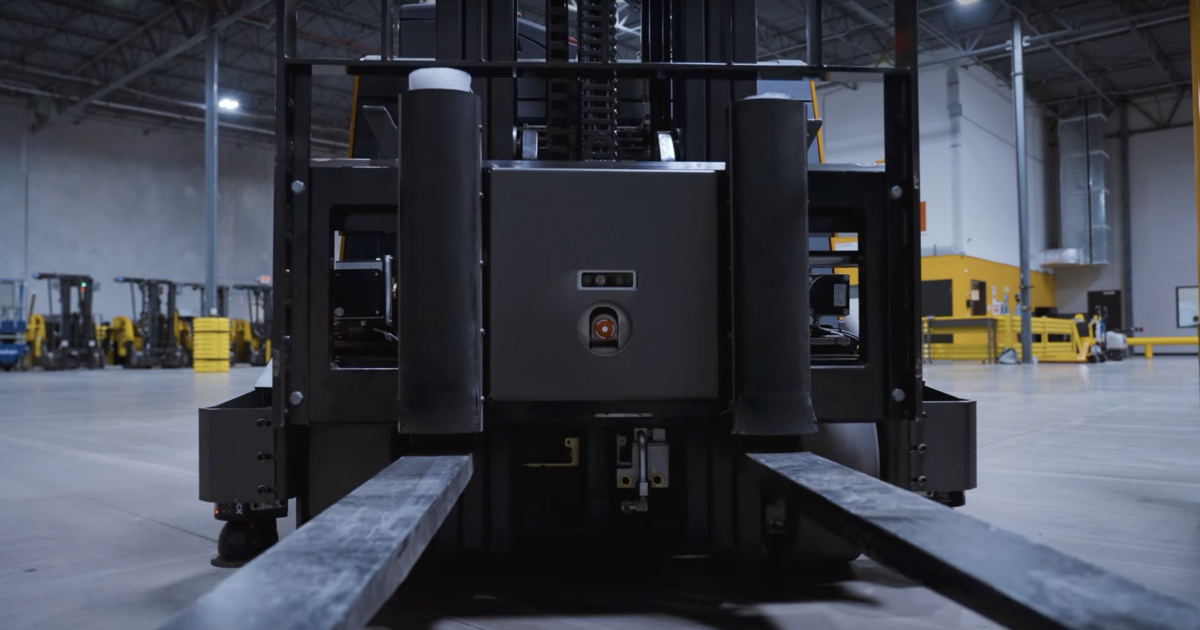
Autonomous Forklift: An autonomous forklift that is appropriate for material delivery applications in warehouses or manufacturing plants, as well as outdoors. It can move easily on asphalt, concrete, and cemented walkways.

It has a payload capacity of 2 Tonne/ 3 Tonne/ 5 Tonne for various circumstances and can lift goods up to a height of 3 Meter. It is a counterbalanced forklift that performs well on slopes and uneven floor surfaces.

Autonomous Pallet Transfer Robot: We also offer a self-driving industrial-grade pallet transfer robot capable of automatically carrying a payload of 1000 kg/2000 kg. It has dual 3D cameras located in the front and back. The back 3D camera aids with accurate pallet localization and a safe alignment technique for lifting pallets from the ground.

Autonomous Trolley Transporter Robot: With this, we also have an autonomous trolley transporter robot, an industrial-grade model designed for autonomous trolley transportation. It can move carts of various sizes and weights ranging from 100 kg to 2000 kg by attaching to them from beneath. It has 3D camera-based trolley localization and safely align technology, which allows it to accurately fasten the trolleys from beneath. The robot has a fully autonomous guiding system with dynamic obstacle avoidance.

To know more about these solutions and for product demo please write to us at open-innovator@quotients.com

Categories
Applied Innovation Industry 4.0

Robotic arms capable of perceiving, comprehending, and operating any item in any environment

Categories
Applied Innovation Industry 4.0

Robotic arms capable of perceiving, comprehending, and operating any item in any environment

For many established sectors, the previous several years have been transformative. The COVID inflection point has accelerated the trend of ICT adoption that had been steadily trickling into these traditional sectors.

Making Manufacturing Smarter

There have been a few tech adoptions in the industrial sector, but none have come close to the capabilities that deeptech (AI, IoT, and ML) has in making manufacturing smarter.

The most difficult problem in our market is to provide the best products and services at the lowest possible cost in the shortest amount of time. IoT and AI are opening up new options for the sector to improve service, reduce downtime, and raise efficiency while lowering production costs.

Manufacturers may access additional assets, acquire business insights from accurate data in real-time, and improve day-to-day operational efficiency and production performance using AI & IoT apps and sophisticated data analytics.

Robotic Innovations

Robotic innovations have had a favorable influence across fields, particularly in the industrial business. For years, industrial robots have played an important role in assisting manufacturing organizations in streamlining their workflow, closing skill gaps and addressing the labor issue, increasing production, and maintaining accuracy and consistency.

Visually Intelligent Robots

Enabling robots to conduct the Picking, Orienting, and Placing of goods directly from their containers has long been regarded as The Holy Grail of Robotics.

Visually Intelligent Robots can be the next big thing and may have a great impact on the manufacturing industry by simplifying automation. The robots now used in the manufacturing sector are unable to see and thus can not assist in Object Manipulation. AI/ML limited to just the color & depth of an object has been a challenging problem for this.

Visual Object Intelligence Platform

We have a solution for this: a visual object intelligence platform that allows industrial robotic arms to perceive, comprehend, and operate any item in unstructured surroundings.

We offer a system that adds the missing components of Visual Intelligence to Robotic Arms, allowing them to be Object aware and manage objects with more agility – adjusting to varied forms, orientations, and weights. 

This has the potential to reduce and standardize massive, bespoke production lines into LEGO blocks of micro-factories. Some of the tasks it can perform like Picking and Placing Untrained Objects from Any Untrained Picking and Placing a Variety of Objects Orientation.

Our robots can work on a wide range of items without any prior training thanks to the patented vision and intelligence layers. This serves as the foundation for universal object manipulation and, by extension, labor automation.

The platform is driven by modern technology and can distinguish between sight and vision. It enables robots with human-like eyesight and adaptability to grab even Mirror-Finished items without any pre-training (a feat that existing ML systems are incapable of accomplishing). It employs technologies such as Auto-Focus Liquid Lens Optics, Optical Convergence, Temporal Imaging, Hierarchical Depth Mapping, and Force-Correlated Visual Mapping for achieving this result.

These intelligent robots can grasp the aspects of an item and re-orient them based on their needs. The AI and Machine Learning algorithms assist robotic arms in processing tasks even in unstructured environments and aligning them in the best way feasible. These are also cost-effective and robust, and dependable.

The platform can find application in the manufacturing sector and may also assist warehouses, logistics, and industrial kitchens streamline duties. To know more about this solution and for product demo please write to us at open-innovator@quotients.com