






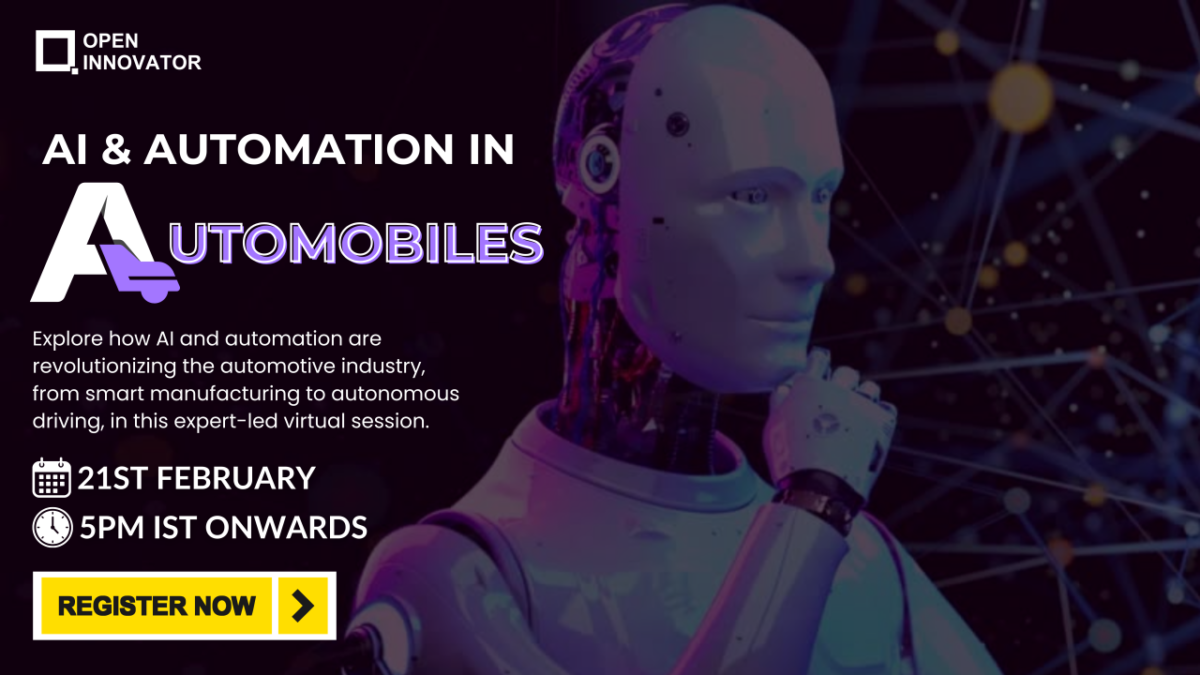
The OI Session on AI and Automation in Automobiles featured a dynamic discussion among industry experts about the transformative impact of AI and automation in the automotive sector. The session began with a welcoming environment and introductory remarks, transitioning into a structured panel that emphasized the need for responsible AI governance, particularly in the context of Advanced Driver-Assistance Systems (ADAS).
Experts explored the balance between innovation and safety, addressing challenges such as managing large volumes of data, navigating ethical dilemmas, and integrating AI within legacy systems. They also highlighted opportunities created by generative AI, such as improved vehicle maintenance and smarter design processes. The conversation touched upon regional differences in regulatory frameworks and cultural receptiveness to AI technologies, underscoring the importance of collaboration between startups and established industry players. Overall, the session depicted a rapidly evolving landscape that demands a nuanced and ethical approach to AI deployment in automotive applications.
Highlights from the Session
Kogo AI Platform
The discussion introduced Kogo AI, a comprehensive AI agent platform that empowers automotive enterprises to build, deploy, and manage AI solutions while ensuring data privacy through on-premise options. Its low-code, no-code design simplifies deployment of features like an advanced in-car voice assistant, which enhances driving experiences by offering navigation support, safety alerts, and personalized recommendations. The platform also streamlines pre-sales activities and dealership bookings to elevate customer engagement.
Appointment Booking Agent
A key segment showcased a new AI-powered appointment booking agent designed to automate dealership test drive scheduling and service appointments. This agent effectively reduces workloads on contact centers by managing customer inquiries, arranging visits for specific vehicle models, and providing real-time updates. The discussion also highlighted an industrial automation project that enabled communication between legacy machines, which received international recognition.
AI and IoT in Manufacturing
Speakers discussed advancements in embedding AI agents within machines to boost manufacturing efficiency, including autonomous code generation for seamless machine-to-machine communication. Notable use cases included predictive maintenance solutions developed for military tanks and the integration of IoT tools to provide service engineers with actionable insights. “Things Alive,” an organization specializing in connected vehicle solutions, shared its work on vehicle diagnostics and operational intelligence.
On-Board Diagnostics (OBD) Solutions
The session also covered challenges in servicing agricultural and industrial equipment and introduced an On-Board Diagnostics (OBD) device. This device interfaces with Electronic Control Units (ECUs) to quickly identify and address issues, significantly reducing diagnostic time. The solution, deployed in hundreds of vehicles across India, demonstrates the potential of AI and IoT tools to enhance efficiency in various automotive segments, including electric and agricultural vehicles.
Smarter Diagnostics and Future Outlook
Later discussions highlighted the role of AI in smarter diagnostics, real-time data integration, and improved fleet management. Presenters emphasized opportunities to merge solutions for a fully integrated vehicle ecosystem, touching on future features like hands-free vehicle functionalities. Collaboration with industry leaders like Qualcomm and Map My India for connected services and geo-intelligence was also noted as key to creating seamless user experiences across dealerships and OEM networks.
Two-Wheeler and Electric Vehicle Segments
The discussion concluded with a focus on AI and automation applications in two-wheelers and electric vehicles, including significant new orders for electric buses. Panelists praised the collaborative approach between startups and enterprises, reflecting optimism about scaling AI-driven innovations across diverse mobility platforms.
Conclusion
This OI Session offered rich insights into how AI and automation are reshaping the automotive landscape—from advanced in-car assistants and dealership automation to predictive maintenance and connected IoT systems. By addressing both challenges and opportunities, the session emphasized the importance of ethical AI development and cross-industry collaboration to build the future of smart, responsible mobility