



Categories
Success Stories

Caterpillar’s Prospects for Artificial Intelligence (AI): A Case Study

Categories
Success Stories

Caterpillar’s Prospects for Artificial Intelligence (AI): A Case Study

As a world leader in mining and construction equipment, Caterpillar Inc. has a long history of developing cutting-edge technology that increase efficiency, production, and safety. The first two prototype Cat® 777C autonomous mining trucks were used at a limestone quarry in Texas more than thirty years ago, demonstrating Caterpillar’s inventiveness. Caterpillar’s continued leadership in autonomous fleet solutions was made possible by this early demonstration, which showed that autonomous operations could greatly improve safety and productivity. In this case study, we examine how Caterpillar has used artificial intelligence (AI) to revolutionize company operations, spur innovation, and provide consumers with better results.

AI at Caterpillar

By combining cutting-edge software with cloud computing, Caterpillar has transformed the way its engineers operate and significantly cut down on the amount of time needed to do challenging jobs. The company’s aggressive pursuit of AI to improve business outcomes demonstrates its dedication to technical innovation.

From product development and production to customer service and field operations, Caterpillar hopes to improve several facets of its business by utilizing AI. This transition is made possible by AI technologies like machine learning, deep learning, and generative AI (GenAI), which allow Caterpillar to process enormous volumes of data, mimic human cognitive processes, and make defensible judgments based on real-time insights.

Machine Learning and Beyond

A form of artificial intelligence called machine learning allows computers to learn from experience and make judgments or predictions just from data. Condition Monitoring at Caterpillar makes considerable use of machine learning. With the use of this technology package, Cat dealers may spot any problems with their equipment, suggest prompt maintenance or repair, and save expensive downtime. Caterpillar can ensure maximum performance and dependability by proactively addressing issues before they worsen by collecting data from the machines themselves.

The Condition Monitoring system, for example, gathers information on a number of variables, including vibration levels, oil pressure, and engine temperature. After then, machine learning algorithms examine this data to find trends and abnormalities that could point to a possible problem. By anticipating when a component is likely to fail and recommending preventative maintenance, the system lowers the chance of unplanned malfunctions and increases the equipment’s lifespan.

Generative AI

Another branch of artificial intelligence called generative AI may produce original text, pictures, and videos. For Caterpillar, this technology is a huge step forward since it enables computers to perform tedious and repetitive activities that would normally need human assistance. For instance, GenAI is used by Caterpillar engineers to swiftly retrieve useful answers from large volumes of proprietary data without requiring laborious manual searches.

The use of GenAI in the context of Condition Monitoring Advisors (CMAs) at Caterpillar is one noteworthy example. By examining incoming data, CMAs keep an eye on the condition of Cat-connected assets in the field. In the past, CMAs were required to do thorough studies, pull data from various systems, and provide suggestions to customers. CMAs now receive brief reports with automatically created and summarized data and a suggestion thanks to GenAI. The report can be reviewed by the CMA, who can then accept the recommendation and make any required changes. The time needed to prepare and provide suggestions is greatly decreased by this simplified procedure, improving accuracy and efficiency.

New Opportunities with AI

For Caterpillar, the use of AI technologies has created a lot of new options. “AI will revolutionize the way we interact with machines and design interfaces between systems,” says Jamie Engstrom, senior vice president of IT and chief information officer. It is both intriguing and rapidly evolving. Through programs like the Intelligent Automation Center of Excellence and a GenAI community of practice, where staff members may engage in AI use cases and remain up to date on the most recent advancements, Caterpillar is committed to fostering a secure environment for innovation.

The organization’s central location for investigating and putting AI-driven ideas into practice is the Intelligent Automation Center of Excellence. It brings together professionals from different fields to work together on projects that use AI to solve challenging issues, enhance workflows, and spur creativity. In contrast, Caterpillar stays at the vanguard of AI developments because to the GenAI community of practice, which encourages knowledge exchange and ongoing learning among staff members.

AI-Powered Solutions for Customers

Beyond its internal processes, Caterpillar uses AI to provide solutions that are centered on the needs of its customers. For example, in order to improve customer satisfaction and provide more value, the firm has incorporated AI into its product offerings. Using AI-powered diagnostics in Cat equipment is one such approach. These diagnostics systems employ machine learning algorithms to continuously assess the equipment’s condition and give operators useful information to maximize efficiency and avert any problems.

Customers may also remotely check the condition of their equipment with Caterpillar’s AI-powered Condition Monitoring system. Through the use of artificial intelligence (AI), the system gathers data from sensors built into the machinery and analyzes it to give clients up-to-date information on performance metrics, maintenance requirements, and equipment health. Customers benefit from this proactive strategy by minimizing downtime, lowering maintenance expenses, and increasing overall operational efficiency.

Transforming the Manufacturing Process

AI is also transforming Caterpillar’s manufacturing process, making it more efficient and agile. By integrating AI into production lines, Caterpillar can optimize workflows, reduce waste, and improve product quality. For example, AI-powered predictive maintenance systems monitor the condition of manufacturing equipment, predicting when maintenance is needed to prevent breakdowns and ensure smooth operations.

Furthermore, AI-driven quality control systems use computer vision and machine learning to inspect products for defects. These systems can identify imperfections with greater accuracy and speed compared to traditional manual inspections, ensuring that only high-quality products reach the market. This not only enhances customer satisfaction but also reduces the cost associated with rework and returns.

Enhancing Safety with AI

At Caterpillar, safety comes first, and artificial intelligence is essential to improving worker safety. AI-powered safety systems keep an eye on the workplace and spot any risks by using real-time data from cameras and sensors. AI systems, for instance, may examine video footage to identify risky activities like employees accessing prohibited areas or failing to wear safety gear. The system may notify managers of any safety concerns and take appropriate action to avert mishaps.

AI-enabled autonomous vehicles in mining operations are capable of navigating challenging terrain and carrying out duties without the need for human involvement. These cars can make judgments in real time by processing data from sensors, cameras, and GPS systems using AI algorithms. Autonomous vehicles retain high production levels while greatly improving safety by eliminating the requirement for human presence in dangerous locations.

AI and Sustainability

AI is a crucial component in enabling Caterpillar’s aim to create a more sustainable future. AI assists Caterpillar in lowering its environmental impact and advancing sustainable practices by streamlining processes and increasing productivity. AI-powered energy management systems, for example, may track and regulate energy use in factories, finding ways to cut back on consumption and greenhouse gas emissions.

Additionally, AI-driven predictive maintenance prolongs equipment lifespan and minimizes waste by reducing the need for frequent part replacements and repairs. AI also contributes to lower fuel consumption and emissions in mining and construction activities by guaranteeing that machinery runs as efficiently as possible.

The Future of AI at Caterpillar

With its constant dedication to AI and digital innovation, Caterpillar is well-positioned to maintain its position as the industry leader in the adoption of cutting-edge technology. Caterpillar aims to fully utilize AI to revolutionize its company and provide clients with better results by emphasizing customer-centric solutions and continuous development.

Source: Embracing AI in Construction Technology | Cat | Caterpillar

Categories
Success Stories

How Nike is leveraging technology to solve critical challenges and maintain leadership

Categories
Success Stories

How Nike is leveraging technology to solve critical challenges and maintain leadership

Nike, a world leader in sportswear and footwear, has led the way in incorporating state-of-the-art artificial intelligence (AI) technology into its products and customer service. Nike has updated its product offerings and its user interactions by integrating augmented reality (AR), data analytics, machine learning, and artificial intelligence (AI). Finding the Correct Fit and Using Data Mining to Customize the Customer Experience are two prominent use cases in this journey. These two developments show how Nike is using technology to address important problems, increase consumer happiness, and hold onto its market-leading position in the fiercely competitive sportswear industry.

Using AI to Solve the Sizing Issue

When purchasing shoes, one of the most frequent annoyances for buyers is determining the appropriate size. According to surveys, up to 60% of individuals may be wearing poorly fitting shoes, which can cause pain and increase the likelihood of returns. This size problem offered Nike a chance to leverage technology to improve consumer experience and lower return rate.

The Nike Fit Tool: A Game Changer for Sizing Accuracy

The Nike Fit tool, which is included into the Nike app, is Nike’s answer to the size issue. This cutting-edge function gives clients more precise shoe size suggestions by combining a number of cutting-edge technology.

The Nike Fit tool uses:

Computer Vision: Nike Fit gathers multiple visual data points from smartphone cameras to determine the size and form of a customer’s foot. This enables the app to measure the proportions of the foot in real time and provide an accurate shoe size suggestion.

Machine Learning: The program gradually enhances its size recommendations by continually learning from user preferences and input. With each usage, the Nike Fit algorithm becomes more intelligent and precise thanks to machine learning.

Artificial intelligence and data science: The technology uses enormous volumes of data to cross-check measurements and offer tailored suggestions based on variables like preferred shoe fit, arch shape, and foot breadth.


Recommender Models: Nike Fit uses AI-based recommender models to make sure consumers get the best product suggestions based on their profiles and previous purchases.


Augmented Reality (AR): To improve the virtual buying experience and add an entertaining, interactive aspect, Nike Fit employs AR in addition to the conventional sizing method to picture how shoes would fit on the customer’s feet.

How Nike Fit Works: The Technology Behind the Scenes

Nike Fit uses a variety of cutting-edge technologies to make sure that customers can discover the ideal shoe fit both in-person and online. The first step is scanning technology, which does away with the need for conventional measuring instruments by using the smartphone’s camera to swiftly and effectively acquire accurate foot measurements and generate a digital profile. Users may retrieve their foot information for next purchases by using the Nike app, which stores the obtained data. In order to improve the whole shopping experience, Nike has also introduced portable devices in retail locations that use the same scanning technology. These devices allow sales representatives to instantly provide clients with correct sizing.

Customizing the Customer Experience Through Data Mining

Nike has made significant investments in data mining and AI-driven insights in addition to the Nike Fit tool in order to further customize and improve the consumer experience. Nike is able to develop highly customized shopping experiences that improve consumer engagement, sales, and operational efficiency by utilizing a range of data sources.

Data Sources: Supporting Nike’s AI Approach

Through the collection and analysis of enormous volumes of data from a variety of sources, Nike is able to forecast customer behavior, maximize inventory, and provide tailored suggestions.

Among the important data sources are:

• App Ecosystem: One of the main sources of consumer data is the Nike app, which offers details on past purchases, preferred products, and engagement trends.
• Enterprise Data: To develop more specialized tactics across several touchpoints, internal data from numerous corporate operations, including marketing, sales, and customer support, is utilized.
• Supply Chain Data: Nike use artificial intelligence (AI) to evaluate supply chain data in order to forecast demand and guarantee that the appropriate items are accessible at the appropriate times in the appropriate locations.

Utilizing this data has been made possible in large part by Nike’s Consumer Direct Offense strategy, which places a high priority on direct-to-consumer (DTC) sales. Nike may obtain comprehensive information that aid in improving its product offerings and marketing initiatives by interacting with customers directly.

Key Acquisitions to Strengthen AI Capabilities

Nike’s aggressive push to enhance its data capabilities is evident in its strategic acquisitions of several AI-driven firms:

1. Invertex (2018): Nike improved their shoe-sizing technology with the assistance of this Israeli computer vision startup, which subsequently served as the basis for Nike Fit.

2. Zodiac (2018): A consumer data analytics company that gives Nike in-depth knowledge of consumer behavior so the company can develop highly focused advertising campaigns and suggest products.

3. Select (2019): By more precisely predicting consumer demand, this demand-sensing and predictive analytics company assists Nike in optimizing inventory levels. This lowers the possibility of stockouts and helps Nike cut down on surplus inventory.


4. Datalogue: A machine learning business that specializes in gleaning insights from complicated, unstructured information in real time. Nike uses these information to boost customer service and supply chain efficiency.

Implementations and Benefits of Data-Driven Personalization

Nike has created a number of AI-powered solutions that greatly customize the consumer journey by utilizing the power of data. Data science teams are now more closely integrated with product design and logistics teams as a result of this emphasis on data-driven decision-making. Through internal reorganization, Nike is able to better match consumer demand with product development activities, guaranteeing that new items are created with the most up-to-date insights and produced effectively, thus improving the entire customer experience.

There are several advantages to using data mining to personalize the client experience. Nike is able to provide a customized shopping experience by recommending products and unique deals based on the tastes of each individual client thanks to enhanced customization. Predictive analytics-enabled inventory management improves operations by lowering the chance of overstocking or understocking. Additionally, Nike can enhance customer loyalty, improve conversions, and generate more money through focused marketing and product offers by better understanding client wants.

Nike’s AI Future

Nike is keeping ahead of the curve in a retail environment that is becoming more and more competitive thanks to its use of AI technology, which is evident in innovations like Nike Fit and data-driven consumer experiences. In addition to improving the consumer experience, Nike is increasing operational effectiveness, accelerating product development, and fostering long-term growth by utilizing AI and data mining. It will be interesting to watch how Nike builds on these developments when technology advances further to completely transform how customers engage with the brand.

Categories
Success Stories

Revolutionizing Business with AI: Coca-Cola’s Transformative Journey

Categories
Success Stories

Revolutionizing Business with AI: Coca-Cola’s Transformative Journey

As a leader in the beverage sector worldwide, the Coca-Cola Company is leading the way in implementing cutting-edge technology to spur innovation and improve operational effectiveness. Coca-Cola has adopted artificial intelligence (AI) throughout the years to change a number of corporate operations. This success story explores how Coca-Cola has positioned itself as a leader in the digital era by successfully utilizing AI to boost consumer interaction, streamline processes, promote innovation, and improve marketing techniques.

Strategic Partnership with Microsoft

Earlier this year 2024, Coca-Cola and Microsoft made history by announcing a five-year strategic agreement that will accelerate the company’s cloud and generative AI ambitions. This partnership, which includes a $1.1 billion investment in the Microsoft Cloud, demonstrates Coca-Cola’s commitment to technological innovation. The beverage giant can use the potential of sophisticated analytics and AI technologies thanks to the Microsoft Cloud, which is the company’s chosen cloud and AI platform worldwide.

Enhancing Marketing Efforts with AI

The Albert Platform

The Albert platform, an AI-powered marketing tool intended to maximize digital advertising campaigns, is one of Coca-Cola’s most noteworthy AI applications. Albert examines enormous volumes of consumer data using machine learning algorithms to find trends and insights that help guide more successful advertising campaigns.

  • • Real-Time Adjustments: Albert has the ability to alter advertising campaigns in real-time in response to consumer preferences, behavior, and past purchases.
  • • Targeting Efficiency: By assisting Coca-Cola in identifying the most lucrative consumer categories, the platform makes sure that marketing initiatives are focused where they will have the biggest influence.

According to reports, Coca-Cola’s return on investment (ROI) from digital advertising has significantly increased after Albert was put into place. The business has seen a significant rise in the efficacy of its marketing initiatives as a result of optimizing ad expenditure and targeting tactics. Better consumer involvement has resulted from the ads’ individualized approach, which has increased customer happiness and brand loyalty.

Embracing Generative AI for Creativity and Innovation

Futuristic flavor co-created with AI

The limited-edition Y3000 Zero Sugar, a future taste co-developed with AI, was first offered by Coca-Cola in 2023. Understanding how fans use emotions, ambitions, colors, and tastes to picture the future helped create this ground-breaking product. The end product is a distinct flavor influenced by both AI discoveries and global viewpoints.

Co-created using AI, the futuristic visual identity of the Y3000 Zero Sugar drink depicts fluids in a changing, dynamic form. Customers can utilize the Y3000 AI Cam to see what their current reality might look like in the future and scan a QR code on the package to visit the Coca-Cola Creations Hub. Additionally, Coca-Cola collaborated with the fashion label AMBUSH to produce a limited-edition Y3000 capsule collection that featured pieces like a graphic tee and a necklace shaped like a Coca-Cola can top.

“Create Real Magic” Initiative

Coca-Cola partnered with a new global services alliance established by Bain & Company and OpenAI for “Create Real Magic” initiative. Through this partnership, OpenAI’s technologies were integrated with Bain’s strategic knowledge and digital implementation skills. Coca-Cola is the first business to join this partnership, demonstrating its dedication to using AI to boost innovation and efficiency.

By providing a forum for digital artists to collaborate utilizing GPT-4 and DALL-E, the project democratized Coca-Cola’s advertising materials and brand iconography. Using the platform and Coca-Cola materials, four AI artists created original artwork to launch the crowdsourcing campaign. At Coca-Cola’s global headquarters in Atlanta, thirty creators will be chosen to participate in the “Real Magic Creative Academy,” where they co-created material for digital collectibles, licensed goods, and other projects while getting credit for their efforts.

Streamlining Operations with AI

Migrating to Microsoft Azure

Coca-Cola has moved all of its apps to Microsoft Azure, and the majority of its significant independent bottling partners have done the same. This move helps Coca-Cola’s ambitions to use generative AI to innovate, rethinking supply chain management, production, and marketing. Coca-Cola is investigating the use of generative AI-powered digital assistants through Azure OpenAI Service to support staff in enhancing consumer experiences, streamlining processes, encouraging creativity, gaining a competitive edge, increasing productivity, and discovering new growth prospects.

Exploring AI-Powered Digital Assistants

Coca-Cola is using generative AI-powered digital assistants on Azure OpenAI Service to improve a number of business operations. These assistants support staff members by facilitating more effective customer service encounters, enhancing decision-making procedures, and offering real-time data and insights. These artificial intelligence (AI) solutions are assisting Coca-Cola employees in concentrating on more strategic and innovative facets of their jobs by automating repetitive activities and offering individualized support.

Driving Customer Engagement with AI

Through the creation of more individualized and interactive experiences, Coca-Cola’s use of AI has greatly increased customer engagement. For example, the Coca-Cola Creations Hub and the Y3000 AI Cam enable customers to interact with the brand in novel and captivating ways as part of the Y3000 Zero Sugar campaign. By allowing consumers and digital artists to collaborate on content and items, the “Create Real Magic” campaign deepens their relationship with the business and promotes customer involvement even more.

Future Prospects and Ongoing Commitment to AI

Coca-Cola’s use of AI through strategic alliances, cutting-edge platforms, and new projects is a prime example of how cutting-edge technologies can significantly boost corporate performance. Coca-Cola has established itself as a leader in using technology to gain a competitive edge in the beverage sector thanks to its proactive approach to exploiting AI, which has improved customer engagement, streamlined processes, and optimized marketing efforts.

As Coca-Cola continues to embrace AI and digital transformation, the company’s future appears bright. Coca-Cola is well-positioned to propel previously unheard-of breakthroughs in marketing, innovation, and operational efficiency by utilizing AI, which will eventually increase value for its stakeholders and consumers.

Categories
Success Stories

Revolutionizing Healthcare: How Moderna and OpenAI’s Partnership is Transforming Medicine with AI

Categories
Success Stories

Revolutionizing Healthcare: How Moderna and OpenAI’s Partnership is Transforming Medicine with AI

In a groundbreaking collaboration, Moderna and OpenAI are revolutionizing the healthcare landscape by utilizing the transformative potential of artificial intelligence. This collaboration represents a major advancement in incorporating AI into Moderna’s operations, with the goal of redefining business and healthcare.

The Genesis of the Partnership

Early in 2023, Moderna, a leader in mRNA technology, and OpenAI, a leader in artificial intelligence, set out to collaborate and expand the realm of healthcare innovation. Since its founding, Moderna has solid data and analytics base and has prioritized digitalization. The company has been using machine learning to improve its business processes and was in a great position to smoothly incorporate generative AI into its operations.

The Launch of mChat

The collaboration started with the creation of mChat, Moderna’s unique ChatGPT instance based on OpenAI’s API. More than 80% of Moderna’s staff members adopted mChat, demonstrating the app’s tremendous success. The organization developed a strong AI culture as a result of this quick acceptance, opening the door for more extensive AI integration.

Embracing ChatGPT Enterprise

Moderna introduced ChatGPT Enterprise, adding improved features including Advanced Analytics, Image Generation, and GPTs, to build on the success of mChat. These tools were integrated into a wide range of company processes, including manufacturing, research, legal, and commercial. Moderna was able to increase productivity and creativity by providing individualized help to its personnel through the use of these AI-powered assistants.

The Transformative Role of AI

The leadership at Moderna believes that AI has the power to fundamentally alter our daily lives. The statement of CEO of Moderna, Stéphane Bancel, comparing the effects of AI to the 1980s, when personal computers were first introduced is an example of the company’s commitment to encorporating AI. Moderna is working towards its ambitious aim to introduce many products over the next few years and plans to have more partnerships like the one with OpenAI in order to maximize the company’s effect on patients.

Driving Automation and Productivity

Since implementing ChatGPT Enterprise, Moderna has installed over 750 GPTs across the enterprise. These AI solutions have increased productivity and automation, allowing the business to more effectively handle challenging issues. The dosage ID GPT is a noteworthy application that assesses the ideal vaccination dosage chosen by the clinical trial team using ChatGPT’s Advanced Data Analytics. dosage ID gives a justification, cites its sources, and creates educational infographics that highlight important results by using standard dosage selection criteria. For late-stage clinical trials, this meticulous review procedure, which is overseen by humans and enhanced by AI, guarantees safety and improves the vaccination dosage profile.

Advancing mRNA Medicines

AI solutions such as ChatGPT further support Moderna’s quest to offer effective mRNA therapeutics. The creation of treatments and vaccinations for a number of illnesses, including one of the most successful COVID-19 vaccines, has already been made possible using the company’s mRNA platform. Moderna is well-positioned to go on its pioneering journey, revolutionizing the way we treat and prevent illnesses using automation and AI-driven insights.

Shared Values and Future Vision

Research-driven innovation is a shared commitment between Moderna and OpenAI. OpenAI CEO Sam Altman commended Moderna for enabling its staff to apply AI to solve challenging issues. This partnership aims to push the limits of what is feasible in order to provide patients in need with a new generation of medications, not merely to take advantage of technology.

Takeaway

The partnership between Moderna and OpenAI is a prime example of how AI has the potential to transform the medical field. Moderna is advancing medical research in ways never seen before by integrating AI tools into every aspect of its business. This collaboration demonstrates how technology can improve people’s health and well-being. Moderna is dedicated to using mRNA therapeutics to have the biggest potential impact on human health as it innovates at the nexus of science, technology, and healthcare.

Source: https://investors.modernatx.com/news/news-details/2024/Moderna-and-OpenAI-Collaborate-To-Advance-mRNA-Medicine/default.aspx

Categories
Events

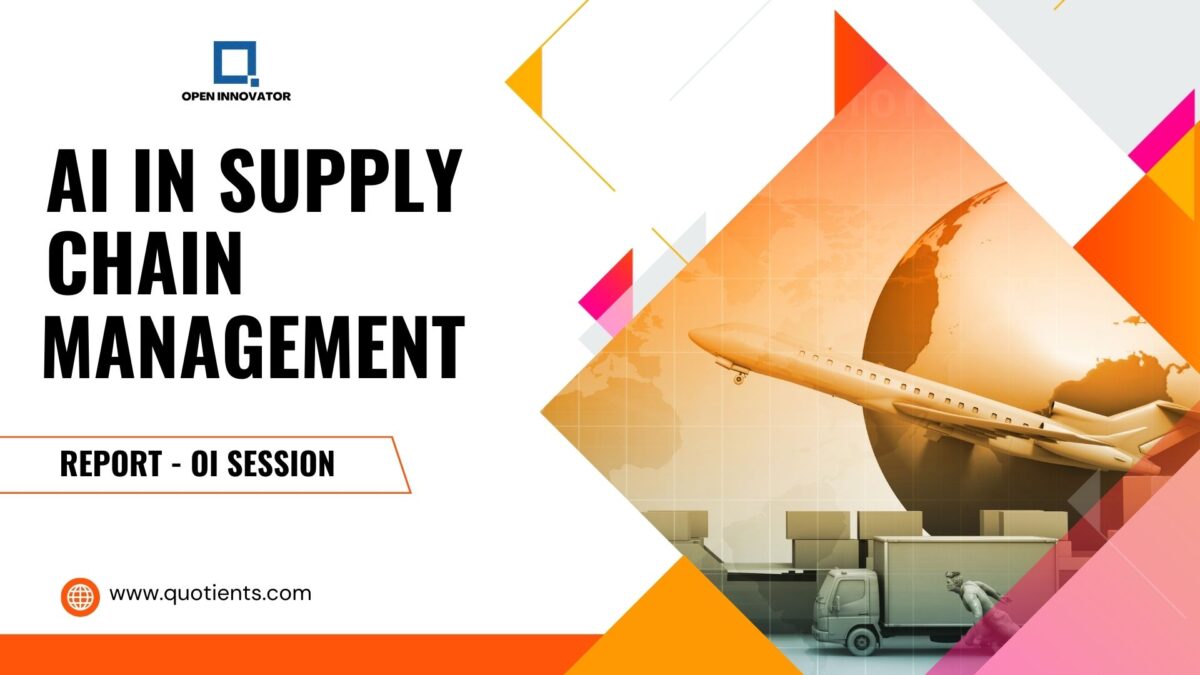
OI Session: AI in Supply Chain and Logistics

Categories
Events

OI Session: AI in Supply Chain and Logistics

The OI session on “AI in Supply Chain and Logistics” featured industry experts discussing the transformative role of artificial intelligence (AI) across various sectors of the supply chain, including pharmaceuticals, steel, and packaging. The session highlighted both the potential benefits and the challenges of integrating AI into existing systems.

The panelists that participated are Bharat Bhushan Rathi, Head of Distribution and Logistics at Mankind Pharma, with over 17 years of experience in various logistics and management roles. Dr. Ghanshyam Singh, Head of Purchase & Supply Chain Management, with expertise in B2B and B2C, and previous roles at Walmart, Rich’s, Savencia, and Chaipoint, holding a PhD in Strategy, MBA, and LLB. Sameer Gupta, Deputy General Manager – Supply Chain (LSS-Black Belt) at JK Tyres & Industries Ltd. S.K. Ranka, Head of Procurement at Maharashtra Seamless Ltd, with extensive experience in procurement and supply chain management.

Key Insights

1. Pharmaceutical Industry

  • AI Use: AI is being used to help with demand planning by forecasting production requirements and illnesses.
  • Human Touch: Because of the industry’s intricacy, human intervention was necessary despite AI’s potential. According to pharmaceutical specialist “the current supply chain is a well-designed human chain,” highlighting the need for AI to support human decision-making rather than replace it.
  • Industry Dynamics: Seasonality has a significant impact on India’s fragmented industry, making adaptability essential for success.

2. Steel Industry

  • SK Ranka of Maharashtra Seamless Limited discussed how artificial intelligence (AI) helped collect historical data and forecast market trends, resulting in better-informed procurement strategies.
  • Inventory management: Steel producers had to balance output for local markets against exports due to low domestic demand. Despite being crucial, accurate demand forecasting was difficult because of erratic outside influences.

3. Packaging Industry

  • The panelists emphasized how artificial intelligence (AI) facilitated improved decision-making by offering insights into global market circumstances, raw material costs, and refinery optimization.
  • Negotiation Efficiency: With many negotiations occurring every day, the capacity to evaluate information prior to discussions greatly enhanced results.

4. Predictive Capabilities and Agility

  • The role of AI: AI improved enterprises’ capacity to monitor sustainability efforts, make prompt choices, and streamline transportation systems.

  • Sustainability Focus: AI is helping enterprises make the shift to more sustainable operations by lowering carbon footprints and managing energy utilization.

5. Challenges and Innovations

  • Implementation Barriers: Using AI to its full potential is difficult due to supply chain complexity. It is believed that startups were essential in providing creative answers to these problems.

  • Real-Time Solutions: Businesses like Syook showed how AI-powered solutions greatly improved asset management and logistics operational visibility and efficiency.

6. Digital Transformation

  • Enterprise Solutions: A number of companies implemented AI and big data strategies to optimize production planning, inventory control, and procurement procedures, leading to significant cost and efficiency savings.

The conversation acknowledged the ongoing need for human expertise while highlighting the critical role AI plays in improving supply chain management. To overcome current obstacles and take advantage of the benefits AI offered, cooperation and creativity were crucial. In order to prepare supply chain management for a bright future, the session ended with a request for continued participation and investigation of new technologies in subsequent meetings.

Categories
Events

AI Revolutionizes Human Resources: Insights from Industry Leaders

Categories
Events

AI Revolutionizes Human Resources: Insights from Industry Leaders

The OI session “AI in HR” included a lively examination of how AI may be incorporated into human resources. HR professionals Dr. Pradyumna Pandey, Sunaina Kaul, Vikas Singh Baghel, Harshit Shrivastava, and Smriti Jain participated in the virtual event.

The session showcased the transformative potential of AI in HR while emphasizing the necessity of a balanced approach that integrates human expertise with technological advancements. The insights from industry leaders and innovators underscored the evolving landscape of HR and the importance of leveraging AI to enhance the human experience in the workplace.

Key Insights

  1. AI’s Role in HR Transformation
    1. Efficiency Gains: AI is projected to reduce hiring time by up to 75% and significantly increase candidate engagement, with a compound annual growth rate of 10.4%.
    1. Balancing Human Interaction: In order to preserve interpersonal relationships and trust, leaders underlined the significance of preserving human supervision in AI-driven operations.
  2. Expert Contributions
    1. Panel Insights: Every HR specialist contributed a different viewpoint about utilizing AI. Sunaina K spoke on improving employee interactions, while Dr. Pradyumna Pandey talked about leveraging AI to empower workforces. Vikas Singh emphasized the potential for data-driven insights to result in quicker and more intelligent decision-making.
  3. AI-Driven Solutions
    1. Innovative Applications: AI is being utilized for screening candidates, personalizing experiences, and workforce planning. The session highlighted tools such as chatbots, internal talent marketplaces, and productivity monitoring systems.
    1. Startup Innovations: Startups like Expertia, Zimyo, and Evalgator showcased their AI solutions aimed at streamlining recruitment and enhancing employee experiences.
  4. Changing Recruitment Practices
    1. Skills Over Experience: There was a notable shift toward prioritizing skills rather than traditional experience in recruitment, aligning with evolving workforce dynamics.
    1. Ethical Considerations: Discussions included the potential of AI to reduce biases in hiring and ensure ethical recruitment practices through anonymized candidate evaluations.
  5. Human-Centric AI Implementation
    1. Maintaining the Human Touch: Panelists underscored that while AI could automate many processes, the intuition and empathy of seasoned HR professionals remained irreplaceable.
    1. Transformative Potential: The session highlighted the rapid changes in HR philosophy driven by AI, emphasizing adaptability and the need for innovative strategies.
  6. Future Trends and Challenges
    1. Navigating New Norms: The conversation included the importance of using AI to adapt to external trends and improve employee engagement.
    1. Mental Health and Well-being: As technology advances, the need for empathy and understanding in HR practices became increasingly critical.

The session concluded with an acknowledgment of the vital role empathy plays in HR practices, especially as soft skills become increasingly valuable. Sunaina K Kaul pointed out that empathy is essential for building meaningful relationships in the workplace, underscoring the need for HR professionals to blend technology with human insight.

Categories
Events

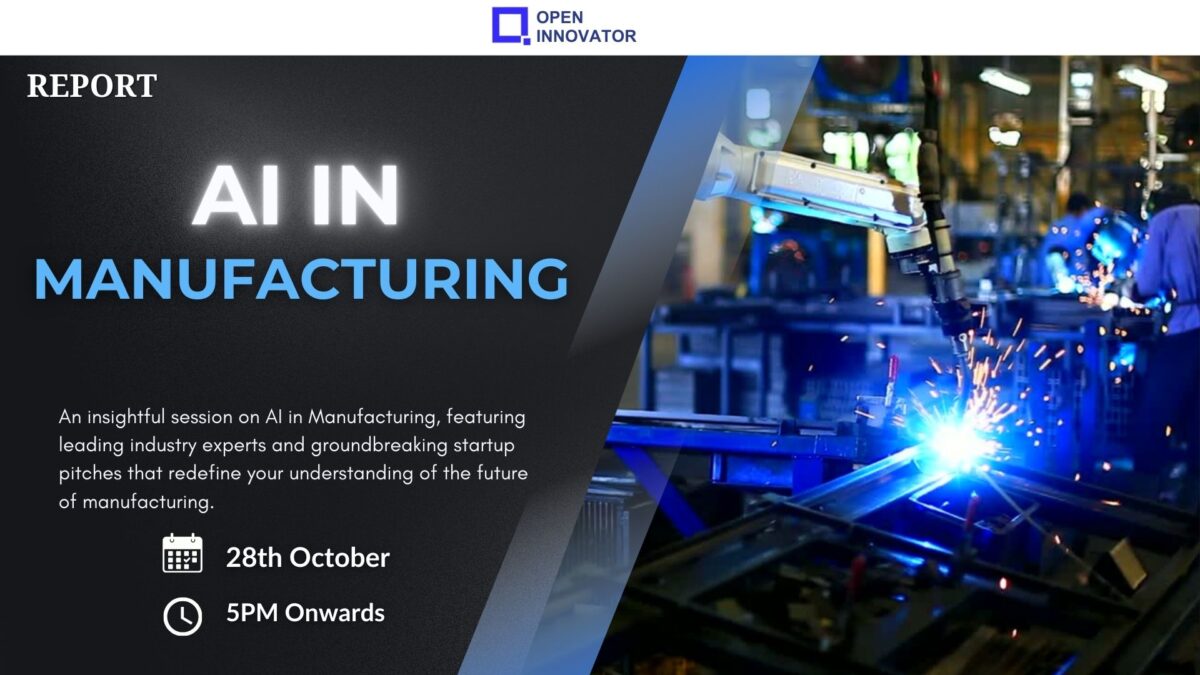
OI Session:Leveraging AI in Manufacturing Sector

Categories
Events

OI Session:Leveraging AI in Manufacturing Sector

OI session, AI in Manufacturing, was held on October 28th, the leaders discussed how artificial intelligence (AI) is drastically changing the manufacturing industry by improving operating efficiency, anticipating equipment problems, and streamlining production processes. The several uses of artificial intelligence (AI) in manufacturing, with particular attention paid to generative AI, predictive maintenance, and the combination of AI with information technology (IT) and operational technology (OT) were discussed. The discussion also included obstacles to the adoption of AI, such as moral dilemmas and the requirement for human participation in decision-making.

The leaders that participated at the event,are:

•              Jemin Tanna, Digitization R&D Head at Siemens Industrial Automation, Generative AI and Startup Focus

•              Achyut Chandra, Manager and Lead at HCL’s Open Innovation vertical, integrating startup solutions into large enterprises

•              Harini Gorla, Associate Director / Senior Principal Enterprise Architect, GSK

•              Ramachandran S, Principal Consultant in the thought leadership unit at Infosys Knowledge Institute, leading engineering, manufacturing, sustainability, and energy transition initiatives

This session also featured exclusive startup pitches from the country’s hottest innovators in the field.

•              ⁠Energy ETA: An IoT-AI enabled platform that combines proprietary hardware, communication, and software to deliver reliable, secure, and sustainable digitization, Founder- Jagjit Singh

•              ⁠Visionbot: Pioneers of plug-and-play visual inspection, driving unmatched efficiency and accuracy for businesses; Founders – Amit C.  Prabhu Prakash  Michael McCoy

•              ⁠SyskeyOT Cybersecurity: Purpose-built OT/ICS cybersecurity, safeguarding critical assets with seamless protocol integration and enhanced visibility, Founder- Rajendran Chellamuthu

The Role of AI in Revolutionizing Manufacturing

Introduction

The use of AI technology is poised to bring about a significant change in the manufacturing sector. AI is expected to boost the global manufacturing industry by about $4 trillion a year by 2030.

Key Applications of AI in Manufacturing

1. Predictive Maintenance

Predictive maintenance is made possible by AI technologies, which analyze data from operations and equipment to anticipate breakdowns before they happen. This strategy enables businesses to reduce maintenance expenses and downtime, which eventually results in significant savings. For supply chain inefficiencies like the bullwhip effect to be accurately identified, data from several sources must be integrated.

2. Generative AI in Design

Manufacturers may produce numerous design iterations that strike a balance between performance and aesthetics because to generative AI’s significant advantages in product design. Demand forecasting and product end-of-life management, including robotic recycling, are just a few of the operations that this technology may help with. However, copyright and ethical issues are brought up by the use of generative AI, which calls for human oversight.

3. AI and Automation Integration

The efficiency of manufacturing is increased by combining automation technologies with AI. Finding appropriate AI solutions requires a cooperative strategy that encourages departmental cooperation. Applications of AI can be found in the aftermarket industry and prototype creation, offering chances for cost savings and increased operational effectiveness.

Challenges of AI Adoption

1. Ethical and Legal Concerns

AI adoption in manufacturing is hampered by issues with prejudice, ethics, and intellectual property rights. Fostering a culture of responsible AI use requires addressing these problems. In the age of Industry 5.0, where AI technologies should support human labor rather than replace it, the human element is still crucial.

2. Skills Gap

There is a skills gap in the manufacturing workforce as a result of the quick development of AI technologies. Upskilling staff members to improve their capacity to collaborate with AI systems must be a top priority for businesses. Training in AI that prioritizes explainability and the democratization of AI across all organizational activities should be part of this reskilling initiative.

Strategies for Successful Implementation

1. Focus on Measurable Outcomes

Instead than just implementing various AI models, organizations should focus on attaining quantifiable results. This emphasis will guarantee that AI projects complement corporate goals and yield observable advantages.

2. Collaboration with Startups

Established manufacturers can investigate novel AI technologies and jointly create value by collaborating with creative startups. Specific issue statements should be the focus of collaborative partnerships so that each party can contribute as much as possible and get as much information as possible.

3. Bridging IT and OT

Effective use of AI in manufacturing requires the confluence of IT and OT. A more unified approach to AI deployment will be made possible by this combination, which will also improve cybersecurity and operational effectiveness.

Success Stories

Leading the way in offering AI-powered manufacturing solutions are a number of firms. Businesses that specialize in cybersecurity for OT environments, for example, are tackling security flaws brought on by the confluence of IT and OT. To protect industrial networks, they offer asset detection solutions and log management systems.

Additionally, operational procedures are being optimized through the deployment of AI models that apply reinforcement learning, which increases energy savings and boosts overall efficiency.

Takeaway

AI has the ability to completely transform industry by increasing output, cutting waste, and stimulating creativity. However, resolving ethical issues, closing the skills gap, and guaranteeing that human expertise continues to play a crucial role in decision-making are all necessary for the successful deployment of AI technologies. To fully utilize AI and bring about significant change in the sector, manufacturers must place a high priority on cooperation, ongoing education, and strategic alliances.

By doing these things, businesses can make sure they stay viable and competitive in a world that is becoming more automated and AI-driven.

Categories
Applied Innovation

Transforming Hygiene: The Rise of Smart Washroom Systems

Categories
Applied Innovation

Transforming Hygiene: The Rise of Smart Washroom Systems

Smart washroom system, a unique technology that measures water usage and collects various other data in sensor taps etc, is transforming cleanliness and hygiene. Smart restroom systems are a creative way to handle these vital areas making use of cutting-edge technologies. These solutions provide real-time monitoring and insights by combining sensors, IoT connectivity, and data analytics, guaranteeing peak performance and user and facility manager satisfaction.

Overview of Smart Washroom Systems

In terms of bathroom management, smart washroom solutions are a major advancement. These systems use a mix of sensors and Internet of Things devices to continuously monitor several areas of restroom operations. Facility managers may use the useful data that smart restroom systems give to make well-informed choices regarding maintenance and resource allocation, from occupancy and cleanliness to consumable levels like soap and toilet paper.

Key Features of Smart Washroom Systems

Real-Time Monitoring

Real-time monitoring of several elements is crucial to smart restroom systems. Sensors are used to monitor consumable levels, hygiene, and occupancy. Facility managers can react swiftly to any problems thanks to this continuous flow of data, guaranteeing that bathrooms are always supplied, clean, and available for use.

Data-Driven Insights

Smart restroom systems gather data that is analyzed to find trends and usage patterns. By enabling predictive maintenance scheduling and inventory management, this data lowers operating costs and the chance of running out of necessary supplies. For instance, facility managers might plan additional cleanings to uphold hygienic standards if the data indicates an increase in usage during particular periods.

User Experience Enhancement

The user is the primary focus of the design of smart restroom systems. By features like automatic notifications and occupancy indications wait times are decreased and the entire experience is improved b. For example, occupancy sensors may show users which stalls are available, avoiding congestion and guaranteeing a more enjoyable experience. Furthermore, computerized notifications can inform cleaning personnel when a restroom requires maintenance, preserving hygienic conditions.

Environmental Impact

An important factor in contemporary restroom management is sustainability. Water-saving features like leak monitoring systems and waterless urinals are a common feature of smart restroom solutions. These characteristics support environmental initiatives and lessen water usage. Smart restroom systems optimize resource use, which not only reduces costs but also encourages environmentally beneficial behavior.

Benefits of Implementing Smart Washroom Systems

Operational Efficiency

The improved operating efficiency of smart restroom systems is one of its main advantages. Cleaning crews may concentrate on high-traffic areas using real-time data when monitoring activities are automated, which eliminates the need for manual inspections. This focused strategy guarantees that bathrooms are kept in optimal condition and that resources are used effectively.

Cost Reduction

Significant cost reductions are another benefit of smart restroom systems. Facilities may save maintenance costs by making the most use of their resources and preventing equipment failures with early notifications. By scheduling proactive maintenance based on data insights, problems are dealt with before they become serious ones, which further lowers costs.

Improved Hygiene Standards

Maintaining high standards of cleanliness via ongoing monitoring efficiently addresses public health issues. In order to keep dirt and germs from building up, smart bathroom systems make sure that restrooms are cleaned and refilled as needed. In high-traffic areas, where cleanliness has a direct influence on user happiness and health, this emphasis on hygiene is especially crucial.

Customizable Dashboards

Dashboards may be tailored by facility managers to display data in ways that best meet their operating requirements. This adaptability facilitates decision-making by giving managers instant access to the data they require to maintain efficient toilet operations. Additionally, managers may monitor key performance metrics and assess the success of their maintenance plans via customizable dashboards.

Scalability

Due to their great scalability, smart restroom technologies may be used in a variety of settings, including big retail centers and tiny workplaces. Smart bathroom systems are easily scalable to meet unique demands, whether they are managing a single restroom or several facilities spread across several sites. The benefits of smart restroom management are accessible to companies of all sizes because to its scalability.

Future Trends in Smart Washroom Systems

AI and Predictive Maintenance

Predictive maintenance is about to undergo a revolution because to developments in machine learning and artificial intelligence (AI). AI can forecast when maintenance is required by evaluating data from smart restroom systems, which minimizes downtime and avoids equipment breakdowns. By taking this proactive measure, bathrooms are kept clean and functional.

Personalization of the User

Users will have more personalization options with future smart restroom systems. Customized settings and preferences can improve the user experience and make using the restroom more pleasant and convenient. Depending on their preferences, customers may be able to change the temperature, illumination, or even select particular cleaning cycles.

Sustainability

Eco-friendly elements will continue to be included into smart restroom systems as sustainability gains importance. Environmentally friendly materials, energy-efficient lighting, and water-saving devices will become commonplace. In addition to lessening their negative effects on the environment, these sustainable practices support corporate social responsibility objectives.

Touchless Technology

Touchless technology use is anticipated to increase due to user convenience and hygienic concerns. Touchless flush systems, soap dispensers, and faucets improve user pleasure while lowering the chance of germ transmission. The increasing usage of touchless technology will make toilets safer and easier to use.

Takeaway

An important development in bathroom management is the use of smart washroom systems. These systems increase operational efficiency, boost customer happiness, and promote sustainability by incorporating technology into daily operations. The use of intelligent technologies in public facilities will become more crucial as urbanization increases in order to preserve operational efficiency and hygiene.

Contact us at innovate@quotients.com to schedule a consultation and explore the transformative potential of this innovative technology.

Categories
Enterprise Innovation

EMAS: Revolutionizing Energy Efficiency and Environmental Performance

Categories
Enterprise Innovation

EMAS: Revolutionizing Energy Efficiency and Environmental Performance

In a world where sustainability and energy efficiency are becoming more and more significant, the Energy Monitoring, Auditing, and Savings (EMAS) platform is a special framework for enhancing environmental performance in enterprises. EMAS combines rigorous energy audits, robust management systems, and continuous improvement processes to help firms identify energy-saving potential and implement effective energy management programs.

Important Elements of EMAS

In order to comply with EMAS regulations, businesses must build up an Environmental Management System (EMS), which include defining environmental policies, goals, and actions to attain them. Frequent energy audits, which offer a comprehensive assessment of present energy use, expenses, and prospective savings, are crucial for locating inefficiencies and possibilities for energy savings. To track performance against predetermined benchmarks, such as energy efficiency measurements, an annual environmental report is essential. To guarantee compliance with EMAS requirements, independent verifiers validate the audit and EMS results.

The energy auditing process typically consists of three steps, according the EMAS framework. In order to establish audit objectives and gather preliminary data on energy use, the first step, known as the Pre-Audit Phase, entails preliminary discussions with management. The Audit Phase comes next, during which a comprehensive examination of energy usage across different organizational systems is carried out in order to find inefficiencies and possible savings. Writing a report outlining the results and offering suggestions for enhancing energy efficiency is the last step, known as the Post-Audit Phase.

Energy audits within the EMAS framework have a lot of advantages. Thorough examination during audits assists in pinpointing certain locations where energy may be saved, which may eventually result in cost savings when suggestions are put into practice. Furthermore, companies who implement EMAS or ISO 50001 may be excluded from some EU-mandated audit requirements, which improves compliance and lessens regulatory costs.

For businesses looking to improve their environmental performance while saving a substantial amount of energy, the EMAS platform is an essential resource. EMAS promotes a culture of sustainability and continuous development within firms in addition to helping with regulatory compliance by fusing sound management practices with methodical auditing procedures.

Businesses may meet and surpass environmental regulations by implementing EMAS, which eventually helps create a more sustainable future. Organizations may make sure they meet the highest environmental standards and operate at maximum energy efficiency by utilizing the organized method of EMAS. Cost reductions, better operational performance, and an improved reputation as ethical and progressive businesses among stakeholders and customers result from this.

Tools like EMAS are becoming more and more crucial as the problems associated with climate change and energy sustainability continue to expand. They give organizations a precise and workable framework that guarantees the precise and responsible achievement of environmental goals. Adopting the EMAS platform is a calculated decision with long-term advantages for companies hoping to improve their financial performance and have a beneficial environmental effect.

Numerous solutions are available that make it easier to comply with EMAS certification requirements by helping to monitor energy use, costs, and greenhouse gas emissions. Furthermore, these solutions integrate energy management with other organizational tasks including manufacturing, payroll, accounts payable, and inventory management via multi-user ERP systems.

To sum up, the EMAS platform provides a thorough and practical way to improve environmental performance and energy efficiency. Organizations can accomplish their sustainability objectives and help create a more sustainable future by utilizing EMAS’s stringent audits, methodical management, and continuous improvement procedures.

Contact us at innovate@quotients.com to schedule a consultation and explore the transformative potential of this innovative technology.

Categories
Applied Innovation

AI-Based Solutions transforming Women Health

Categories
Applied Innovation

AI-Based Solutions transforming Women Health

Women encounter many obstacles pertaining to conception and reproductive health in today’s fast-paced society. Their mental, emotional, and physical health may be significantly impacted by these problems. Thankfully, developments in artificial intelligence (AI) have opened the door for creative solutions that offer all-encompassing assistance. Offering emotional and behavioral health support to women in order to help them deal with reproductive health and fertility concerns is one such solution. In order to assist women attain total well-being, this study examines an AI-based holistic care paradigm that addresses psychological, nutritional, and reproductive health.

Introduction to AI in Women’s Health

A potent strategy for addressing a variety of healthcare issues unique to women is artificial intelligence (AI). This includes state-of-the-art studies and developments in AI-powered devices for maternal care, reproductive health, and women’s health.

The methodologies utilized include Machine Learning Algorithms, Deep Neural Networks, Natural Language Processing, Large Language Models, Federated Learning, Generative AI, and Reinforcement Learning.

These approaches make it possible to create cutting-edge tools that support professional judgment and provide women the ability to keep an eye on their health, offering potential for early intervention and real-time insights in both hospital and home settings. Women’s mental health and wellness, prenatal, intrapartum, and postpartum care, infertility diagnosis and treatment, and the management of chronic diseases for women are all included in this AI-driven revolution.

Key Components of the AI-Based Solution:

Mental Health Support


• Personalized Counseling:
There are AI based solutions that provide women with individualized counseling sessions to assist them cope with the stress, worry, and despair brought on by issues related to their reproductive health. The purpose of these sessions is to foster resilience and offer emotional support.
• Mindfulness and Relaxation Techniques: This approach helps women maintain mental calm and lower stress levels by incorporating breathing exercises, guided meditation, and other relaxation techniques.

Behavioral Health Assistance

• Behavioral Analysis: To find behaviors that could be harmful to reproductive health, the AI based solutions track and examine behavioral patterns. It offers practical methods and ideas to promote healthier habits.
• Habit Formation Support: This program helps women create and sustain healthy routines, such consistent exercise, enough sleep, and stress reduction techniques, by applying behavioral science.

Nutritional Guidance

• Customized Nutrition Plans: Provides individualized dietary advice based on each person’s unique health profile, emphasizing nutrients that promote general health and reproductive health.
• Diet Tracking and Feedback: This feature helps women make better eating decisions by enabling them to record their meals and get feedback on their nutritional intake.

Reproductive Health Insights

• Fertility Tracking and Support: Offers resources to monitor ovulation, menstrual cycles, and fertility windows, providing information that can help with fertility treatments and family planning.

• Educational Resources: Provides a plethora of knowledge on subjects related to reproductive health, such as common reproductive illnesses, fertility treatments, and menstruation health. Women are better able to stay informed and make health-related decisions as a result.

• Personalized Health Plans: Creates all-inclusive health plans that incorporate behavioral, emotional, and reproductive health techniques, customized to meet the specific requirements of every woman.

How these solutions work

  • Initial Assessment: Women start by answering a thorough questionnaire that evaluates their reproductive, behavioral, mental, and nutritional well-being.  
  • Data Analysis: After processing this data, the AI develops a customized care plan that takes into account each person’s unique medical requirements.
  • Continuous Monitoring and Support: The system keeps an eye on the user’s medical information, offering real-time comments and modifying the treatment plan as necessary.
  • Frequent Check-Ins: To discuss problems, monitor progress, and adjust care plans, health professionals are available for periodic virtual consultations.
  • Community Support: By connecting with peers who are going through similar things, women might find a supportive group that offers a forum for exchanging stories and offering encouragement.

Benefits of Such Solutions

• Holistic Care: This technique guarantees a thorough approach to well-being by concurrently addressing mental, behavioral, and reproductive health.

• Empowerment: Women gain the skills and information necessary to take charge of their health, which increases their independence and self-assurance.

• Accessibility: By removing geographical restrictions, the AI-powered platform guarantees that women may receive high-quality care wherever they are.

• Cost-Effectiveness: Makes high-quality care more accessible and economical by eliminating the need for frequent in-person visits.

Takeaway

AI-powered solutions are a ground-breaking method of assisting women with fertility and reproductive health concerns. These solutions enable women to attain total well-being and lead lives unhindered by mental, behavioral, and nutritional health conditions by offering an integrated style of care. The future of individualized healthcare is represented by this all-encompassing and easily accessible strategy, which gives women everywhere encouragement and hope. This approach, which makes use of AI, not only solves the pressing issues surrounding reproductive health but also promotes empowerment and long-term wellness.

Contact us at innovate@quotients.com to schedule a consultation and explore the transformative potential of this innovative technology.