




Categories
Applied Innovation Enterprise Innovation

No-Code Platform for Enterprise Metaverse

Categories
Applied Innovation Enterprise Innovation

No-Code Platform for Enterprise Metaverse

The pandemic has altered the way we live, there is an increased presence of technology in every domain of our lives.  Across industries, a shift in the fundamentals is taking place. Amid all this, Metaverse, a technological innovation that holds power to transform the way businesses function across multiple sectors, has come into existence.

Metaverse

As described by Meta, formerly facebook, the metaverse is a “set of virtual spaces where you can create and explore with other people who aren’t in the same physical space as you.”  The word doesn’t refer to a certain type of technology as such but a shift in how we interact with technology. The technologies referred to as “the metaverse” discussed include cutting-edge technologies such as Augmented Reality (AR), Virtual Reality (VR), Mixed Reality (MR), a hybrid of AR and VR, and blockchain. 


This internet’s transition from 2D websites to 3D cyberspaces is having an impact on industries such as Healthcare, defense, education, manufacturing, automotive, supply chain, real estate, etc. This has forced the bulk of major companies to have a metaverse strategy on how they can take advantage of the metaverse’s potential. The term ‘enterprise metaverse’ has come into the picture which by definition, is a metaverse that enables business growth opportunities for an enterprise.

Enterprise Metaverse


Enterprise metaverse refers to an immersive virtual environment– digitization of existing applications and processes for businesses– that enables companies to explore new digital possibilities and reach global audiences, drive engagement, create meaningful connections, train employees, etc. By creating Metaverse Apps for processes, operations, and infrastructure enterprises can greatly improve their operations. Digital twins i.e. real-time digital copies of a physical object are building blocks of the metaverse.

Enterprise Metaverse and Digital Twins

Synchronized with the physical world using sensors and IoT connections, Digital Twins are foundational to enabling the enterprise metaverse. These sensors produce data about different aspects of simple assets or products to complex environments which are then relayed to a processing system (on the edge/cloud) and applied to a digital twin and give one centralized view bundled in a web/mobile/XR app. Software techniques can be used for these models and analytics can be run to gain insights and predict changes before they happen. The gained insights from the simulated copy can be applied to the real-world twin in the physical environment to realize the benefits.

No-code platform solution for building Enterprise Metaverse


Businesses are adopting the enterprise metaverse in the form of digital twins to get an edge over their peers but creating virtual models of factories is not an easy task despite the available resources for it. Quotients has been engaging with startups working on no-code platform solutions for building enterprise metaverse applications such as digital twins. No-code is software in the form of service that allows users to customize any type of digital product or environment with little to no coding experience.

This solution can connect data with sensors equipment leading to video feeds in an interactive 3d workspace. The patented technology offers process automation, visual programming tools, and 3rd party integrations to build software without any programming knowledge. The users can create and publish workflows and run applications on multiple platforms by connecting sensors and devices, importing existing 3d models, and mapping 3d events interactions.

To know more about such innovative solutions and evolving use cases in different domains along with collaboration and partnership opportunities please write us at open-innovator@quotients.com


Categories
Applied Innovation Enterprise Innovation

Blockchain based Anti-counterfeit solution

Categories
Applied Innovation Enterprise Innovation

Blockchain based Anti-counterfeit solution

Surge in Online Shopping

The growth in online shopping has seen a spectacular increase in last few years. The retail e commerce sales worldwide is expected to climb a further 16.8% this year, to $4.921 trillion. This rapid acceleration of online buying was fueled by the pandemic, several countries like India, Brazil, Russia, and Argentina are witnessing significant expansion in e commerce.

Areas of Concern

Although online shopping has many factors of concern like data security, customer loyalty, unexpected price changes, economic uncertainty, inventory overload etc but counterfeited products sold online to unsuspecting consumers is one of the major concerns. Phone chargers, pharmaceuticals, and cosmetics are common items whose counterfeit products are often sold online at a considerably lower price.

Counterfeiting Impacting Brand Reputation

Counterfeiting is not only impacting not just sales and profits but also brand reputation. Brands and organizations strive to improve their brand identity and expanding their market share by constantly working on developing unique and innovative products but if the end consumers do not get access to these features because of infiltration of fake products results in the brands suffering massive losses.

There are also certain risks health risks associated with these counterfeits products, like electrocution or exposure to harmful chemicals that can cause serious damage to customers health. It has thus become pertinent that brands and organizations guarantee the authenticity of their products as the customers move towards more online purchases.

Groundbreaking Technology

To address this need of ensuring that authentic products reach the end consumer, Quotients has been working with different startups to come up with a solution. In this quest, we have come across a groundbreaking technology that employs AI, cryptography, and blockchain to add a cryptographic signature to the parcels. This signature can be used to verify the authenticity of products by a user’s mobile device through an app. Also, there is no need to change the existing package design and printing process by the client.

How it works

Blockchain is used with IoT and NFC tags to provides stakeholders with the visibility a product’s entire history. Blockchain creates immutable digital records, as a permanent ledger, any data stored stays for all the time. As each piece of information is encrypted individually to make a change rest of the nodes in the network need to agree which makes it impossible for the fraudsters and instances of fraud can be easily detected.

NFC, or near field communication, a popular wireless technology that allows transfer of data between two devices that are in close proximity, is a tamper-proof tag that is used to give each product a unique identifier.

As the product goes through the distribution chain, operators scan the NFC tag and upload information about its current state to the blockchain. Because all signatures are cryptographic, the system can provide complete security and transparency. The blockchain serves as a permanent data repository and while NFC tags prevents tampering with real objects.

Application

Application of anti counterfeit solutions depends primarily on the needs of industry and respective supply chains. In agriculture, this solution can be used to check illegally-produced goods that may pose a real risk to human health. The pharmaceutical industry is another popular target where false drugs are counterfeited as genuine by refilling empty containers or using fake labels. Here such solution can be used to combat such activities and save life and prevent harmful effects on patients.

These innovations also find application ensure premium beverages, food and tobacco products. With the globalization of food products and producers working in different areas better opportunities these solutions can help tracking and monitoring of supply chain and ensuring delivery of genuine products.

Conclusion

By ensuring the delivery of authentic product, the solution leads to brand loyalty and along with this it generates rich data on interactions in supply chain, checks cross border sales, helps in warranty management and in reducing carbon footprint by constant monitoring of supply chain.

To know more of such innovative solutions and evolving use cases in different domains along with collaboration and partnership opportunities please write us at open-innovator@quotients.com

Categories
Applied Innovation Healthtech

Digital Microscopy – Enabling Telepathology and Better Diagnostics

Categories
Applied Innovation Healthtech

Digital Microscopy – Enabling Telepathology and Better Diagnostics

Role of Microscopy in Diagnostics

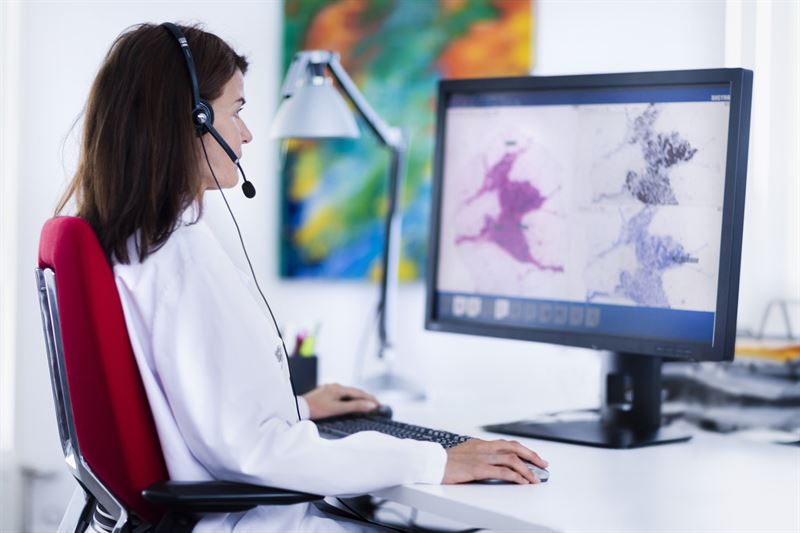
Microscopy is an important part of pathology research where pathologists using microscopes check abnormalities in specimen like cells, tissues, or organs to study the changes that occur when they are affected by disease. Microscopes, camera, and imaging software system is utilized to detect that would not be able to be seen with their naked eye, for example subtle differences in color, or the number of certain cells in a specimen.

Advent of Digital Pathology

Digital pathology, largely developed over the last decade, has become essential to adapt and lead in the rapidly changing environment. The technology is widely used here to create and support digital pathology i.e. for performing pathologic analysis and managing the information associated with this activity.

AI/ML-based solutions for primary diagnosis

In low resource settings,  the absence of trained professionals require the movement of the physical slides, patients, or professionals for consultation between the urban and rural centers which is time consuming and an expensive proposition. Digital pathology holds the potential to bridge this gap. The advent of smart phones and tablets with usage increasing with each generation in both the urban and rural areas, coupled with AI/ML-based quantifying solutions built with digital scanners, can address the issues like primary diagnosis and training in remote areas effectively.

An Integrated Digital Microscopes

A new integrated digital microscope  has been developed high magnification mobile phone/tablet microscope that provides high-quality images. The microscopes are battery operated and with this are portable, lightweight, compact with ergonomic design.

According to the company claims, the microscopes are durable, efficient for any work environment and can can also be easily setup in a few steps. It has 1000X zoom and more than 30fps recording and integrated with video-conference options.  It also have micrometry  and annotation ability.

The Digital Microscopes also come with remote viewing tool that allows medical professionals to practice telepathology — the practice of medical diagnosis facilitated by digital transmission of pathological data using telecommunication data. This can ensure consistent flow of work across geographical boundaries and devices allows for conducting consultations, across geographical differences and multiple devices, enabling second opinions and slide discussions.

There is also an option to store unique and important cases through its digital imaging and micrometry tools that can be read and analyzed later and serve as case study and ground for coming to important conclusions.

Conclusion

Quality medical treatment can be a challenge in remote areas, so this startup is offering an important technology helping patients to see better medical outcomes, reduce liability and result in significant time savings for the hospital, pathology lab and surgical personnel.

To know more of such innovative solutions and evolving use cases in different domains along with collaboration and partnership opportunities please write us at open-innovator@quotients.com

Categories
Innovator's Vista

How AI is Impacting Sales

Categories
Innovator's Vista

How AI is Impacting Sales

AI is having an impact in sales by automating time-consuming tasks like sales forecasting, or difficult jobs, like data input and meeting scheduling. It can enable comprehensive statistics and detect patterns on every interaction between sales people and potential clients, including emails, phone calls, and chats, hence they can improve capacity of sales teams to prioritize and develop into better salesmen by pointing out trends in customer responses.

Online virtual worlds is another segment that offer untapped marketing potential for real-world products and services. In the business world, virtual reality could be extremely helpful, particularly for sales teams. They reduce online shoppers’ search efforts and facilitate efficient decision making. Usage of Avatars, a representation in this online environment, are helping brands drive sales with enhanced and engaging product discovery processes.

Virtual sales person (VS), an employee avatar of the virtual store looking out through its eyes and engaging with other beings, providing product information and recommending products, can be an intense experience. VS serve as sales augmentation services that applied in parallel with sales teams and utilizes a company’s resources and knowledge base and thus increase customer interaction and sales.

The advent of deep learning and the accessibility of millions of hours of film displaying every feature of the human body and face have made AI-powered avatars resemble humans, and virtual 3D representations, more lifelike.

A growing body of research shows that people react more positively to human faces, and businesses are beginning to use AI-powered avatars to their advantage. Avatars improve human connection and with Natural Language Processing (NLP) methods, these can speak with humans can help win sales and influence people.

As the sales AI avatar becomes better at the job it can automatically generate digital marketing interactions with leads as it learns. Considering that people feel more at ease engaging with beings who resemble them, there is another use that might enhance consumer engagement. The positive outcomes from using avatars suggest that a well-designed and strategically integrated avatar salesforce will provide a retailer with a competitive advantage.

A virtual store, an ecommerce experience powered by VR and AR technologies, has also emerged as an alternative tool for addressing the most basic customer needs and is witnessing increased popularity. These stores allow consumers to virtually try products and instantly access information about them while also providing highly engaging and immersive shopping experiences. It can be a virtual reality retail store or a mobile augmented reality app that allows customers to experience the products physically and hence close the gap between the physical world and the online realm leading to customers having personalized and satisfying experiences.

Categories
Innovator's Vista

Role of Terahertz Technology in Biomedical, Security, Pharma, Food, and Automotive Industry

Categories
Innovator's Vista

Role of Terahertz Technology in Biomedical, Security, Pharma, Food, and Automotive Industry

Terahertz (THz) radiation is a form of electromagnetic radiation, whose frequency lies between Infrared light and microwaves i.e. in the range of ~0.3-10THz. The range is generally referred as THz gap as there was very minimal work done on these radiations due to absence of suitable sources and detectors. The things have changed now with the advances in photonics –science of light that deals with the generation, detection and manipulation of light– which created various powerful solutions both for generation and detection of terahertz waves.

These advances have brought terahertz technology to the centre stage. Along with this some properties of Terahertz radiation like it can well penetrate many materials such as paper, plastics, textiles and foams, it is non-ionizing, and can be absorbed by water and high chemical sensitivity. These factors have led it to be used in many applications. Areas such as Biomedical, Security, Pharma, Food, and Automotive Industry are now adopting this technology. Some of these are discussed below.

Biomedical

Terahertz radiation is non-ionizing so it does not damage DNA and is safe for use in tissues so this radiation has significant potential in medical diagnosis. Particularly in cancer imaging they can be ideal in measuring the superficial soft tissues in which most cancers occur. It is possible to distinguish normal tissue from cancer tissues via spectroscopic imaging through this radiation.

With an increasing variety of threats like chemical, biological and radiological elements, Terahertz imaging can be used to detect hidden objects in clothing and common packing materials and envelopes without opening the container or disturbing its integrity. As it is non ionising unlike X-ray machine and is completely harmless for humans, it has the potential to be used in security screening and counterterrorism.

Pharma

X-ray technology emits ionizing radiation that can have detrimental impact on human and animal health. In this context, Terahertz rays are unique and safe alternatives to X-rays as they are harmless. Terahertz rays and THz-imaging can also help in nondestructive testing (NDT) technique during the production of drugs, medical products etc for inspection of plastic containers with pills in quality control.

Food Inspection:

X-rays’s ionizing radiation can also have its detrimental effect on biological agents. So TeraHertz rays can be used by food manufacturers and packagers to inspect the food in packaging. THz imaging systems can easily detect a presence of fungus, insects or any other foreign agent present through inspecting several polyethylene bags. THz technology being non invasive doesn’t require the food to be checked manually.

Automotive:

TeraHertz technology can be used in automotive technology for detection of corrosion in coated metal parts and presence of disrupted steel and other foreign inclusions in rubber parts. Even in painted parts as THz signals get clearly reflected in noncorroded metal parts while corroded parts reflect the signal poorly so the corroded metal can be detected easily. They also used to detect automobile paints thickness measurements and quality evaluation in real time.

Market

The TeraHertz technology market is witnessing various technological advancements, with researchers across the globe developing new ways to utilize terahertz energy in developing advanced devices/systems. According to a Report , the Global Terahertz Technologies Market is highly competitive and consists of several major players. These companies are leveraging on strategic collaborative initiatives and are also acquiring start-ups working on terahertz technologies to strengthen their product capabilities.

Categories
Uncategorized

Privacy Policy Open Innovator

Categories
Uncategorized

Privacy Policy Open Innovator

OPEN INNOVATOR accessible at Quotients.com values your privacy and therefore has set up this extensive Privacy Policy in order to notify you when data is stored, what is being processed and what is being disclosed to other entities. It is only an initiative to disseminate information about innovation happening across different industries.

How Do We Collect Personal Information? We collect information solely by your use of our website and the information you fill out.

What Personal Information Is Retained About You? We collect only statistic information about your use of the website.

What Non-Personal Information Is Retained About You? We do not retain any non-personally identifiable information, including your browsing habits, and other information.

How Do We Process Your Information? We shall process the information through the service we provide to better understand how people use our website. We may use your contact information to contact you with updates and notifications regarding our services, which you may opt out of.

Do We Use Cookies In Our Service? NO

Who has Access to Your Information? We provide access to your information, solely to our employees, that are under strict confidentiality obligations. Our employees use of your personal information is monitored.

Which third parties do we use to process the personal information? We use not use any such services

How Can We Contact You? We may send periodical newsletters and we may send you updates; you may always opt-out of these services.

Can You Amend the Information? We respect your privacy and you can send us an email to request that we remove your personal information or obtain a copy of your personal information, and you may also contact us with any additional inquiry.

What Can You Do If You Feel Your Privacy Was Invaded? If You feel your privacy was invaded, you can always contact our privacy officer, by email at open-innovator@Quotients.ocm

Categories
Innovator's Vista

Smart Wearable Posture Trainer for Healthy Spine

Categories
Innovator's Vista

Smart Wearable Posture Trainer for Healthy Spine

Posture is the position of one’s body when they are standing or sitting. It defines how the spine is aligned with the head, shoulders, and hips. A Good posture means having a neutral spine so that there is no stress on muscle groups, joints, and ligaments. It keeps them aligned in a way that the body remains flexible and balanced. So posture is an important element of a person’s health and poor posture may lead to issues like back pain, spinal dysfunction, joint degeneration, rounded shoulders, etc.

The Corona pandemic caused a significant change in the lifestyle of a large population. With prolonged staying at the home, dependency on screens for work or otherwise has increased. This with the absence of any ergonomic set-up also led to a change in sitting position and thus to orthopedic conditions like back pain and neck pain.

To tackle this, Dipitr, a startup dedicated to developing innovative and delightful tech products for health and wellness, has launched a Smart Wearable Posture Trainer. The device is dedicated to people sitting more than 6 hours a day and having issues with back pain and posture problems.

The device named Strack is a habit-changing device and works on Biofeedback. Biofeedback is a mind-body technique in which individuals learn how to modify their physiology for the purpose of improving physical, mental, emotional, and spiritual health. Patients learn to voluntarily control what were once thought to be involuntary body processes. This intervention requires specialized equipment to convert physiological signals into meaningful visual and auditory cues. Using a screen such as a computer monitor, patients get feedback that helps them develop control over their physiology. 

For using this device all it requires is attaching it onto the upper back with its included magnetic clasp or its adhesive. It comes with a mobile companion app, compatible with ios and android, that can be paired with a user’s smartphone that is used to calibrate the device to the correct posture. On poor posture, Strack gently vibrates and gives alert. With the App, posture improvement can be monitored and it also gives daily, weekly, and monthly progress reports. There are also posture workout videos and personalized goal based training to improve your posture and core muscles.

The App can also be used to easily adjust the vibration strength, alert time, and personalized posture training experience. The company claims that after use for 30 days it improves the core muscles and strengthens the back to give better and a healthy posture. The Strack Smart Posture Corrector can be bought directly from e-commerce websites.

Strack was launched by Amir Valani in 2019, after carrying out extensive research into the human spine, and its effects on overall health and wellbeing, to develop an innovative way to train ourselves to sit upright.

Categories
Innovator's Vista

How AI and Digital Technologies are Enhancing Policing

Categories
Innovator's Vista

How AI and Digital Technologies are Enhancing Policing

National Crime Records Bureau (NCRB) recently released its report on crime in India. The report states that a total of 66,01,285 cognizable crimes were registered in 2020. India reported an average of 80 murders daily in 2020, totaling 29,193 fatalities over the year. The crime records have thus been very unimpressive in the country and call for some strategic shifts in their policing.

Law Enforcement Agencies in developed countries utilize technology a lot and there has been a strong association between technology and their policing strategy. However, Police departments in India have traditionally been slow adopters of technology. It is primarily because of the highly prevalent bureaucratic practices and legacy systems still in use in police departments.

The impact of AI and related technologies on jobs, the economy, and the future of work have much been discussed but its usage in surveillance and predictive policing is an area that needs to be explored. AI can enable innovative police services by connecting police forces to citizens, building trust, and strengthening associations with communities. Smart solutions such as biometrics, facial recognition, smart cameras, and video surveillance systems coupled with analytics can greatly improve policing. A recent study suggests that smart technologies can reduce crime in cities by 30 to 40 percent and reduce response times for emergency services by 20 to 35 percent.

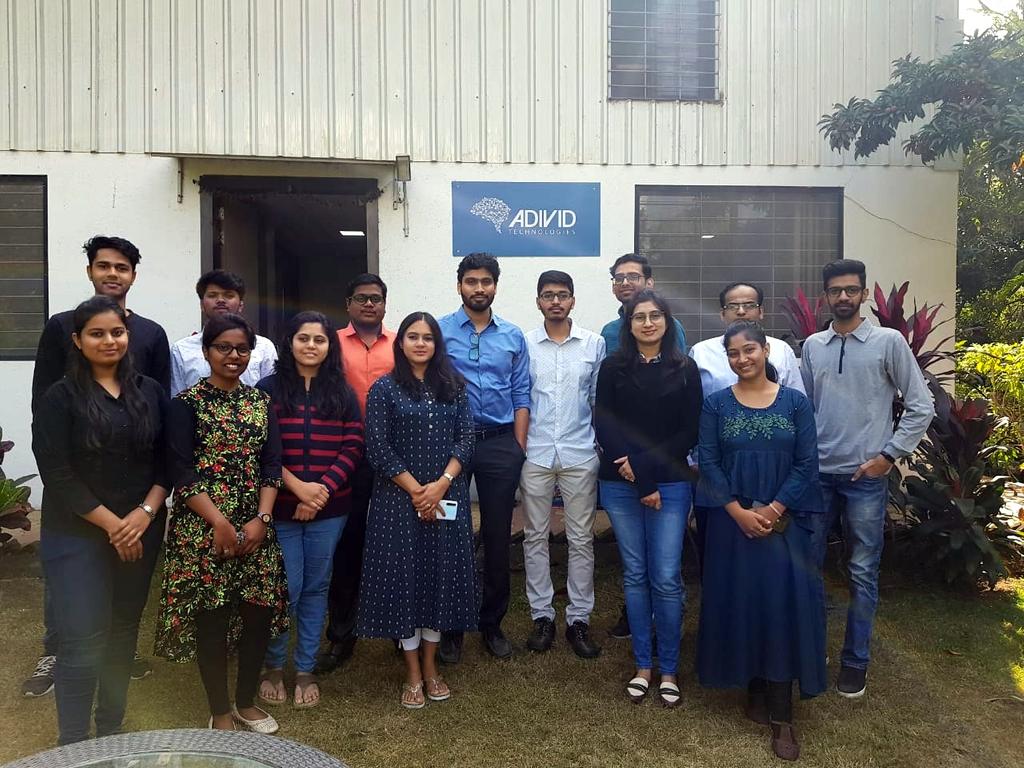
Adivid Technologies, based in Kota, Rajasthan is a startup working on this usecase. The company is providing police departments with such a platform called Third I. Having spent around five years working extensively with Police Departments, Adivid team has identified the existing challenges and opportunities.

Third I form Adivid

As per its experience, a majority of Police force is involved in reporting, paperwork, collecting data through multiple channels, information transferring, maintaining and retrieving it. Though it is an essential practice, it involves a lot of monotonous effort to compile hundreds of reports on a daily basis, ultimately leading to lesser number of personnel on field, for their core service to detect and prevent crimes.

Adivid team also delved deeper into 3 major aspect of policing which are as first, Process Automation, Second Enhanced Surveillance & Monitoring and Third Predictive Policing. The team found that in current scenario, Police Control Room dedicates 15-20 people to continuously coordinate and track the location of all the police station vehicles, beat marshals, Nirbhaya mobiles etc. over the wireless device on hourly basis and whenever any incident occurs, all the nearby vehicles are ordered to reach at the venue. The underlying problem with this method is unnecessary noise over wireless, no way to authenticate accurate location of vehicles or any other information, usage of rudimentary technologies with no way to customize.

With its Third I and other modules (20+), Adivid Technologies has worked towards solving the redundancies in regular day-to-day proceedings of police departments, the Information & Technological gaps present, and the lack of Data Centralization & Analytics which subsequently hamper administration’s ability to make real time informed decisions. Currently, more than 35000 Police Personnel across 14 cities and districts and 25000+ citizen users are using Third I and other modules developed by Adivid Technologies.

Powered by Automation, ML & AI, Third I enable Real-Time Information Management, Data Visualization and Improved Communication. Explaining the viability of Adivid solutions, Kovid Sawla, CEO of the company says,” All our modules require very minimal infrastructure (only smartphone & desktop mostly); e.g., instead of RFID, or tracking device, we provide alternative such as QR Codes, Mobile Apps etc. Thus, our solutions are viable and feasible for Police Departments.”

Adivid Technologies has incorporated multiple techniques and algorithms for various analytics, prediction and recommendation based on past crime data to generate various Charts, Statistics and assessment, generate heatmaps, identify Crime/Accident Hotspots, Patterns, Patrolling Recommendations, auto alerts system etc. which can greatly help decision makers to take directed and insightful action.

Adivid Technologies has given it’s solutions to more than 20+ large organizations including Maharashtra State Police, Mumbai Police, Delhi Police, Childline India etc.

Categories
Innovator's Vista

Catheter Reprocessing Systems Make Treatment of Cardiovascular Diseases Affordable for Masses

Categories
Innovator's Vista

Catheter Reprocessing Systems Make Treatment of Cardiovascular Diseases Affordable for Masses

The heart disease rate among Indians / South Asians is double that of the national averages of the western world. The reasons attributed to this are varied from underlying genetic predisposition to metabolic deregulation, as well as a recent shift to increasing consumption of red meats, junk foods, and higher stress.

The treatment of coronary heart disease (CHD) is significantly expensive in the country and has catastrophic effects on families, particularly those of low socioeconomic status. The approximate expenditure incurred in an open heart surgery ranges from Rs 1.75 lakh to 4.25 lakh. Coronary angiography will likely cost around Rs.10,000 to Rs. 15,000. Moreover, valve surgeries could easily cost between Rs 2.5 lakh- 4 lakh. The cost of heart stents has also catapulted over the years with prices soaring by lakhs.

A catheter is a thin flexible tube made from medical-grade materials serving diverse functions. To diagnose or treat certain heart conditions, such as clogged arteries or irregular heartbeat cardiac catheterization is done in which a catheter is guided through a blood vessel to the heart. A contrast dye visible in X-rays is injected through the catheter. X-ray images show the dye as it flows through the heart arteries. This shows where arteries are blocked. 

Diagnostic and angioplasty catheters are intended for single use only and cannot be reused without some risks involved. But with effective cleaning, sterilizing, and some quality control procedures it can be made reusable which significantly brings down the cost of treatment.

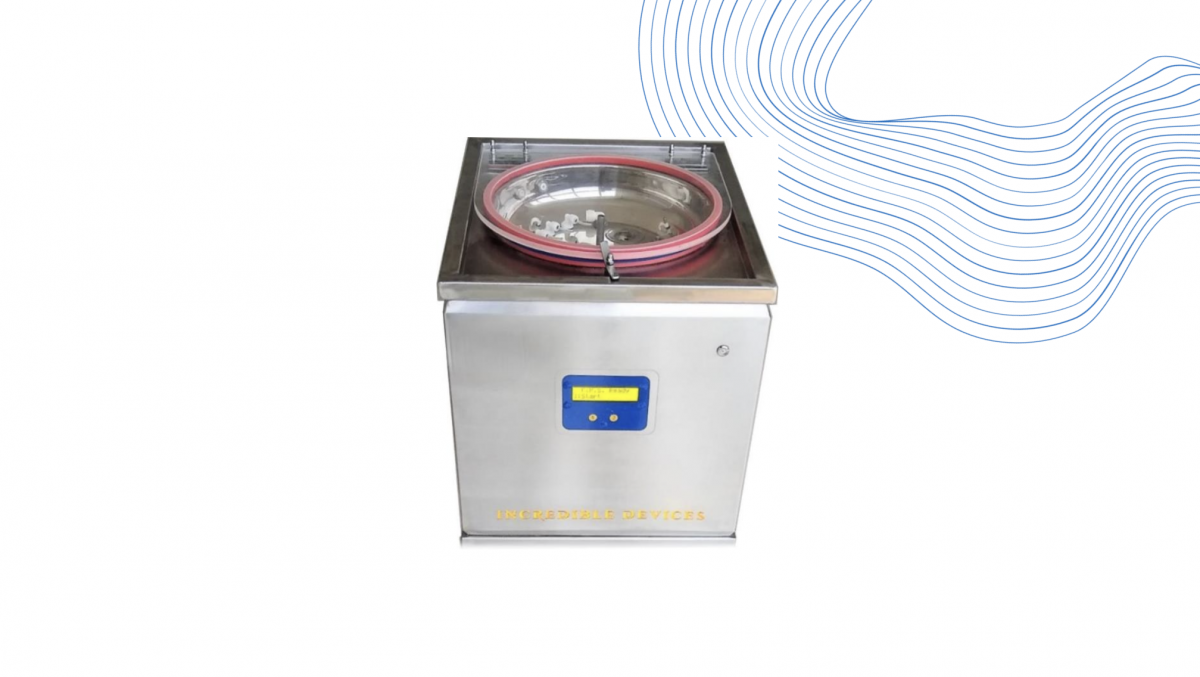
Incredible Devices, a medical devices startup, has developed an automatic computer-guided catheter reprocessing machine. The CRS (Catheter Reprocessing System) has an inbuilt computer that stringently monitors every process and, as per the company claims, effectively cleans catheters with precision and accuracy which is not possible with conventional manual methods. It helps to eliminate all kinds of human errors thereby ensuring the reusability of catheters leading to safe and affordable treatment.

The CRS can thus bring down the treatment cost for cardiovascular diseases by up to 55 percent by reducing the catheter replacement process by 80 percent. This technology has helped patients with poor economic backgrounds. It also reduces imports of catheters and balloons by 90% while also reducing biochemical waste.

The company with the support of Govt. of India & Singapore has also developed the ARS (Advanced Reprocessing System), which is a device that safely reprocesses essential medical devices like ventilator expiratory parts used on COVID patients and ensures doctor & patient safety amid the pandemic. It helps prevent Hospital Acquired Infection, Fungal VAP, and other infections spread through the use of unclean ventilators.

Categories
Innovator's Vista

How Smartphones are leading to Decentralization and Democratization of Diagnostics

Categories
Innovator's Vista

How Smartphones are leading to Decentralization and Democratization of Diagnostics

India is witnessing an unprecedented surge in demand for E-healthcare platforms post coronavirus outbreak. Several health tech startups have come up that are addressing various customer pain points.

Diagnostics is the starting point in healthcare delivery and is fundamental to all the steps thereon. The diagnostics industry is also not untouched by what is referred to as the fourth industrial revolution. Developments in the fields such as biotechnology, genetics, and nanotechnology, are leading to an accelerated rate of change that generates new and very disruptive technologies. With advances in genomics, personalized medicines, and patient-centric approaches, AI-based data-driven tests have the potential to address many customer pain points. These factors are forcing the clinical laboratories to adjust and change their processes.

India’s diagnostic industry is one of the fastest-growing services in the country estimated at USD 9bn (around INR 675bn), still, the industry is highly fragmented and under-penetrated. There are 1.1 lakh medical laboratories in the country, whose test reports determine over 70 percent of medical decisions and of these, just about 1,039 are accredited and around 80-85 percent of these labs are unorganised. There is a rising need for this scenario to change and a more user-friendly, better, and transparent service/delivery is available to the user.

India will have 1 billion smartphone users by 2026 with rural areas driving the sale of internet-enabled phones, a Deloitte study suggests. The country had 1.2 billion mobile subscribers in 2021, of which about 750 million are smartphone users. Smartphone‐based diagnostics thus has the potential to lead to decentralization and democratization of clinical laboratory tests. It can allow the delivery of precise diagnostics in remote areas and limited resource settings practically possible.

Some startups are using standard smartphone cameras and a dipstick for urine tests and an app to identify different health indicators. All the patient needs to do is take a photo of the dipstick against a color card, and the app then gives an instant analysis.

NeoDocs, a Mumbai based Startup, is working on this use-case. The company is using technologies such as Lateral Flow Assay and Colorimetric Assay for this. Lateral flow assays (LFAs) are the technology behind low-cost, simple, rapid, and portable detection devices. It is a paper-based platform for the detection and quantification of analytes in complex mixtures, where the sample is placed on a test device and the results are displayed within 5–30 min. Colorimetric Assay involves the generation of color by chemical/biochemical reaction between target analyte and reagents. The intensity of the resulting color can be quantified using imaging tools and processing software.

The computer imaging technology is used to analyze color-coded slides with a dipstick — a plastic strip treated with chemicals that changes color when dipped in a sample. The color-coded slide is then analyzed by the app using artificial intelligence and machine learning to perform medical tests in the cloud. To account for the type of camera, the lighting conditions, and other variables the app uses machine learning. The results of the tests are then automatically sent for clinical follow-up.

NeoDocs has started with urine-based tests that can be used for issues starting from Urinary Tract Infection, Pregnancy, nutrient deficiency, Chronic Kidney Disease, Jaundice, etc. It plans to expand to blood and saliva-based tests in the near future.


Open Innovator is a platform and service to discover the use cases and best-suited tech solutions in any enterprise or domain and engage with innovators and founders. Connect with us and Follow us for more updates on evolving use cases in various domains.