Categories
Applied Innovation

Green Propulsion Systems for Satellite

Categories
Applied Innovation

Green Propulsion Systems for Satellite

A satellite or spacecraft in orbit around the Earth or going through the solar system is subjected to extremely modest forces. As a result, many satellite propulsion systems require extremely precise impulses to correctly regulate the location or altitude of these objects.

Propellant


The propellant is a substance that spews from the back of the spaceship, providing propulsion, or a push forward to the spacecraft. The propellant is a type of fuel that is burnt with an oxidizer to create massive amounts of very hot gas. These gases expand until they rush out of the rocket’s rear, creating thrust. Because there is usually no actual opportunity to maintain these devices during their entire lifespan, reliability is critical. High performance is also required as better fuel systems give additional on-orbit lifespan.

Chemical Propulsion Systems


For these applications, chemical propulsion systems using monopropellant (single fluid) or bipropellant (two fluid) liquid rockets have been deployed. Conventionally, hydrazine-based fuels are utilized in the space shuttle and as a backup power supply. In the presence of a catalyst and heat, hydrazine separates and expands, producing the thrust required to move the satellite. Satellite propulsion is regulated by regulating the flow of hydrazine using valves. However, it is deemed harmful to humans who are in its vicinity. It is exceedingly poisonous, corrosive, and likely carcinogenic, in addition to being highly and quickly flammable. As a result, the fuel is accountable for the environmental consequences connected with its transportation, storage, and handling.

High hydrazine levels can cause a variety of health issues, including liver, kidney, and central nervous system damage. If hydrazine leaks while a satellite is still on the ground, the volatile and explosive characteristics of the substance might pose a public safety risk. Preparing a hydrazine-fueled satellite for orbit is a dangerous process that necessitates particular measures for everyone involved, such as space suit-like attire that ensures that if something goes wrong, the personnel handling the fuel do not breathe in the gas itself.

Green Propulsion System

More missions require propulsion as the industry expands, and new systems must be envisioned, designed, tested, and flight-proven. One such system employs green hydrogen peroxide (H2O2) propulsion for small satellites with a one-of-a-kind design. Reactive H2O2 vapor is vacuum-evaporated off the surface of the stored liquid in the thruster. The vapor then travels to a catalyst bed, where the hydrogen peroxide is quickly decomposed. The ensuing exhaust gases provide propulsion, which propels the spaceship forward.

One of our partners is working on building an agile, safe, affordable, and efficient Green Propulsion System with a novel fuel, engine, and engine catalyst to minimize satellite collisions in orbit and reduce debris pollution. The ability of satellites and other spacecraft to refuel, repair, or even add new capabilities while in orbit Their scientists are also working on extending the lifetime of these satellites with a bit of cooperation, and considering the expenses involved in lofting a new one.

Please write to us at open-innovator@quotients.com to know more about such innovative solutions and partnership opportunities.

Categories
Applied Innovation

IoT and AI solutions Build a Comprehensive Ecosystem for Smart Cities

Categories
Applied Innovation

IoT and AI solutions Build a Comprehensive Ecosystem for Smart Cities

More than half of the world’s population already lives in cities. According to projections, that figure will rise to two-thirds by 2050. This enormous change is ultimately due to the numerous options people have in cities to construct their own lives. Rising urbanization, however, brings new challenges: as cities expand, people’s wants and aspirations must be satisfied in environmentally friendly ways. This has resulted in the idea of a smart city that can address all of the aforementioned concerns.

A smart city uses information and communication technology (ICT) to increase operational efficiency, communicate information with the public, and improve the quality of government services and citizen welfare. Its principal objective is to use innovative technology and data analysis to optimize city activities and boost economic growth while increasing people’s quality of life. The value of technology is determined by how it is applied rather than how much technology is accessible.

The Elements of a Smart City

Meeting Energy Needs

Energy is one of the requirements for a well-functioning smart city. If a city does not have enough energy to sustain information and communication technology, its smart initiatives may collapse completely. Autonomous energy monitoring and maintenance technologies may be utilized to boost efficiency and provide critical functionality. Power generation and resource conservation must be optimized, while 5G may continually increase the efficacy of energy delivery. On the level of end users, autonomous energy monitors can assist them to reduce their energy requirements, easing the strain on the grid. Energy-dependent technologies can help a city meet its sustainability goals by lowering its energy demand.

Smart Transportation

Transportation has typically been one of the first arenas of smart innovation in cities throughout the world. An important public service needs careful reorganization based on massive volumes of data. Smart technologies like CAD/AVL can supply the required real-time data and act as the foundation for development.

On-demand services like ride-sharing are becoming increasingly popular as part of a global movement to improve the way public transportation provides value to users. Micro mobility is also becoming an important component of the mix, bridging first-mile/last-mile coverage gaps. Finally, although challenging to develop and sustain, MaaS pilots are expanding our understanding of how to integrate a city’s transportation system.

Reorganizing critical services

Many important city services, from water mains to toll systems, require reform. Cities may remodel their systems to enhance efficiency, preserve resources, and modify pricing as needed with the aid of next-generation sensors that feed real-time data into predictive algorithms.

Buildings and roadways must often be adapted to fulfill the demands of a smart ecosystem. Smart regulations for new buildings, on the other hand, may help us rebuild our cities over time.

Creating Communities

Finally, in a smart city, we must consider how inhabitants will engage with the technologies – and with one another. Harnessing the potential of citizen interaction is a critical component of the change. This may be accomplished through digital citizenship platforms, which not only serve as a point of meaningful interaction but also bring individuals together based on their interests, objectives, and engagement in the life of the city. Aside from polling people on specific concerns and providing a venue for feedback, city administration may encourage various behaviors connected to the betterment of urban environments and the creation of distinct communities. As a result, a more informed society will make better decisions, assuming personal responsibility for the community’s well-being.

Using Data to Advantage

The continuing smart revolution has taught us that no data is definitive – cities are continuously changing, and what is true now may not be true tomorrow. Cities must learn to be adaptable and to move fast when evidence indicates a need for change. The necessity for adaptability will become even more apparent in light of the impending climate catastrophe. Because resilience is founded on information, it is critical to pay attention to the changing requirements of cities and learn from the experiences of others.

Four Stages in Smart Cities

  • Data collection – Smart sensors placed across the city collect data in real-time.
  • Analysis: Data acquired by smart sensors is analyzed in order to get valuable insights.
  • Communication – The insights discovered during the analytical phase are shared with decision-makers via robust communication networks.
  • Action on Insights Generated – Cities employ data insights to develop solutions, enhance operations and asset management, and improve citizens’ quality of life.

Key technologies that make a smart city work

Internet of Things (IoT)

Cities are utilizing IoT, which allows them to gather data via sensors, connected devices, and intelligent networks, analyze the data, and gain important information in order to improve urban services, sustainability, safety, mobility, and transparency. IoT is primarily functioning in three sectors in cities: transportation and urban mobility, energy, and urban maintenance. It gives information about traffic and parking spots to individuals in order to simplify their movement and assist them to find a space to park their private vehicle. Cities save money on power costs and boost energy efficiency by linking street lights, for example, to an intelligent network that allows them to adapt their illumination to the demands of the time. It can also help to improve the situation of the city with comprehensive control of urban furniture and waste management.

Artificial Intelligence

Smart metering equipment for public gas, water, and electricity sources, as well as AI-enhanced monitoring devices, are examples of how AI is utilized in measurement and monitoring. One of the most essential advantages of this technology is its ability to do preventive maintenance. Municipalities can identify water leaks and prevent problems more immediately, allowing them to be resolved in less time. Another use of AI in smart cities is traffic control and enhancing citizen safety on the roadways. Furthermore, more and more AI-powered security cameras that go beyond video monitoring duties are being employed. They are cameras that can identify a vehicle’s license plate in order to restrict admission to the city and prohibit polluting vehicles from entering.

Geospatial Technology

Geospatial technology is used in smart cities to make urban environments more accessible and ecologically friendly, as well as to predict calamities that damage the ecosystem. This technology responds to residents’ requirements by providing solutions in transportation, power plants, water supply networks, civil protection, and public centers, among other areas. Geospatial information management and climate and environmental monitoring in cities increase environmental detection, prevention, response to climate disasters and extreme natural occurrences, and decision-making. In this way, this technology helps public administrations make better judgments about environmental management in their cities, allowing them to construct towns that are more devoted to the natural environment.

Blockchain technology

Blockchain technology has arrived to alter the world, and towns all around the world are counting on it. The Blockchain would be the technology that would enable cities to tackle the major difficulties that they face today, including participation, transparency, sustainability, competitiveness, corruption, and fraud. The researchers feel that a secure, transparent, and unchangeable technology such as Blockchain is required for this. The technology can be used to improve urban services and government. These are services that include several procedures and necessitate a high frequency of records and documentation, thus openness and security are critical. It will also enable to create an impartial, accessible, and secure information base with Blockchain in order to combat corruption and develop the required openness in public administration.

We have solutions for the technologies needed to develop the smart city you envision. Using our solutions you can get a centralized control and administration system for all information and data that can be created. In this manner, you can foresee the future and plan what is required to establish a genuinely smart city. Please do not hesitate to contact us at open-innovator@quotients.com if you have any questions.


Categories
Applied Innovation Industry 4.0

Robots for Inspection and Maintenance Application

Categories
Applied Innovation Industry 4.0

Robots for Inspection and Maintenance Application

Inspection and maintenance duties are essential in many industrial sectors, such as damaged infrastructure, tunnels, refineries, and old buildings. Companies spend billions of dollars every year on inspections and maintenance.

Mobile Robots


Mobile robots enable the automation of processes such as inspecting and maintaining situations that pose a risk to workers. There are hazardous or difficult-to-access situations for people, such as nuclear power plants, the chemical industry, where poisonous compounds are handled, or sites where there is a risk of collapse, among others. Mobile robotics can assure operator safety and penetrate difficult-to-reach areas. They can also assist to reduce the cost of operations and mistakes caused by weariness or bad environmental conditions. This has led to an increase in the demand for AMR (Autonomous Mobile Robots) both for end users and for R&D projects in recent years.

Robotic Crawlers

Robotic Crawlers provide a simple and rapid restricted space inspection option as part of a routine maintenance and monitoring operation. These robots use a distinctive track design to get access to locations that are just unattainable with existing technology. Crawlers are useful for routine or emergency inspections at petrochemical plants, nuclear power plants, hydroelectric facilities, refineries, and other facilities. This durable inspection robot’s adaptability provides an all-in-one solution for small and medium-sized pipes, tanks, boreholes, or other restricted locations where a downhole camera is required. Anyone who has to undertake remote visual inspections in restricted locations with limited access should consider adding these robots to their NDT toolset. There are several setup choices available to discover how this works.

Climbing Robots


Climbers are portable, remote-controlled machines that can ascend practically any vertical or inverted surface. Because they are handled securely from the ground, people are not exposed to perilous heights or toxic environments. Climbing robots must be built based on the intended duties and application sector. These factors determine whether locomotion principles or adhesion systems are appropriate, as well as the size of the robot. Such devices can scale walls, tanks, ships, building structures, dams, and towers, among other things. There are several configurations available according to their work and application.

Underwater Robots


Underwater robots help with inspections, repairs, and upkeep. These autonomous robotic vehicles eliminate the requirement for manually controlled surface boats. They feature a narrow, flexible shape that allows them to traverse great distances and do light inspection, maintenance, and repair tasks underwater in limited locations. The robots which are outfitted with a variety of important sensors and equipment may be put on both current and new fields. They can be used for visual examination, cleaning, and operating valves and chokes, among other things. This system allows for significant savings in subsea inspection and intervention expenditures, as well as time spent on inspections, repairs, and maintenance.

Inspection and maintenance robots can find applications in industries such as Petrochemical, Oil & Gas, Nuclear, Mining, and in Municipal and Underwater applications. We have solutions for all the mentioned applications and more, to access more information on these solutions please write to us at open-innovator@quotients.com


Categories
Applied Innovation Industry 4.0

Self-driving Robots for Industrial Automation

Categories
Applied Innovation Industry 4.0

Self-driving Robots for Industrial Automation

Autonomous vehicles (AVs) have long caught the attention of futurists and technology enthusiasts, as indicated by constant research and development in autonomous vehicle technologies over the last two decades.

Rapid advancements in robotics, artificial intelligence, computer vision, and edge computing capabilities are culminating in robots that may be able to think, see, hear, and move. AVs in the form of self-driving vehicles have generated both enthusiasm and fierce rivalry among automakers and technology firms.

Self-driving vehicle prototypes outfitted with lidars, radars, cameras, and ultrasonic sensors — as well as hefty computational powers beneath the hood to detect and avoid obstacles — are becoming prevalent in many places. We are now on the verge of fast deployment of advanced autonomous vehicle technologies in industrial applications, and the convergence of the Internet of Things (IoT) and AV technologies is set to re-make and re-imagine industries.

Rapid automation in e-commerce distribution centers and industrial facilities has resulted in a vibrant subset of robotic logistics centered on supply chains and automated material transportation. A combination of variables, including but not limited to a spike in e-commerce, mass customization of items, technological improvements, and shifting economics in supply chains, has resulted in a surge in demand for automation in materials handling.

We offer some products based on the use of technologies such as computer software and robotics to control machinery and processes to perform specific functions. Some of these are described below that can be used to achieve digital factory goals in a time-bound manner.

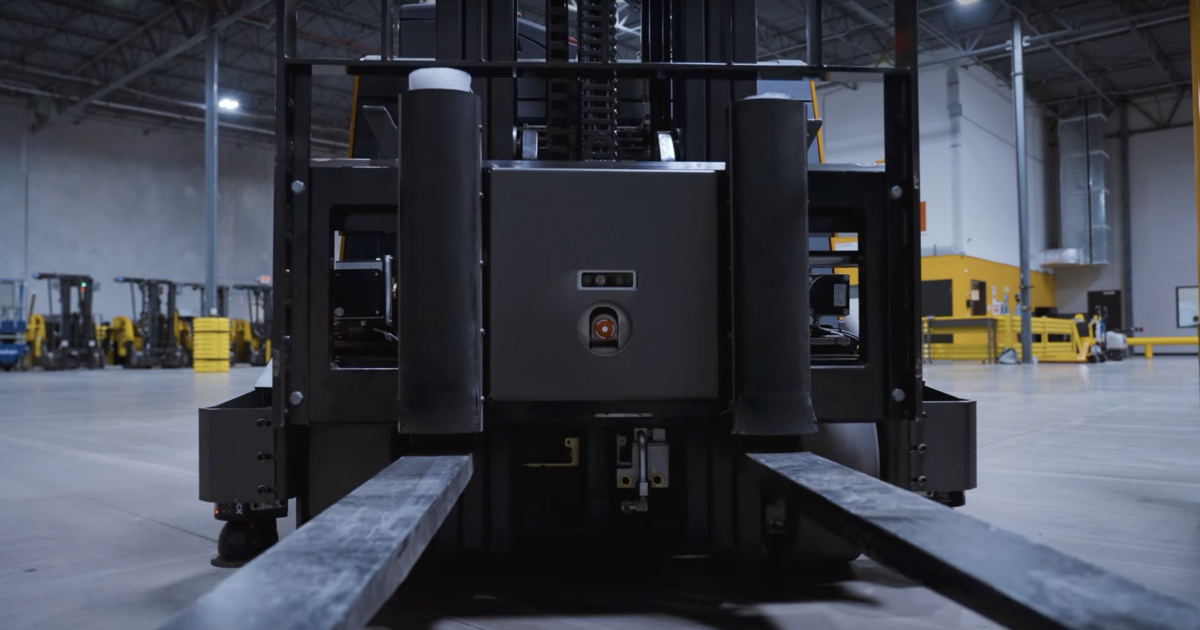
Autonomous Forklift: An autonomous forklift that is appropriate for material delivery applications in warehouses or manufacturing plants, as well as outdoors. It can move easily on asphalt, concrete, and cemented walkways.

It has a payload capacity of 2 Tonne/ 3 Tonne/ 5 Tonne for various circumstances and can lift goods up to a height of 3 Meter. It is a counterbalanced forklift that performs well on slopes and uneven floor surfaces.

Autonomous Pallet Transfer Robot: We also offer a self-driving industrial-grade pallet transfer robot capable of automatically carrying a payload of 1000 kg/2000 kg. It has dual 3D cameras located in the front and back. The back 3D camera aids with accurate pallet localization and a safe alignment technique for lifting pallets from the ground.

Autonomous Trolley Transporter Robot: With this, we also have an autonomous trolley transporter robot, an industrial-grade model designed for autonomous trolley transportation. It can move carts of various sizes and weights ranging from 100 kg to 2000 kg by attaching to them from beneath. It has 3D camera-based trolley localization and safely align technology, which allows it to accurately fasten the trolleys from beneath. The robot has a fully autonomous guiding system with dynamic obstacle avoidance.

To know more about these solutions and for product demo please write to us at open-innovator@quotients.com

Categories
Applied Innovation Industry 4.0

Robotic arms capable of perceiving, comprehending, and operating any item in any environment

Categories
Applied Innovation Industry 4.0

Robotic arms capable of perceiving, comprehending, and operating any item in any environment

For many established sectors, the previous several years have been transformative. The COVID inflection point has accelerated the trend of ICT adoption that had been steadily trickling into these traditional sectors.

Making Manufacturing Smarter

There have been a few tech adoptions in the industrial sector, but none have come close to the capabilities that deeptech (AI, IoT, and ML) has in making manufacturing smarter.

The most difficult problem in our market is to provide the best products and services at the lowest possible cost in the shortest amount of time. IoT and AI are opening up new options for the sector to improve service, reduce downtime, and raise efficiency while lowering production costs.

Manufacturers may access additional assets, acquire business insights from accurate data in real-time, and improve day-to-day operational efficiency and production performance using AI & IoT apps and sophisticated data analytics.

Robotic Innovations

Robotic innovations have had a favorable influence across fields, particularly in the industrial business. For years, industrial robots have played an important role in assisting manufacturing organizations in streamlining their workflow, closing skill gaps and addressing the labor issue, increasing production, and maintaining accuracy and consistency.

Visually Intelligent Robots

Enabling robots to conduct the Picking, Orienting, and Placing of goods directly from their containers has long been regarded as The Holy Grail of Robotics.

Visually Intelligent Robots can be the next big thing and may have a great impact on the manufacturing industry by simplifying automation. The robots now used in the manufacturing sector are unable to see and thus can not assist in Object Manipulation. AI/ML limited to just the color & depth of an object has been a challenging problem for this.

Visual Object Intelligence Platform

We have a solution for this: a visual object intelligence platform that allows industrial robotic arms to perceive, comprehend, and operate any item in unstructured surroundings.

We offer a system that adds the missing components of Visual Intelligence to Robotic Arms, allowing them to be Object aware and manage objects with more agility – adjusting to varied forms, orientations, and weights. 

This has the potential to reduce and standardize massive, bespoke production lines into LEGO blocks of micro-factories. Some of the tasks it can perform like Picking and Placing Untrained Objects from Any Untrained Picking and Placing a Variety of Objects Orientation.

Our robots can work on a wide range of items without any prior training thanks to the patented vision and intelligence layers. This serves as the foundation for universal object manipulation and, by extension, labor automation.

The platform is driven by modern technology and can distinguish between sight and vision. It enables robots with human-like eyesight and adaptability to grab even Mirror-Finished items without any pre-training (a feat that existing ML systems are incapable of accomplishing). It employs technologies such as Auto-Focus Liquid Lens Optics, Optical Convergence, Temporal Imaging, Hierarchical Depth Mapping, and Force-Correlated Visual Mapping for achieving this result.

These intelligent robots can grasp the aspects of an item and re-orient them based on their needs. The AI and Machine Learning algorithms assist robotic arms in processing tasks even in unstructured environments and aligning them in the best way feasible. These are also cost-effective and robust, and dependable.

The platform can find application in the manufacturing sector and may also assist warehouses, logistics, and industrial kitchens streamline duties. To know more about this solution and for product demo please write to us at open-innovator@quotients.com

Categories
Applied Innovation Healthtech

Machine Learning Model Accelerates Antibody Therapy Development

Categories
Applied Innovation Healthtech

Machine Learning Model Accelerates Antibody Therapy Development

Therapeutic antibodies

Therapeutic antibodies are currently a popular type of medication having great efficacy and few negative effects. These are biopharmaceuticals that are designed to elicit a biological response.

These medications make use of antibodies, which are key participants in our body’s immune system. Individual assaults on specific antigens are feasible by leveraging the specificity of each antibody, which detects just one antigen. It isn’t easy to create and optimize therapeutic antibodies. Once an antibody that binds to the proper antigen is found, it goes through a time-consuming and resource-intensive optimization procedure.

Recently, computational techniques for dealing with such challenges have begun to follow machine learning paradigms, notably deep learning in many cases. This paradigm change improves known domains like structure or binding prediction while also opening up new possibilities like language-based modeling of antibody repertoires or machine-learning-based synthesis of novel sequences.

Machine Learning Algorithm aid Antibody Therapy Development

Researchers have now created a machine learning algorithm to aid in the optimization phase of antibody therapy development.
A few thousand therapeutic candidates can be tested in a lab using automated techniques. Machine learning has the potential to boost the first set of antibodies to be tested by millions. The more candidates there are to pick from, the more likely one will fit all of the requirements for medication development.

AI-enabled antibody design platform

We have innovators that develop, more effective antibody therapeutics for patients by combining machine intelligence and synthetic biology to create safer. We critically explore recent advances in (deep) machine learning techniques to therapeutic antibody design, with implications for completely computational antibody creation, in this review. Our AI-enabled antibody design platform provides the necessary technology to rapidly and reliably develop these game-changing medicines.

In each cycle, our machine learning algorithms generate hundreds of variations that are created and evaluated in our lab utilizing the most advanced synthetic biology technology. The biophysical features and influence on disease activity of each mutation are measured using cell-based or other functional tests that reproduce in vivo disease processes.

This fresh data is utilized to upgrade the AI/ML models so that these models learn to manufacture antibodies that fit our design blueprint across numerous cycles. For additional information on this solution as well as cooperation and partnership opportunities, please contact us at open-innovator@quotients.com.

Categories
Applied Innovation Healthtech

Digital Surgery Platform that makes surgery smarter and safer

Categories
Applied Innovation Healthtech

Digital Surgery Platform that makes surgery smarter and safer

COVID-19 has accelerated the implementation of digital technology and procedures in healthcare, a positive development for patients, clinicians, and health systems alike. One of many areas impacted is the surgical procedures which used to remain fragmented and where most of the innovation occurred in silos that frequently did not interact or link effectively enough with one another.

But medical treatments are now achieving health results that were previously unattainable due to the invasive nature of conventional surgery, without jeopardizing the patient’s recovery, thanks to improved, connected, more intuitive, and efficient care made possible by revolutionary digital instruments.

Digital Surgery

Robotics, virtual and augmented reality, and artificial intelligence (AI) all hold the potential of data-driven precision surgery, with the ultimate objective of enhancing patient outcomes, surgical performance, and the productivity and efficiency of surgeons and their teams.

The definition of digital surgery as the use of technology to improve preoperative planning, surgical performance, therapeutic assistance, or training in order to improve outcomes and decrease damage received unanimous approval.

Digital technology use is not restricted to the operating room; it currently plays a role in areas as diverse as preoperative planning, surgical risk prediction, and surgical performance assessment. Commercial potential and the promise of better results for surgeons and patients are driving the rapid adoption of these technologies.

Digital Surgical Platform

We offer a digital surgery platform that provides actionable insights to make surgery smarter and safer. The digital surgery platform analyses massive amounts of real-world data in and around the operating room (OR) using proprietary software and artificial intelligence (AI).

This real-world evidence may be used by the care team in real-time during surgery and viewed by others outside the operating room via the platform’s dedicated telehealth link. Following a procedure, the platform provides insights that assist surgeons in benchmarking and improving their care, hospital administrators in making better use of surgical resources, medical device companies in developing better products, and insurance companies in understanding risk and developing more tailored policies.

For additional information on such solutions and emerging use cases in other areas, as well as cooperation and partnership opportunities, please contact us at open-innovator@quotients.com

Categories
Applied Innovation Industry 4.0

Visual Inspection System improving Production Process

Categories
Applied Innovation Industry 4.0

Visual Inspection System improving Production Process

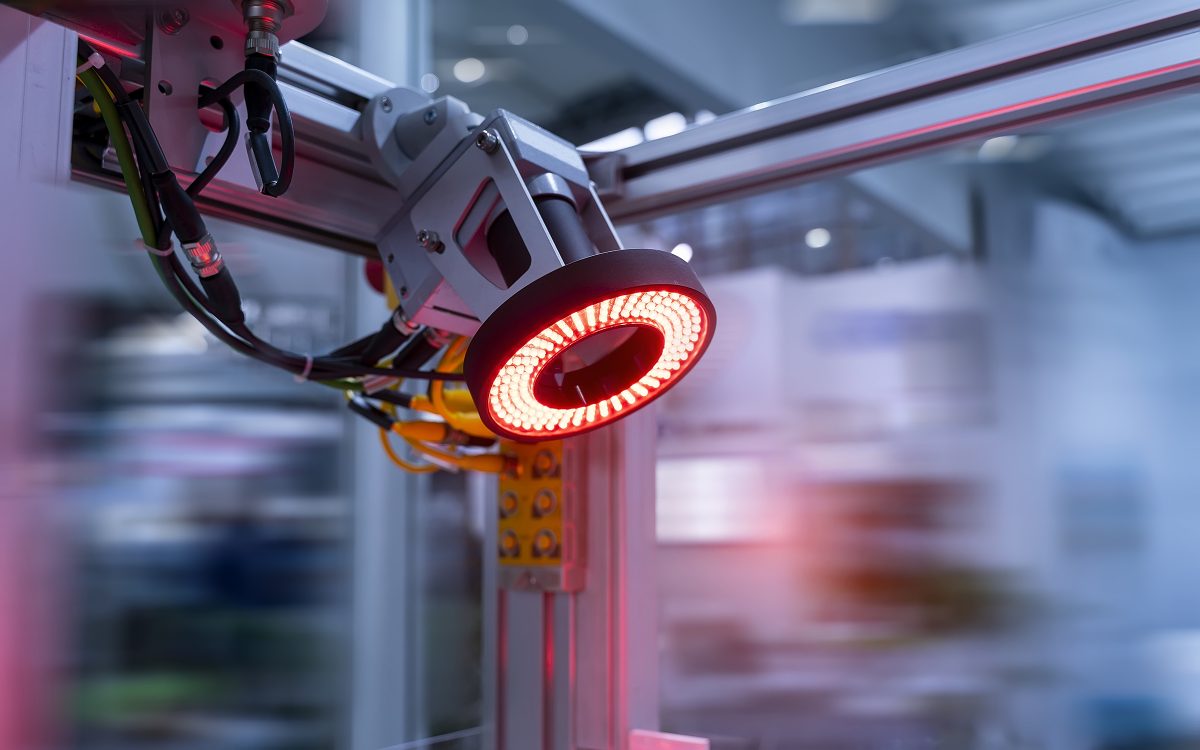
Manufacturing operations attempt to provide the greatest level of quality at all stages of the manufacturing or assembly process. This requires quality checks that need visual confirmation to verify that the pieces are in the correct places, have the correct form, color, or texture, and are free of flaws such as scratches, pinholes, foreign particles, and so on. Because of the volume of inspections and product variation, as well as the fact that flaws can appear anywhere on the product and be of any size, automating these visual quality checks is extremely challenging.

A visual inspection enables the production process to be improved. The vision inspection system has sensors and cameras and relies upon computer vision technology. A visual inspection machine compares two objects in order to provide a response or result. For performing the comparison, vision inspection systems contain all of the information required to categorize all of the items included in the inspection.

To decide which elements will pass the comparison and which will fail, the visual inspection machine incorporates photographs of past tests that were deemed successful. The cases of ideal elements, the elements to be classed, and those that will pass the tests are included in the system, both visually and by information from another class. Those elements that are included through images serve as a guide to be able to compare all the others, as stated earlier this is the visual comparison.

Visual comparison occurs when one piece is placed next to another, observed from multiple perspectives, and able to produce some form of link between them. The qualities to be compared are observed from various perspectives, first to make them correspond in their orientation and allow for a more accurate comparison, or it may also be accomplished by re-creating the photos in 3D format, superimposing one over the other, and describing the differences.

We have solutions for object recognition, fault detection, and process control. Our visual defect and dimensional sorting solutions for a variety of items deliver high productivity with excellent product handling and better inspection efficiency. These solutions are designed with the customer’s needs in mind and are highly customizable to the user. It is combined with cutting-edge in-house software that is dependable and accurate, resulting in the best final product.

Some key features of the solution are:

– Real-Time Monitoring
– Resident Database SQL
– Remote Control and Setting
– Vision Software Programmable by User
– Statistical Reports easily accessible through UI
– Machine Vision Software
– Accuracy up to ±10 microns
– Support for multiple Camera units
– Run as a Turn-Key system
– Simple Setup and Adjustments
– Short Setup Time for multiple codes

To learn more about this product and how you can use it to grow your business, increase productivity, improve quality, and create a better working environment for your employees, please contact us at open-innovator@quotients.com
.

Categories
Applied Innovation Healthtech

Federated Learning for Medical Research

Categories
Applied Innovation Healthtech

Federated Learning for Medical Research

Federated Learning (FL), Artificial Intelligence (AI), and Explainable Artificial Intelligence (XAI) have emerged as the most popular and fascinating technologies in the intelligent healthcare industry.

The traditional healthcare system is centered on centralized agents providing raw data. As a result, this system still has significant risks and problems. When combined with AI, the system would consist of several agent collaborators capable of successfully connecting with their intended host.

Federated Learning, a novel distributed interactive AI paradigm, holds promise for smart healthcare since it allows several clients (such as hospitals) to engage in AI training while ensuring data privacy. FL’s noteworthy characteristic is that operates decentralized; it maintains communication based on a model in the selected system without exchanging raw data.

The combination of FL, AI, and XAI approaches has the potential to reduce the number of restrictions and issues in the healthcare system. As a consequence, the use of FL in smart healthcare might speed up medical research using AI while maintaining privacy.

The Federated Learning approach may be used to provide several enticing benefits in the development of smart healthcare. Local data, for example, are not necessary for training. To train other machine learning algorithms by mixing a large number of local datasets without transmitting data. During training, local Machine Learning (ML) models are trained on local heterogeneous datasets.

When opposed to traditional centralized learning, FL is also capable of delivering a good balance of precision and utility, as well as privacy enhancement. FL may also help to reduce communication costs, such as data latency and power transmission, connected with raw data transfer by avoiding the dumping of huge data quantities to the server.

We have solutions that use FL to link life science enterprises with world-class university academics and hospitals in order to exchange deep medical insights for drug discovery and development. The platform enables its partners to uncover siloed datasets while maintaining patient privacy and securing proprietary data by leveraging federated learning and cutting-edge collaborative AI technologies. This enables unprecedented cooperation to enhance patient outcomes by sharing high-value knowledge.

The platform has built a worldwide research network driven by federated learning, allowing data scientists to securely connect to decentralized, multi-party data sets and train AI models without the need for data pooling. When combined with fields of medicine specializing in diagnosis and treatment, scientists may use cutting-edge technology platforms to build potentially life-changing drugs for people all over the world.

For additional information on such solutions and emerging use cases in other areas, as well as cooperation and partnership opportunities, please contact us at open-innovator@quotients.com

Categories
Applied Innovation Healthtech

Artificial intelligence revolutionizing drug discovery and development

Categories
Applied Innovation Healthtech

Artificial intelligence revolutionizing drug discovery and development

Incredible medical discoveries are revolutionizing our ability to treat and even cure patients; but, drug discovery and development is becoming more difficult and costly, leaving many patients without viable medicines.

Simultaneously, throughout the last decade, a revolution in machine learning has enabled answers to issues that were formerly deemed intractable. Machine learning approaches can currently caption photos, translate across languages, and identify voices at or above human performance levels.

One of the systems utilized in AI is neural networks, which may be used to identify chemical structures with medicinal significance. A neural network uses a large set of training data containing information about the chemical structure-biological activity relationship, which is preceded by successful neural network training and acquisition of relevant information about chemical compounds, functional groups, and their possible biological activity.

The data is derived through experimental observations as well as from relevant quantum models. There were constraints in biological data a few years ago – while access to huge, rich data sets has spurred machine learning’s development, such data sets are still rare in biology, where data collection remains essentially artisanal. Recent advances in cell biology and bioengineering are now allowing us to change this by facilitating the generation of huge volumes of biological data. Besides, researchers have revealed that neural networks have a substantial capacity to create generalizations based on even very restricted training data.

Pipelines for drug discovery and development are lengthy, complicated, and dependent on a variety of factors. Machine learning (ML) techniques offer a collection of tools that can enhance discovery and decision-making for well-specified queries with a large amount of high-quality data. Opportunities to use ML arise at various phases of drug development.

Instead of depending on restricted “discovered” data, we have solutions that use contemporary biology technologies to build high-quality, huge data sets designed for machine learning, allowing us to unleash the full power of modern computational methodologies.

Our solutions are created by professional biologists and drug hunters who collaborate with cutting-edge technologists and machine learners. A group of life scientists and data scientists, software engineers, process engineers, bioengineers, translational scientists, and drug hunters are collaborating to answer problems that we would never have thought to ask on our own.

For additional information on such solutions and emerging use cases in other areas, as well as cooperation and partnership opportunities, please contact us at open-innovator@quotients.com