







Emerging technologies are potent catalysts for innovation in a variety of industries. They are altering established sectors, opening up new avenues for growth, sustainability, and societal advancement. What distinguishes these discoveries is their potential to synergize—collaborating to tackle complicated issues and expedite scientific discovery. From artificial intelligence to biotechnology, these advancements are changing the way businesses operate, healthcare is given, and society function. The convergence of many technologies is not only increasing efficiency, but also providing solutions to global concerns such as climate change, resource management, and fair access to services. This age symbolizes a watershed moment in history, with technology being profoundly interwoven in everyday life and future advancement.
Artificial Intelligence and Machine Learning
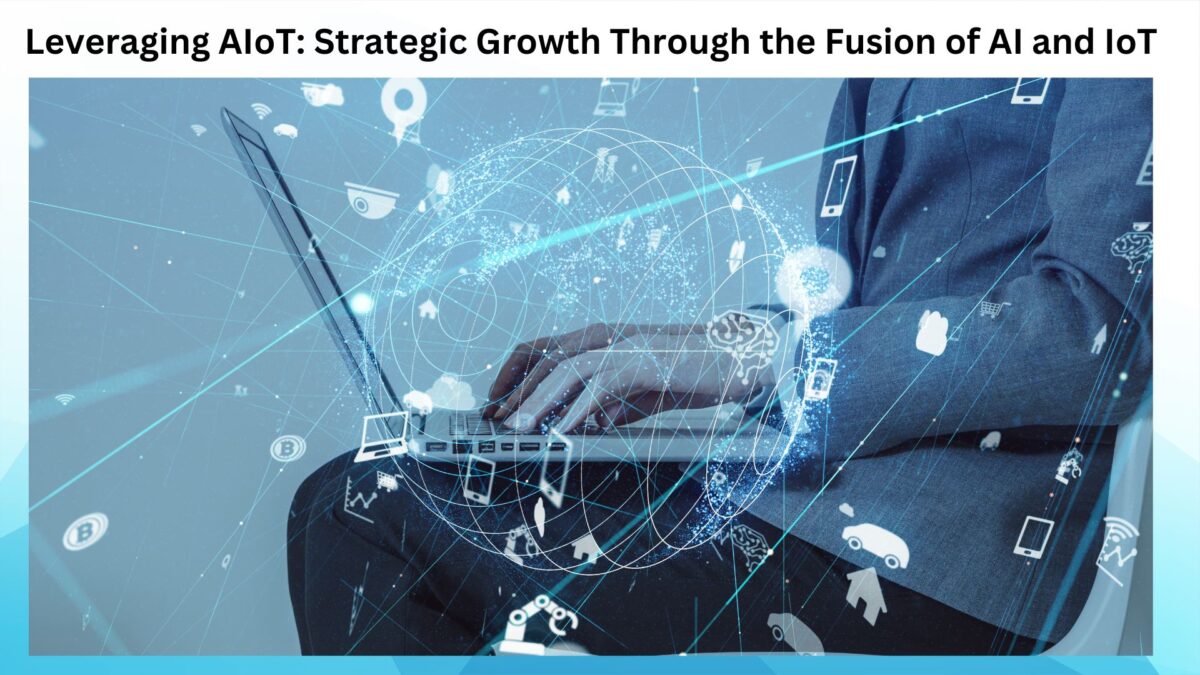
In near future, artificial intelligence (AI) will continue to drive innovation in healthcare, finance, manufacturing, and other fields. AI systems today excel at deep learning, natural language processing, and autonomous decision-making. These features enable highly tailored services, more intelligent automation, and real-time adaptive algorithms. For example, AI-powered diagnostics improve medical imaging accuracy, whereas AI-powered automation optimizes supply chains to cut costs and boost efficiency. The integration of AI with other technologies, such as the Internet of Things (IoT) and big data, broadens its influence. Real-time analytics and predictive modeling are now commonplace, allowing firms to anticipate difficulties and make better decisions faster. AI is the true foundation of digital transformation.
Quantum Computing: Unlocking Unprecedented Power
By next few years, quantum computing will have advanced dramatically, with processing capability much exceeding that of traditional computers. These machines can tackle previously insurmountable scientific and industrial difficulties, such as molecular simulations for new materials or pharmaceutical development. Quantum technology is also transforming cryptography and cybersecurity, allowing for secure, hacker-resistant communication pathways. The combination of quantum computing, artificial intelligence, and data science is creating new opportunities for study and innovation. Scientists can now examine enormous datasets at unprecedented speeds, resulting in advances in climate modeling, medicine development, and financial forecasts. Quantum computing is transforming industries and generating innovation on a scale never before seen.
Advanced Robotics: Precision and Adaptability
Robotics has advanced dramatically in 2025, with humanoid robots and autonomous systems becoming prevalent in industry, healthcare, logistics, and customer service. These robots are outfitted with powerful sensors, AI algorithms, and agile manipulators, allowing them to execute complicated tasks with precision and agility. In healthcare, robotic assistants help with surgeries and eldercare, improving outcomes and increasing access to care. Robots perform repetitive and hazardous work in industries, increasing safety and productivity. Logistics companies are employing self-driving robots to speed up deliveries, while customer care bots offer tailored assistance. The integration of robotics and AI provides continuous learning and adaptation, resulting in increased efficiency over time. Robotics is no longer a future concept; it is a practical solution that shapes daily operations.
Biotechnology and Healthcare Innovation
In 2026, biotechnology will experience a renaissance driven by AI, gene editing, and nanotechnology. Precision medicine is becoming more prevalent, with therapies personalized to people based on their genetic profiles. AI speeds drug discovery, cutting development time from years to months. Synthetic biology is developing sustainable bio-based materials and energy sources to address urgent environmental issues. Nanotechnology is offering targeted medicines with fewer side effects and better patient outcomes. Wearable gadgets and remote monitoring systems are two examples of digital health solutions that are increasing access to healthcare services and empowering people to control their health proactively. Together, these breakthroughs are transforming healthcare, making it more personalized, efficient, and accessible to people all around the globe.
5G and Future Connectivity
In 2026, the introduction of 5G networks will transform connectivity, allowing for the spread of IoT and real-time data sharing. This ultra-fast, low-latency communication infrastructure serves as the foundation for smart cities, self-driving vehicles, and immersive experiences such as virtual and augmented reality. Improved connectivity promotes seamless integration of devices and systems, hence improving urban management, logistics, and customer engagement. 5G enables businesses to make faster decisions and provide better consumer experiences. Individuals benefit from more advanced digital interactions and technologies. The combination of 5G with edge computing ensures that data is handled near to where it is created, eliminating delays and increasing efficiency. Future connectivity is more than just speed; it is about creating a fully interconnected digital ecosystem.
Cross-Industry Transformations
Emerging technologies will drive cross-industry reforms like sustainable technologies, blockchain, and immersive technologies. Sustainable technologies such as renewable energy, energy storage, and eco-friendly materials are reducing the impact of climate change. Artificial intelligence improves renewable energy integration into power grids, while new materials promote long-lasting, environmentally friendly products. Blockchain technology enables transparent supply chains, secure digital identities, and decentralized financing (DeFi), eliminating reliance on central authority and improving confidence. Immersive technologies, such as virtual and augmented reality, are being used for training, remote collaboration, and design, in addition to entertainment.
These technologies let users to interact with digital surroundings in the same way as they would with physical ones, increasing efficiency in manufacturing, education, and healthcare. Together, these transformations are changing sectors and generating new prospects for long-term prosperity.
Convergence of Technologies
The most significant advancements in near future will arise at the junction of multiple new technologies. AI mixed with biotechnology is speeding up medication discovery and precision medicine. Quantum computing, along with materials science, enables the development of new materials with distinct features. IoT integration with edge computing increases productivity in smart cities and industrial automation.
This convergence leads to more sophisticated applications and faster problem-solving across sectors. It also addresses complicated global issues like disinformation, pollution, and health disparities. Working together, these technologies reinforce each other’s capabilities, resulting in solutions that are bigger than their individual pieces. Convergence is the true catalyst for disruptive innovation in this century.
Societal and Ethical Considerations
While developing technologies provide numerous benefits, they also create serious societal and ethical concerns. Privacy, security, and equal access concerns must be addressed to enable responsible growth. AI systems, for example, must be transparent and free of prejudice in order to avoid unfair outcomes. Quantum computing and blockchain provide new issues for cybersecurity and governance. Biotechnology poses issues of genetic privacy and ethical boundaries in gene editing. Policymakers, corporations, and communities must work together to create frameworks that combine innovation with accountability. Transparent governance, ethical standards, and equitable access are critical for achieving positive outcomes while mitigating dangers. Technology must serve humanity responsibly, ensuring that progress benefits everyone, not just a chosen few.
A Future of Empowerment
The year marks a watershed moment in history, with technological progress changing the fabric of society and industry. These developments, fueled by the synergistic evolution of AI, quantum computing, biotechnology, robots, and connectivity, promise a future of increased efficiency, sustainability, and human empowerment. Emerging technologies are more than just tools; they enable transformation by tackling global concerns and offering new opportunities for progress. As sectors adapt and society embrace these changes, the emphasis must be on responsible innovation and ethical governance. The convergence of technologies guarantees that progress is comprehensive, effective, and inclusive. The future is being made now, and it is propelled by the boundless possibilities of developing technology.
Reach out to us at open-innovator@quotients.com or drop us a line to delve into the transformative potential of groundbreaking technologies. We’d love to explore the possibilities with you.