






Understanding AI Agents in Today’s World
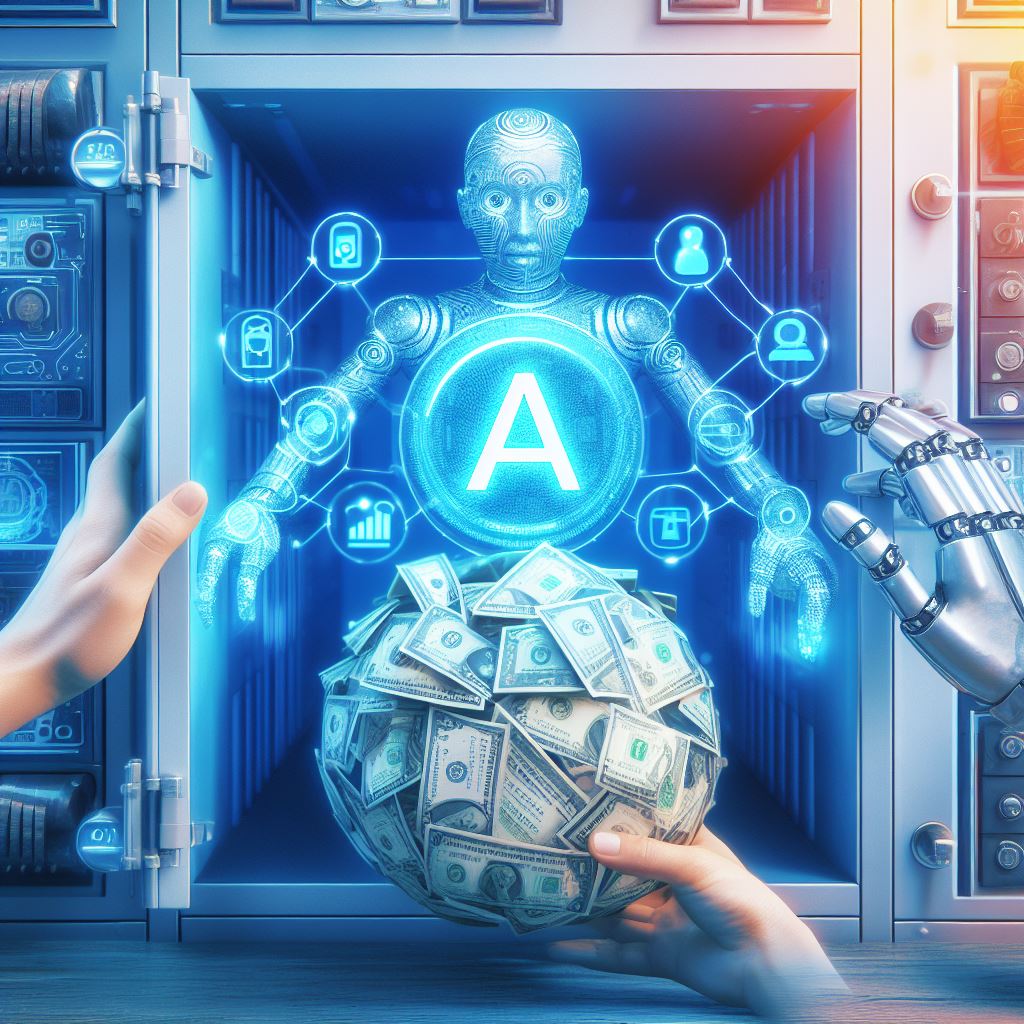
Artificial Intelligence agents are software systems designed to act independently, make decisions, and interact with humans or other machines. They learn, adapt, and react to changing circumstances instead of merely following predetermined instructions like traditional algorithms do. Because of their independence, they are effective instruments in a variety of fields, including finance and healthcare. But it also raises serious questions about their security and handling of sensitive data. Understanding how AI agents affect security and privacy is now crucial for fostering trust and guaranteeing safe adoption as they grow more prevalent in homes and workplaces.
Large volumes of data are frequently necessary for AI agents to operate efficiently. Based on the data they process, they identify trends, forecast results, and offer suggestions. Personal information, financial records, or even proprietary business plans can be included in this data. They are helpful because of this, but there are risks as well. Malicious actors may be able to access the data stored in an agent if it is compromised. The difficulty is striking a balance between the advantages of AI agents and the obligation to safeguard the data they utilize. Their potential might easily become a liability in the absence of robust safeguards.
The emergence of AI agents also alters how businesses view technology. Network and device protection used to be the primary focus of security. It now has to include intelligent systems that represent people. These agents have the ability to manage physical equipment, make purchases, and access many platforms. Attackers may utilize them to do damage if they are not well secured. This change necessitates new approaches that include security and privacy into AI agents’ design from the start rather than adding them as an afterthought.
Security Challenges in the Age of AI
The unpredictability of AI agents is one of their main problems. Their behavior is not always predictable due to their capacity for learning and adaptation. Because of this, it is more difficult to create security systems that can foresee every eventuality. For instance, while attempting to increase efficiency, an agent trained to optimize corporate operations may inadvertently reveal private information. These dangers emphasize the necessity of ongoing oversight and stringent restrictions on what agents are permitted to accomplish. Security needs to change to address both known and unknown threats.
The increased attack surface is another issue. AI agents frequently establish connections with a variety of systems, including databases and cloud services. Every connection is a possible point of entry for hackers. The entire network of interactions may be jeopardized if one system is weak. Hackers may directly target agents, deceiving them into disclosing information or carrying out illegal activities. Because AI agents are interconnected, firewalls and other conventional security measures are insufficient. Organizations need to implement multi-layered defenses that track each encounter and confirm each agent action.
Access control and identity are also crucial. Strong identification frameworks are necessary for AI agents, just as humans need passwords and permits. Without them, it becomes challenging to determine which agent is carrying out which task or whether an agent has been taken over. Giving agents distinct identities promotes accountability and facilitates activity monitoring. When used in conjunction with audit trails, this method enables organizations to promptly identify questionable activity. In the agentic age, machines also have identities.
Privacy Concerns and Safeguards
A significant concern with AI agents is privacy. These systems frequently handle personal data, including shopping habits and medical records. Inadequate handling of this data may result in privacy rights being violated. An agent that makes treatment recommendations, for instance, might require access to private medical information. This information could be exploited or shared without permission if appropriate precautions aren’t in place. Ensuring that agents only gather and utilize the minimal amount of data required for their duties is essential to protecting privacy.
Building trust is mostly dependent on transparency. Users need to be aware of the data that agents are accessing, how they are using it, and whether they are sharing it with outside parties. People are more at ease with AI agents when there is clear communication. Additionally, it enables them to decide intelligently whether to permit particular behaviors. In addition to being required by law under rules like GDPR, transparency is a useful strategy to guarantee that users maintain control over their data.
Control and consent are equally crucial. People ought to be able to choose whether or not to share their data with AI agents. Additionally, they must to be able to modify parameters to restrict an agent’s access. A financial agent might, for instance, be permitted to examine expenditure trends but not access complete bank account information. Giving users control guarantees that agents work within the bounds established by the clients they serve and that privacy is protected. Every AI system needs to incorporate this privacy-by-design concept.
Balancing Innovation with Responsibility
Organizations face the difficulty of striking a balance between innovation and accountability. AI agents have a great deal of promise to enhance client experiences, decision-making, and efficiency. However, they might also produce hazards that outweigh their advantages if appropriate precautions aren’t taken. Businesses need to develop a perspective that views security and privacy as facilitators of trust rather than barriers. They may unleash innovation while retaining user credibility by creating agents that are safe and considerate of privacy.
One of the best practices is to incorporate security into the design process instead of leaving it as an afterthought. This entails incorporating safeguards into an agent’s architecture and taking possible hazards into account before deploying it. Layered protections, ongoing monitoring, and robust identity systems are crucial. Simultaneously, data minimization, anonymization, and openness must be prioritized in order to protect privacy. When taken as a whole, these steps lay the groundwork for AI agents to function in a responsible and safe manner.
Another important component is education. The dangers of AI agents and the precautions taken must be understood by both users and developers. A safer ecosystem can be achieved by educating users about their rights, instructing developers to integrate privacy-by-design, and training staff to spot suspicious activity. Raising awareness guarantees that everyone contributes to safeguarding security and privacy. In the end, people who utilize and oversee AI bots are just as important as the technology itself.
Building a Trustworthy Future
Trust is essential to the future of AI agents. Adoption will increase if users think that their data is secure and if agents behave appropriately. However, trust will crumble if privacy abuses or security breaches become widespread. Because of this, it is crucial that organizations, authorities, and developers collaborate to build frameworks and standards that guarantee safety. Governments and businesses working together can create regulations that safeguard people while fostering innovation.
An essential component of this future is governance. The design, deployment, and monitoring of agents must be outlined in explicit policies. Legal foundations are provided by laws like India’s DPDP Act and Europe’s GDPR, but enterprises need to do more than just comply. They must embrace moral values that put user rights and the welfare of society first. AI agents are a force for good rather than a source of danger because governance guarantees responsibility and guards against abuse.
In the end, AI agents signify a new technological era in which machines intervene on behalf of people in challenging situations. We must include security and privacy into every facet of its use and design if we are to succeed in this era. By doing this, we can maximize their potential and steer clear of their dangers. The way forward is obvious: responsibility and creativity must coexist. AI agents won’t be able to genuinely become dependable partners in our digital lives until then.
Reach out to us at open-innovator@quotients.com or drop us a line to delve into the transformative potential of groundbreaking technologies. We’d love to explore the possibilities with you