




Categories
Applied Innovation

Building Energy Management Systems: The Future of Sustainable Energy Efficiency

Categories
Applied Innovation

Building Energy Management Systems: The Future of Sustainable Energy Efficiency

In a time when energy usage is a major concern for both economic and environmental reasons, Building Energy Management Systems (BEMS) have become essential solutions for commercial buildings. By monitoring and optimizing energy use, these systems combine multiple operational components, allowing businesses to drastically cut expenses and improve sustainability.

What is a Building Energy Management System (BEMS)?

A commercial building’s lighting, fire safety, HVAC (heating, ventilation, and air conditioning), and other equipment are all integrated into a single software platform by a Building Energy Management System (BEMS). The facility’s overall energy consumption can be thoroughly monitored and managed thanks to this interconnection. Effective management using BEMS can result in significant cost savings and energy efficiency improvements, frequently ranging from 10% to 30%, as energy and utility expenditures account for about 40% of a commercial office building’s overall operating expenses.

Key Components of BEMS

BEMS is made up of hardware and software elements that cooperate to offer control and insights:

• Sensors: These gadgets provide real-time data on environmental parameters including temperature, humidity, and occupancy levels.
• Controllers: Using data inputs, they manage how lighting, HVAC systems, and other equipment operate.
• Data Management Systems: To aid in decision-making, these systems gather, examine, and display data from sensors and controllers.
Visualization Tools: Dashboards provide an easy-to-use interface for tracking system performance and energy usage.

How BEMS Works

Strong hardware connections are necessary for BEMS to collect operational data and function properly. A Building Management System (BMS), which centralizes control of multiple building systems, is usually the source of this data.

The BMS, which consists of several sensors and controls connected to the building’s infrastructure, is the foundation of building management. The majority of BMS systems communicate via wired connections, including twisted pair wires. Through thorough data collecting and analytics, the system improves energy management capabilities when paired with a BEMS. It analyzes patterns in energy use by obtaining data from the BMS and utility companies. After processing, this data yields insightful information that can be used to benchmark performance, enhance indoor conditions, and lower energy usage, all of which contribute to more sustainable and effective building operations.

BEMS Workflow Example

Consider a situation where a smart building systems is keeping an eye on the air conditioning system in a building. In the event that an alert is set out that suggests a possible cooling valve malfunction, the BEMS examines temperature and pressure change data. The system identifies the problem and suggests a fix, such as checking the valve for damage or making sure it is operating properly, if the anticipated drop in temperature and rise in differential pressure are not observed.

Core Benefits of Implementing BEMS

There are many benefits to implementing intelligent energy systems, especially in energy-intensive areas like HVAC systems, which use around 40% of building energy. These are the main advantages:

Energy Efficiency and Cost Savings: By continually monitoring energy use and enabling real-time adjustments, smart building systems optimizes resource utilization. Because inefficiencies are quickly found and fixed, this skill results in large operational cost reductions.

Improved Building Performance: BEMS raises occupant comfort and productivity by preserving ideal environmental conditions. The systems make sure that energy is used effectively by modifying settings in response to real-time occupancy data. Predictive maintenance tools can also foresee problems before they become serious, reducing downtime and expensive repairs.

Fault Detection and Diagnosis (FDD): When compared to manual inspections, advanced analytics in BEMS offer better fault detection capabilities. The system minimizes the need for manual troubleshooting and expedites maintenance procedures by precisely identifying problems.

Environmental Impact: In line with more general sustainability objectives, efficient energy management with BEMS helps to lower carbon emissions. By implementing a BEMS, buildings can improve stakeholder communication and environmental compliance while obtaining green certifications.

Regulatory Compliance: In order to comply with standards BEMS helps building operators record energy use and efficiency measures. In addition to saving energy, this connection enhances sustainability reporting and operational effectiveness.

Challenges in Implementing and Operating a BEMS

Smart Energy Management Systems offer numerous benefits, but their installation and operation can present a number of difficulties. A BEMS must be compatible with current Building Management Systems (BMS) in order to be effective, and it must be possible to access high-quality data from all critical endpoints in order to reach its full potential. Inaccurate assessments and lost chances for efficiency improvements might result from incomplete data, which frequently calls for system updates. Furthermore, since maintaining maximum performance necessitates developing expertise and frequent system interaction, efficient use of a BEMS requires thorough training and continuous team support.

Future Trends in BEMS

The future of Building Energy Management Systems (BEMS) is being shaped by a number of trends as technology develops further: deeper insights into energy usage and efficiency will be provided by improved data analytics; AI and machine learning algorithms will improve predictive maintenance capabilities by identifying potential system failures before they occur; the growing demand for energy-efficient buildings will have a significant impact on real estate decisions as tenants prioritize sustainability; and the integration of renewable energy sources like solar and wind is anticipated to facilitate a more sustainable energy mix.

Takeaway

Building energy management systems, which optimize energy use and improve building operations, have evolved from basic manual controls to complex, AI-driven solutions. Beyond only increasing operating efficiency right away, a BEMS can help achieve sustainability objectives, comply with regulations, and enhance occupant comfort. Organizations are urged to think about introducing or improving their BEMS as the field of building management changes. In addition to providing benefits right away, this calculated investment sets up buildings for future technology developments. Adopting BEMS is a step toward a sustainable, intelligent, and future-ready infrastructure, not only a move toward energy efficiency.

Contact us at innovate@quotients.com to schedule a consultation and explore the transformative potential of this innovative technology.


Categories
Applied Innovation

The Rise of Robo-Advisory Services: A Revolution in Financial Planning

Categories
Applied Innovation

The Rise of Robo-Advisory Services: A Revolution in Financial Planning

The financial advising industry is rapidly changing due to robo-advisory services. These cutting-edge tools provide financial planning and automated investment management with little assistance from humans. They are revolutionizing the personal finance industry by using sophisticated algorithms to deliver personalized recommendations based on each client’s risk tolerance and financial objectives.

What is Robo-Advisory?

Digital services that offer algorithm-driven financial management are known as robo-advisory platforms. First, users complete an online survey that evaluates their risk tolerance, investing objectives, and financial status. The robo-advisor uses this information to create and automatically manage a diversified investment portfolio, usually using mutual funds or exchange-traded funds (ETFs). The investment process is streamlined and made more widely available by this automation.

Key Features of Robo-Advisors

Automation is one of the most notable characteristics of robo-advisors. They reduce the need for direct human engagement by handling everything from tax-loss harvesting to portfolio rebalancing. As a result, the investment process is both economical and efficient. Robo-advisor fees are often less than 0.4% per year, which is lower than those of traditional financial advisors. Retail investors can engage without needing a sizable amount of capital because many platforms have minimal or no minimum investment requirements.

Additional capabilities like goal tracking, tailored suggestions, and socially conscious investing choices are also provided by certain robo-advisors. These services improve the user experience overall by meeting the demands and preferences of a broad spectrum of investors.

Types of Robo-Advisory Services

Based on the degree of customization and human involvement they offer, robo-advisors can be divided into different categories. After the first setup, fully automated services handle investments without the need for user participation. However, for more complicated financial demands, hybrid models combine automated services with human adviser access. Goal-based advice services are also available, with the aim of assisting clients in reaching particular financial goals by using customized investment plans.

Benefits of Robo-Advisors

The efficiency of robo-advisors is a significant advantage. They can process vast amounts of data quickly, enabling optimal investment choices based on historical performance and market conditions. This reduces the reliance on emotional decision-making, which can often lead to poor investment choices. By using algorithms instead of human judgment, robo-advisors minimize emotional bias and provide more consistent and rational investment strategies.

Another benefit is the user-friendly nature of these platforms. Designed to be intuitive, many robo-advisors feature mobile apps that allow users to manage their investments easily from anywhere. This accessibility and convenience make them particularly appealing to tech-savvy investors.

Limitations of Robo-Advisors

Even with all of their benefits, robo-advisors aren’t for everyone. They might not be able to handle complicated financial issues like estate planning or complex tax techniques. Additionally, some users might miss the individualized attention and compassion that a human counselor can offer. Because of these drawbacks, robo-advisors might not be the greatest option for people with more complicated financial needs, even though they are great for a lot of investors.

In personal finance, robo-advisory services are becoming more and more popular, particularly among tech-savvy investors looking for economical and effective solutions to manage their money. These platforms are anticipated to grow increasingly more advanced as technology advances, possibly increasing their service offerings and enhancing user experience.

To sum up, robo-advisory is a revolutionary method of wealth management, not just a trendy term. Robo-advisors are democratizing access to superior investment management by fusing the accuracy of algorithms with the usability of digital platforms. This transition to technology-driven financial advising represents a step toward a more sophisticated, inclusive, and effective financial environment. The future of personal finance will continue to be significantly shaped by robo-advisors as more investors rely on technology for their financial requirements.

Contact us at innovate@quotients.com to schedule a consultation and explore the transformative potential of this innovative technology.
Categories
Applied Innovation

Telecom’s AI Revolution: How Generative AI is Transforming Connectivity and Customer Experience

Categories
Applied Innovation

Telecom’s AI Revolution: How Generative AI is Transforming Connectivity and Customer Experience

Telecommunications is undergoing a rapid transformation thanks to emerging technologies like 5G, the Internet of Things (IoT), machine learning (ML), and artificial intelligence (AI). Among these, generative AI has become a disruptive force that is helping telecom companies improve user experiences and streamline operations.

A branch of artificial intelligence known as “generative AI” is capable of producing original content, including dialogues, narratives, and visuals, by using patterns discovered in data. Generative AI learns from a variety of data sets to comprehend input and produce new outputs, in contrast to classical AI, which works on input-output processes using massive datasets. Because of this feature, it is especially useful in the telecom sector, which is always changing to satisfy the demands of both businesses and consumers.

Generative AI’s Significance in Telecom

Generative artificial intelligence is poised to revolutionize the telecom sector. Telecom firms cannot afford to ignore this revolutionary trend, which has the ability to completely reinvent communication and connectivity. Among the many advantages of generative AI are increased operational effectiveness, better consumer experiences, and stronger security protocols.

Some of the use cases that are emerging that are set to revolutionize the telecom industry in near future includes:

Optimization of Dynamic Networks: Generative AI optimizes resource allocation by identifying network bottlenecks through autonomous data analysis using machine learning. This feature improves telecom networks’ overall dependability and performance.

Improving Customer Service using AI Chatbots: Chatbots with AI capabilities respond to consumer questions instantly, increasing customer happiness and freeing up human agents to work on more difficult jobs.

Predictive Maintenance: Through proactive maintenance, generative AI lowers operating costs and service downtime by predicting equipment faults based on past data.

Measures for Cybersecurity: Generative AI keeps an eye on shifts in consumer behavior to spot new dangers, bolstering security measures against online attacks and safeguarding private information.

Analytics-Based Data-Driven Strategy: By identifying patterns in huge datasets, generative AI helps telecom firms make better decisions and be more flexible.

Current Developments and Prospects for Telecom Generative AI

The telecom industry’s generative AI market is anticipated to expand due to a number of causes.

Savings on Power: By increasing efficiency and optimizing energy use, generative AI can assist telecom companies in lowering their operational expenses and carbon footprints.

Improved Functions: Telecom firms may boost innovation and competitiveness while simplifying operations and cutting complexity by integrating MLOps and No Code solutions.

Enhanced Performance of Mobile Towers: By improving mobile infrastructure management, generative AI guarantees peak performance and dependability.

Takeaways

By enhancing cybersecurity, customer service, and operational efficiency, generative AI is revolutionizing the telecom sector. For telecom firms hoping to take the lead in this fast-paced sector, generative AI integration is essential. The revolutionary potential of generative AI is evident as we look to the future. Businesses who use these AI capabilities will be in a strong position to innovate and adjust, which will guarantee their success in a market that is changing quickly.

Contact us at innovate@quotients.com to schedule a consultation and explore the transformative potential of this innovative technology.

Categories
Applied Innovation

Understanding and Implementing Responsible AI

Categories
Applied Innovation

Understanding and Implementing Responsible AI

Our everyday lives now revolve around artificial intelligence (AI), which has an impact on everything from healthcare to banking. But as its impact grows, the necessity of responsible AI has become critical. The creation and application of ethical, open, and accountable AI systems is referred to as “responsible AI.” Making sure AI systems follow these guidelines is essential in today’s technology environment to avoid negative impacts and foster trust. Fairness, transparency, accountability, privacy and security, inclusivity, dependability and safety, and ethical considerations are some of the fundamental tenets of Responsible AI that need to be explored.

1. Fairness

Making sure AI systems don’t reinforce or magnify prejudices is the goal of fairness in AI. skewed algorithms or skewed training data are just two examples of the many sources of bias in AI. Regular bias checks and the use of representative and diverse datasets are crucial for ensuring equity. Biases can be lessened with the use of strategies such adversarial debiasing, re-weighting, and re-sampling. One way to lessen bias in AI models is to use a broad dataset that covers a range of demographic groupings.

2. Transparency

Transparency in AI refers to the ability to comprehend and interpret AI systems. This is essential for guaranteeing accountability and fostering confidence. One approach to achieving transparency is Explainable AI (XAI), which focuses on developing human-interpretable models. Understanding model predictions can be aided by tools such as SHAP (SHapley Additive exPlanations) and LIME (Local Interpretable Model-agnostic Explanations). Furthermore, comprehensive details regarding the model’s creation, functionality, and constraints are provided by documentation practices like Model Cards.

3. Accountability

Holding people or organizations accountable for the results of AI systems is known as accountability in AI. Accountability requires the establishment of transparent governance frameworks as well as frequent audits and compliance checks. To monitor AI initiatives and make sure they follow ethical standards, for instance, organizations can establish AI ethics committees. Maintaining accountability also heavily depends on having clear documentation and reporting procedures.

4. Privacy and Security

AI security and privacy are major issues, particularly when handling sensitive data. Strong security measures like encryption and secure data storage must be put in place to guarantee user privacy and data protection. Additionally crucial are routine security audits and adherence to data protection laws like GDPR. Differential privacy is one technique that can help safeguard personal information while still enabling data analysis.

5. Inclusiveness

AI security and privacy are major issues, particularly when handling sensitive data. Strong security measures like encryption and secure data storage must be put in place to guarantee user privacy and data protection. Additionally crucial are routine security audits and adherence to data protection laws like GDPR. Differential privacy is one technique that can help safeguard personal information while still enabling data analysis.

6. Reliability and Safety

AI systems must be dependable and safe, particularly in vital applications like autonomous cars and healthcare. AI models must be rigorously tested and validated in order to ensure reliability. To avoid mishaps and malfunctions, safety procedures including fail-safe mechanisms and ongoing monitoring are crucial. AI-powered diagnostic tools in healthcare that go through rigorous testing before to deployment are examples of dependable and secure AI applications.

7. Ethical Considerations

The possible abuse of AI technology and its effects on society give rise to ethical quandaries in the field. Guidelines for ethical AI practices are provided by frameworks for ethical AI development, such as the IEEE Global Initiative on Ethics of Autonomous and Intelligent Systems. Taking into account how AI technologies will affect society and making sure they are applied for the greater good are key components of striking a balance between innovation and ethical responsibility.

8. Real-World Applications

There are several uses for responsible AI in a variety of sectors. AI in healthcare can help with disease diagnosis and treatment plan customization. AI can be used in finance to control risks and identify fraudulent activity. AI in education can help teachers and offer individualized learning experiences. But there are drawbacks to using Responsible AI as well, such protecting data privacy and dealing with biases.

9. Future of Responsible AI

New developments in technology and trends will influence responsible AI in the future. The ethical and legal environments are changing along with AI. Increased stakeholder collaboration, the creation of new ethical frameworks, and the incorporation of AI ethics into training and educational initiatives are some of the predictions for the future of responsible AI. Maintaining a commitment to responsible AI practices is crucial to building confidence and guaranteeing AI’s beneficial social effects.

Conclusion

To sum up, responsible AI is essential to the moral and open advancement of AI systems. We can guarantee AI technologies assist society while reducing negative impacts by upholding values including justice, accountability, openness, privacy and security, inclusivity, dependability and safety, and ethical concerns. It is crucial that those involved in AI development stick to these guidelines and never give up on ethical AI practices. Together, let’s build a future where AI is applied morally and sensibly.

We can create a more moral and reliable AI environment by using these ideas and procedures. For all parties participating in AI development, maintaining a commitment to Responsible AI is not only essential, but also a duty.

Contact us at innovate@quotients.com to schedule a consultation and explore the transformative potential of this innovative technology.

Categories
Events

Cloud Computing Experts Unite for “Innovation in Cloud Compute” Session

Categories
Events

Cloud Computing Experts Unite for “Innovation in Cloud Compute” Session

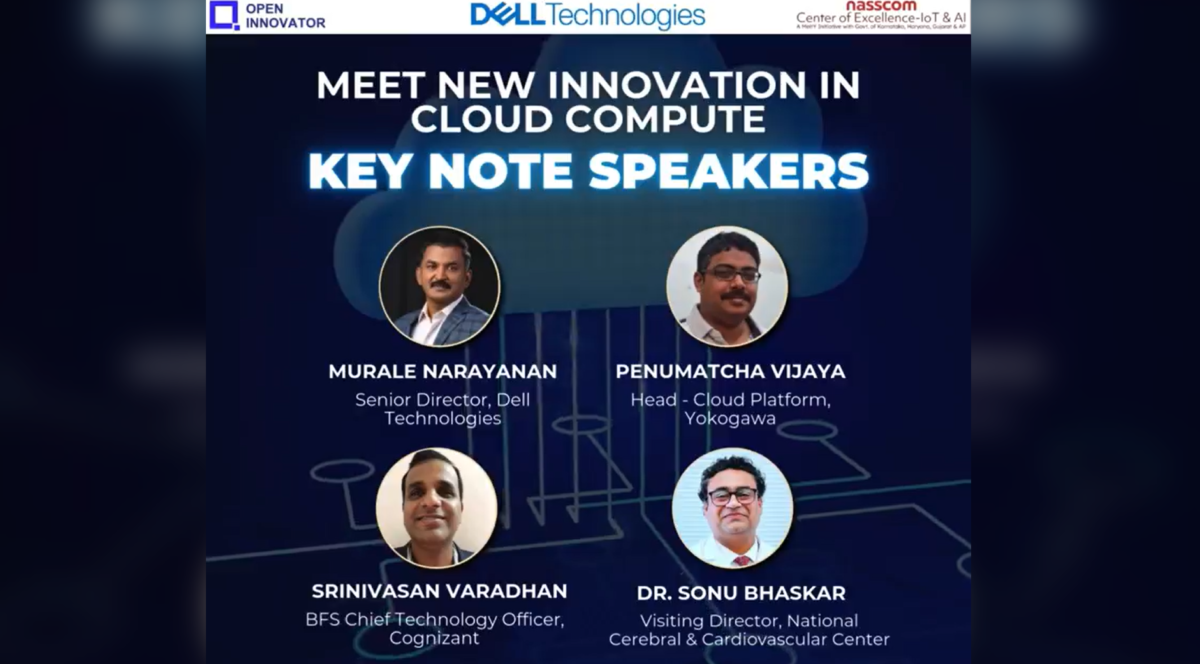
In a remarkable showcase of expertise and insight, industry leaders gathered for the “Innovation in Cloud Compute” session, hosted in collaboration with Dell Technologies. The event brought together prominent figures, including Murale Narayanan, Penumatcha Vijaya Rama Raju, Srinivasan Varadhan, and Dr. Sonu Bhaskar, all of whom shared their vision on the transformative power of cloud computing.

The session attracted a diverse audience eager to explore actionable strategies for harnessing cloud technology to enhance business operations. From the outset, attendees were captivated by the discussions on critical topics shaping the future of enterprise technology.

One of the standout themes was the rapid growth of the cloud market, projected to reach $376 billion by 2029. With 92% of enterprises adopting multicloud strategies, the urgency for businesses to embrace cloud solutions has never been clearer. Panelists emphasized that shifting to the cloud can lead to substantial cost savings—averaging 30% to 50%—while also significantly reducing energy consumption.

Security emerged as another focal point, particularly in hybrid cloud environments. As organizations navigate the complexities of managing data across various platforms, experts highlighted best practices for data management, including encryption and multi-layer security strategies. This is especially crucial as businesses strive to protect sensitive information in an increasingly interconnected world.

The session also featured innovative startups like Frga Cloud, which aims to simplify Kubernetes management—a rapidly growing area in the cloud landscape. Their solutions address the steep learning curve associated with Kubernetes, making it more accessible to organizations looking to leverage this powerful technology.

The event fostered an engaging atmosphere that encouraged interaction among participants. The relaxed format, free from tedious presentations, allowed for lively discussions and networking opportunities, making the experience both informative and enjoyable.

As the session wrapped up, attendees expressed excitement about the future of cloud technology and the insights gained during the event. The discussions not only illuminated the current landscape but also set the stage for ongoing conversations about the challenges and opportunities that lie ahead.

The “Innovation in Cloud Compute” session marked a significant milestone in fostering collaboration and knowledge sharing within the industry, reinforcing the importance of continuous learning and adaptation in the ever-evolving realm of cloud computing. As businesses continue to explore the limitless possibilities of this technology, the insights from this event will undoubtedly play a crucial role in shaping their strategies for success.
Categories
Events

Open Innovator Concludes Knowledge Session on Generative AI in Decision-Making

Categories
Events

Open Innovator Concludes Knowledge Session on Generative AI in Decision-Making

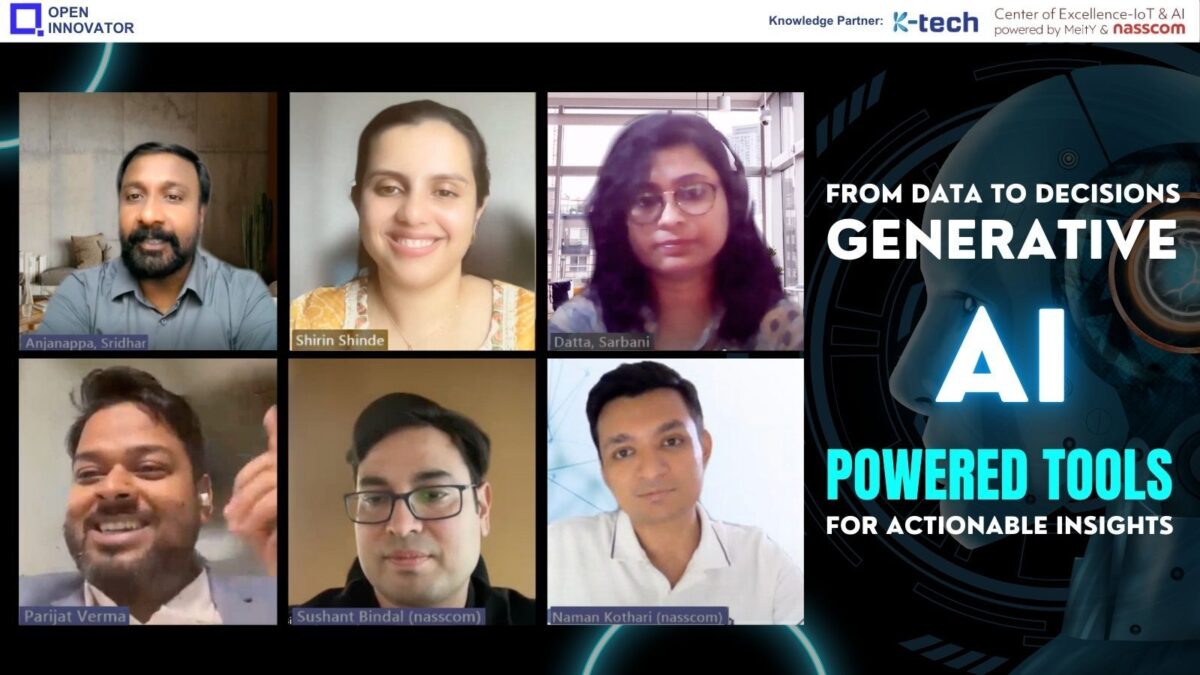
Open Innovator successfully concluded its recent Knowledge Session titled “From Data to Decisions: GenAI-Powered Tools for Actionable Insights,” leaving attendees with transformative insights poised to influence the future of decision-making in various industries.

The session featured industry experts, including Sridhar Anjanappa, Shirin Shinde, Parijat Verma, and Sarbani Datta, who shared their expertise and facilitated impactful conversations about the integration of Generative AI (GenAI) in business strategies. Attendees expressed gratitude for the valuable discussions that highlighted the challenges and opportunities presented by GenAI technologies.

A significant highlight of the event was the exclusive startup pitches from GenAI innovators, showcasing advancements in sustainable automotive solutions. Companies like Alphaa AI, LEGOAI Technologies, and dataeaze systems demonstrated their innovative approaches to harnessing AI for real-world applications.

The Knowledge Session also included a detailed YouTube presentation titled “Data to Decisions: Transformation through Generative AI.” This video explored the role of GenAI as a personal data assistant, emphasizing its capability to transform vast data sets into meaningful insights. Experts such as Sani Data and Suant Bindal discussed the importance of GenAI across various sectors, including mining and healthcare, and addressed the necessity for unbiased AI systems capable of processing real-time data.

The session shed light on the staggering amount of data generated globally—projected to reach 181 zettabytes by 2025—and how organizations currently utilize only a fraction of it. Discussions highlighted the need for effective integration of GenAI within existing data analytics frameworks, stressing the importance of collaboration among stakeholders to ensure alignment and efficiency.

Looking ahead, Open Innovator encourages ongoing engagement with their community, promising more insights and knowledge-sharing sessions in the future. Attendees and interested parties can look forward to bite-sized highlights from the discussions via Open Innovator’s platforms.
Categories
Events

Circular Economy in Auto Mobility: A Knowledge Session on Sustainable Innovation

Categories
Events

Circular Economy in Auto Mobility: A Knowledge Session on Sustainable Innovation

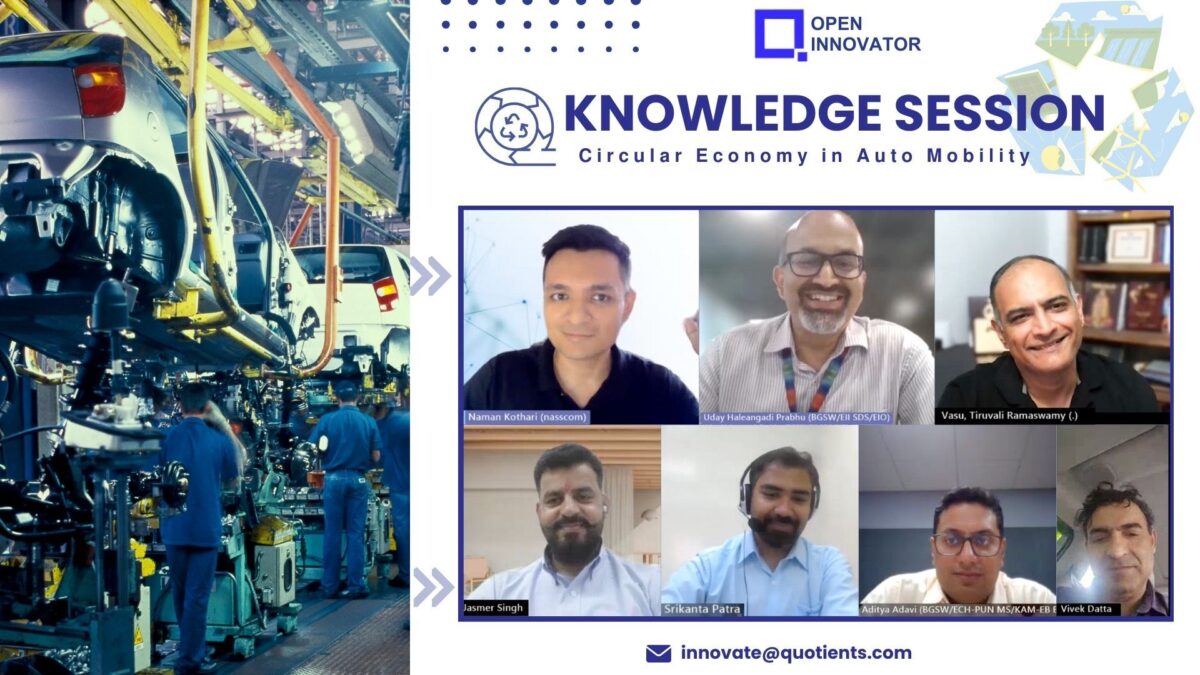
The recent Open Innovator session titled “Knowledge Session on Circular Economy in Auto Mobility introduced the concept of the circular economy as a transformative approach to automotive sustainability. The session gathered industry leaders and innovators to discuss how circular economy principles can reshape the automotive sector, focusing on areas like design for serviceability, refurbishment, recycling, and sustainable battery management.

The speakers emphasized the potential of circular economy models to extend the life cycles of vehicles, allowing them to undergo multiple iterations of use rather than ending up in landfills. This shift could lead to a remarkable 70% reduction in material costs, presenting a compelling case for automotive engineers, sustainability experts, policymakers, and investors interested in sustainable mobility.

The session featured insights from prominent speakers, senior directors from Ford Motors, and representatives from Toyota and the NASSCOM Center of Excellence. Sanjeev Malhotra from NASSCOM kicked off the discussion, stressing the importance of sustainability in innovation and inviting input from Bosch representatives on how these discussions are shaping their organizational strategies.

A key focus of the session was the need to transition from traditional linear economic models to more sustainable circular frameworks. Speakers highlighted informal recycling practices in places like Bangalore as examples of how the automotive industry could scale up these efforts into a comprehensive cradle-to-cradle economy. This approach emphasizes not only recycling but also redesigning the value stream of automotive development, promoting resource reuse and minimal waste.

The discussion also delved into the challenges impeding the adoption of circular economy practices in the automotive sector. Financial regulatory pressures and technological limitations emerged as significant barriers, with speakers advocating for enhanced data extraction from manufacturing processes and addressing social, economic, and environmental impacts to facilitate the transition.

Innovative companies were spotlighted for their contributions to the circular economy. Abishek from Batx Energies discussed their role as the largest black mass producer in India, focusing on battery recycling and metal extraction from end-of-life batteries. BETX, another key player, highlighted their recycling capabilities and efforts to refurbish batteries to meet the growing demands of the electric vehicle market.

The session also emphasized the critical role of collaboration in achieving circularity. Representatives from companies like Bosch discussed the importance of creating a predictable ecosystem for electrification, with a focus on battery recycling and data sharing to build trust among manufacturers.

Volkswagen’s commitment to improving their ESD ratings through vehicle life cycle management and Toyota’s focus on sustainable investments in Indian startups further illustrated the industry’s shift toward circular practices. The representatives stressed the need for continuous innovation and collaboration among stakeholders to realize the full potential of circular economy strategies.

In conclusion, the “Knowledge Session on Circular Economy in Auto Mobility” provided a rich platform for exploring the future of automotive sustainability. With a clear emphasis on innovation, collaboration, and addressing the challenges of transitioning to a circular economy, industry leaders expressed optimism about the road ahead. As the automotive sector embraces these principles, it paves the way for a more sustainable and economically viable future in mobility

Categories
Events

LLM Turbocharge: Optimizing for Widespread Impact

Categories
Events

LLM Turbocharge: Optimizing for Widespread Impact

In a recent Open Innovator Session titled “LLM Turbocharge: Optimizing for Widespread Impact industry leaders convened to explore the transformative potential of Large Language Models (LLMs) and their applications across various sectors, including healthcare, finance, and research. Organized by Open Innovator, a platform dedicated to connecting innovators, industry leaders, and investors to accelerate groundbreaking solutions, the event aimed to inspire attendees—from tech enthusiasts to business leaders—by showcasing real-world applications of LLMs and addressing the challenges of their implementation.

The session kicked off with an introduction to LLMs, described as the “brains behind many AI power tools.” Speakers highlighted the capabilities of these models to process vast amounts of information, understand context, and generate human-like text.

Throughout the session, speakers discussed the hurdles smaller companies face in adopting LLM technology, with insights into their experiences. Asos explained how their organization began using LLMs to enhance productivity and streamline processes, while L’Oreal and Carrier highlighted their unique applications emphasizing research and customer service automation.

A recurring theme was the importance of education and stakeholder engagement in successfully integrating LLMs into organizations. The speakers emphasized that making LLMs accessible to non-technical users remains a critical challenge, but ongoing efforts aim to improve user-friendliness and understanding.

The session also addressed the significance of optimizing LLMs for widespread impact, including the use of open-source models, high performance at lower costs, and overcoming barriers to entry for smaller companies.

The session concluded with positive audience feedback and a call to continue fostering a community of innovators and technology leaders. Plans for future sessions were announced, reflecting the enthusiasm for ongoing discussions about the impact of LLMs in driving innovation across industries.

The “LLM Turbocharge” session not only shed light on the current state of AI technologies but also set the stage for continued collaboration and exploration of LLMs’ potential to reshape the future of various sectors.

Categories
Events

Transforming Automation: Insights from the ‘From Prompts to Production’ AI Open Innovator Event

Categories
Events

Transforming Automation: Insights from the ‘From Prompts to Production’ AI Open Innovator Event

The recent “From Prompts to Production” Open Innovator Session proved to be a significant milestone in the exploration of AI’s role in transforming software development and automation. This groundbreaking event brought together industry leaders, innovative startups, and forward-thinking professionals to examine how AI is reshaping the landscape of technology.

A Deep Dive into AI’s Transformative Power

The session began with a series of insightful presentations from industry experts who offered a comprehensive look into the game-changing impact of AI on modern development processes. Their discussions highlighted how AI technology is set to streamline workflows, enhance efficiency, and drive innovation in software development.

Showcasing India’s Pioneering AI Startups

The event’s spotlight was on some of India’s most dynamic AI startups, including Apto.ai, Codeant.ai, and Kushho.ai. These startups captivated the audience with their cutting-edge AI-powered solutions. Deepak Kalhan, Amartya Jha, and Abhishek Saikia demonstrated how their revolutionary products are set to redefine automation and explore new realms of possibility. Their presentations showcased the potential of AI to push the boundaries of what’s achievable in software development.

Insights from Leading Industry Players

We were honored to have leaders from renowned companies such as Beckman, Commvault, GAVS/GE, and Baxter participate in the event. Their valuable insights and contributions sparked thought-provoking discussions about the wide-ranging applications of AI across various industries. Their perspectives provided a deeper understanding of how AI can be leveraged to solve complex challenges and drive progress.

Acknowledging Contributions and Looking Forward

We extend our sincere gratitude to all the speakers, attendees, and partners who made the “From Prompts to Production” session a resounding success. Your participation and enthusiasm are crucial in advancing innovation and empowering professionals with the knowledge and tools to shape the future of AI and automation.

As we look ahead, we are excited about the opportunities to continue exploring the cutting edge of AI technology and its applications. Stay tuned for more events and insights that will further illuminate the path to technological advancement.

Categories
Events

Revolutionizing AI: Highlights from the ‘LLM Turbocharge’ Knowledge Session

Categories
Events

Revolutionizing AI: Highlights from the ‘LLM Turbocharge’ Knowledge Session

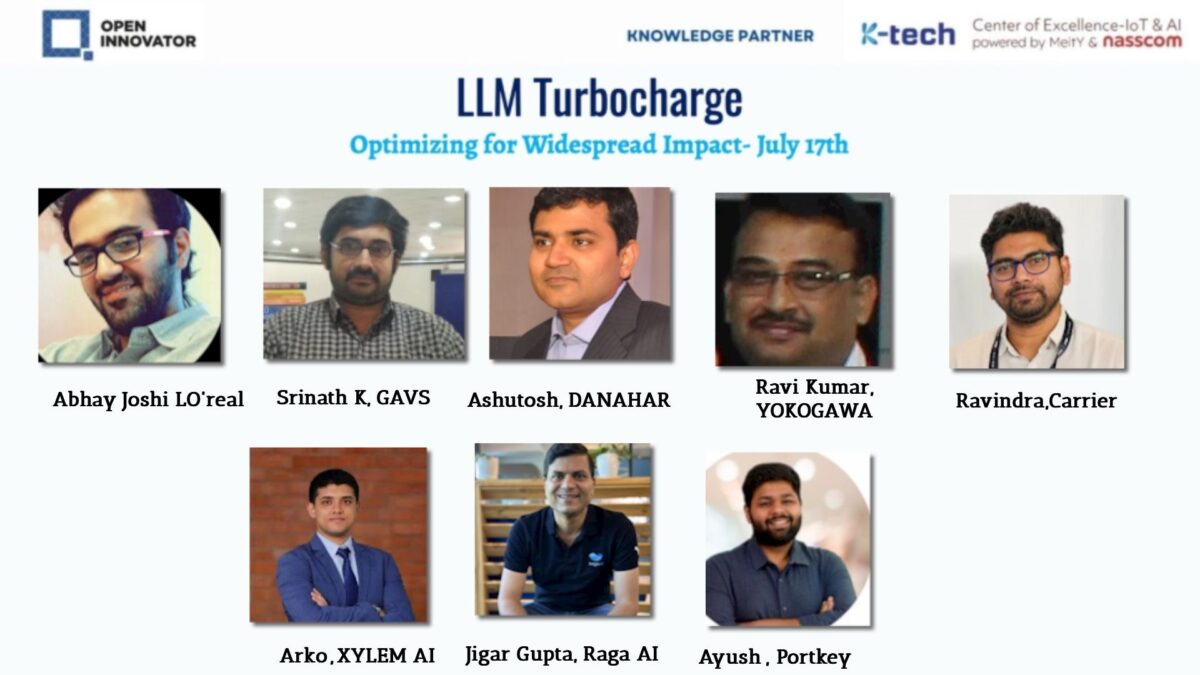
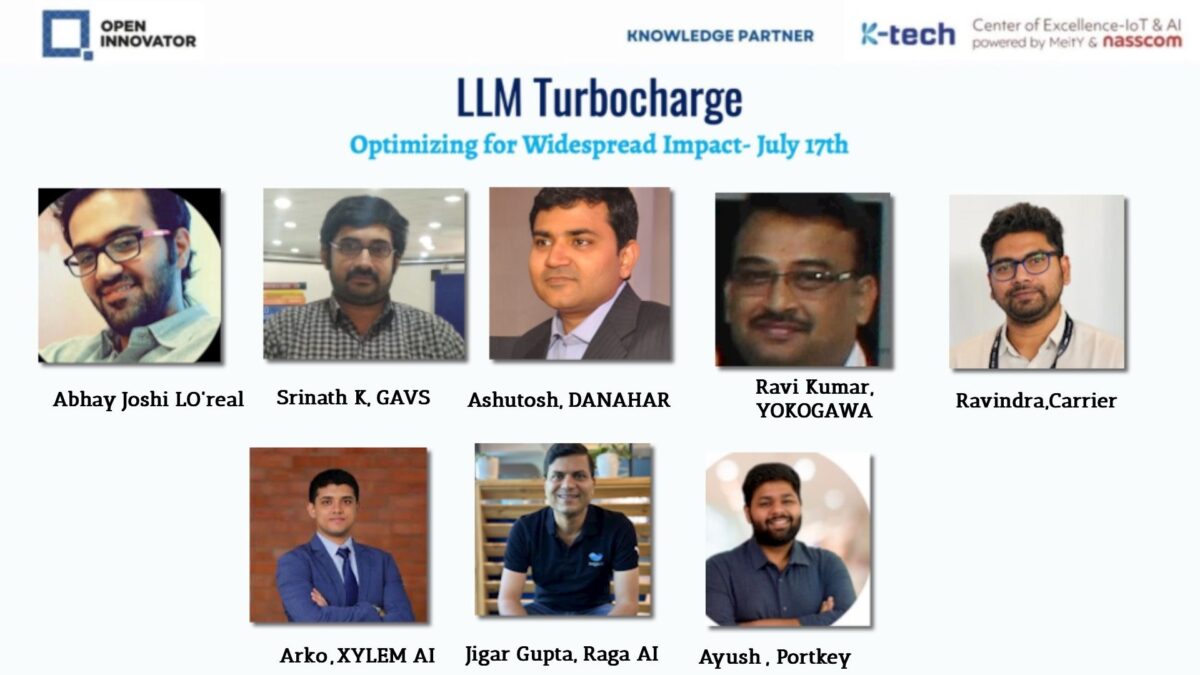
On July 17th, the tech community witnessed an inspiring convergence of industry leaders, innovators, and experts at the much-anticipated knowledge session titled “LLM Turbocharge: Optimizing for Widespread Impact.” The event was a resounding success, bringing together bright minds to delve into the cutting-edge world of Large Language Models (LLMs) and their optimization for broader influence.

A Deep Dive into LLM Optimization

The session offered a comprehensive exploration of LLM fundamentals, showcasing the latest advancements in AI and the techniques that are pushing the boundaries of what these models can achieve. Participants gained invaluable insights into how LLMs can be fine-tuned and optimized to maximize their impact across various industries.

The event wasn’t just about theoretical knowledge; it was a dynamic platform where innovation met practicality. Attendees were treated to live startup pitches, each presenting groundbreaking AI applications that are set to revolutionize their respective fields. These presentations underscored the vast potential of LLMs in driving innovation and solving real-world challenges.

Spotlight on Innovators

We were honored to host a lineup of brilliant startup presenters whose ideas left a lasting impression on all attendees. Special thanks to:

  • Arko C from Pipeshift AI (YC S24), who shared his visionary approach to AI-driven solutions.
  • Jigar Gupta from RagaAI Inc, whose insights into AI’s future possibilities were truly inspiring.
  • Ayush Garg from Portkey, who presented a compelling case for how LLMs can be harnessed for widespread impact.

Their contributions were invaluable, offering a glimpse into the future of AI and its applications.

Jury Panel of Experts

The session’s success was further elevated by the esteemed jury panel, whose experience and wisdom added immense value to the discussions. We are deeply grateful to:

  • Abhay Joshi from Loreal
  • Srinath K. from GAVS
  • Ashutosh Gupta from DANAHER
  • RaviKumar Ramamurthy from Yokogawa
  • Ravindra Rapeti from Carrier

Their feedback and insights provided critical perspectives that will undoubtedly help shape the future trajectories of the innovative ideas presented.

Special Acknowledgments

We extend our heartfelt thanks to Sanjeev Malhotra for his participation and engagement with our jury, offering his unique perspectives on the discussions. A special note of appreciation also goes to Naman Kothari, who expertly hosted the event, ensuring a smooth and enlightening experience for all involved.

Forging Connections and Sparking Ideas

The “LLM Turbocharge” session was more than just an event—it was a catalyst for collaboration and innovation. The connections made and the ideas sparked during the session have the potential to drive significant advancements in AI. We are excited to see how these insights will shape the future of LLMs and their applications across industries.

As we look to the future, we remain committed to fostering similar opportunities for learning, collaboration, and innovation, empowering the AI community to continue pushing the boundaries of what’s possible.

https://youtube.com/watch?v=UDJM2M1Ur3M%3Fsi%3DDUKckkfOf3ts2g1U