




Categories
Applied Innovation

Understanding and Implementing Responsible AI

Categories
Applied Innovation

Understanding and Implementing Responsible AI

Our everyday lives now revolve around artificial intelligence (AI), which has an impact on everything from healthcare to banking. But as its impact grows, the necessity of responsible AI has become critical. The creation and application of ethical, open, and accountable AI systems is referred to as “responsible AI.” Making sure AI systems follow these guidelines is essential in today’s technology environment to avoid negative impacts and foster trust. Fairness, transparency, accountability, privacy and security, inclusivity, dependability and safety, and ethical considerations are some of the fundamental tenets of Responsible AI that need to be explored.

1. Fairness

Making sure AI systems don’t reinforce or magnify prejudices is the goal of fairness in AI. skewed algorithms or skewed training data are just two examples of the many sources of bias in AI. Regular bias checks and the use of representative and diverse datasets are crucial for ensuring equity. Biases can be lessened with the use of strategies such adversarial debiasing, re-weighting, and re-sampling. One way to lessen bias in AI models is to use a broad dataset that covers a range of demographic groupings.

2. Transparency

Transparency in AI refers to the ability to comprehend and interpret AI systems. This is essential for guaranteeing accountability and fostering confidence. One approach to achieving transparency is Explainable AI (XAI), which focuses on developing human-interpretable models. Understanding model predictions can be aided by tools such as SHAP (SHapley Additive exPlanations) and LIME (Local Interpretable Model-agnostic Explanations). Furthermore, comprehensive details regarding the model’s creation, functionality, and constraints are provided by documentation practices like Model Cards.

3. Accountability

Holding people or organizations accountable for the results of AI systems is known as accountability in AI. Accountability requires the establishment of transparent governance frameworks as well as frequent audits and compliance checks. To monitor AI initiatives and make sure they follow ethical standards, for instance, organizations can establish AI ethics committees. Maintaining accountability also heavily depends on having clear documentation and reporting procedures.

4. Privacy and Security

AI security and privacy are major issues, particularly when handling sensitive data. Strong security measures like encryption and secure data storage must be put in place to guarantee user privacy and data protection. Additionally crucial are routine security audits and adherence to data protection laws like GDPR. Differential privacy is one technique that can help safeguard personal information while still enabling data analysis.

5. Inclusiveness

AI security and privacy are major issues, particularly when handling sensitive data. Strong security measures like encryption and secure data storage must be put in place to guarantee user privacy and data protection. Additionally crucial are routine security audits and adherence to data protection laws like GDPR. Differential privacy is one technique that can help safeguard personal information while still enabling data analysis.

6. Reliability and Safety

AI systems must be dependable and safe, particularly in vital applications like autonomous cars and healthcare. AI models must be rigorously tested and validated in order to ensure reliability. To avoid mishaps and malfunctions, safety procedures including fail-safe mechanisms and ongoing monitoring are crucial. AI-powered diagnostic tools in healthcare that go through rigorous testing before to deployment are examples of dependable and secure AI applications.

7. Ethical Considerations

The possible abuse of AI technology and its effects on society give rise to ethical quandaries in the field. Guidelines for ethical AI practices are provided by frameworks for ethical AI development, such as the IEEE Global Initiative on Ethics of Autonomous and Intelligent Systems. Taking into account how AI technologies will affect society and making sure they are applied for the greater good are key components of striking a balance between innovation and ethical responsibility.

8. Real-World Applications

There are several uses for responsible AI in a variety of sectors. AI in healthcare can help with disease diagnosis and treatment plan customization. AI can be used in finance to control risks and identify fraudulent activity. AI in education can help teachers and offer individualized learning experiences. But there are drawbacks to using Responsible AI as well, such protecting data privacy and dealing with biases.

9. Future of Responsible AI

New developments in technology and trends will influence responsible AI in the future. The ethical and legal environments are changing along with AI. Increased stakeholder collaboration, the creation of new ethical frameworks, and the incorporation of AI ethics into training and educational initiatives are some of the predictions for the future of responsible AI. Maintaining a commitment to responsible AI practices is crucial to building confidence and guaranteeing AI’s beneficial social effects.

Conclusion

To sum up, responsible AI is essential to the moral and open advancement of AI systems. We can guarantee AI technologies assist society while reducing negative impacts by upholding values including justice, accountability, openness, privacy and security, inclusivity, dependability and safety, and ethical concerns. It is crucial that those involved in AI development stick to these guidelines and never give up on ethical AI practices. Together, let’s build a future where AI is applied morally and sensibly.

We can create a more moral and reliable AI environment by using these ideas and procedures. For all parties participating in AI development, maintaining a commitment to Responsible AI is not only essential, but also a duty.

Contact us at innovate@quotients.com to schedule a consultation and explore the transformative potential of this innovative technology.

Categories
Events

Cloud Computing Experts Unite for “Innovation in Cloud Compute” Session

Categories
Events

Cloud Computing Experts Unite for “Innovation in Cloud Compute” Session

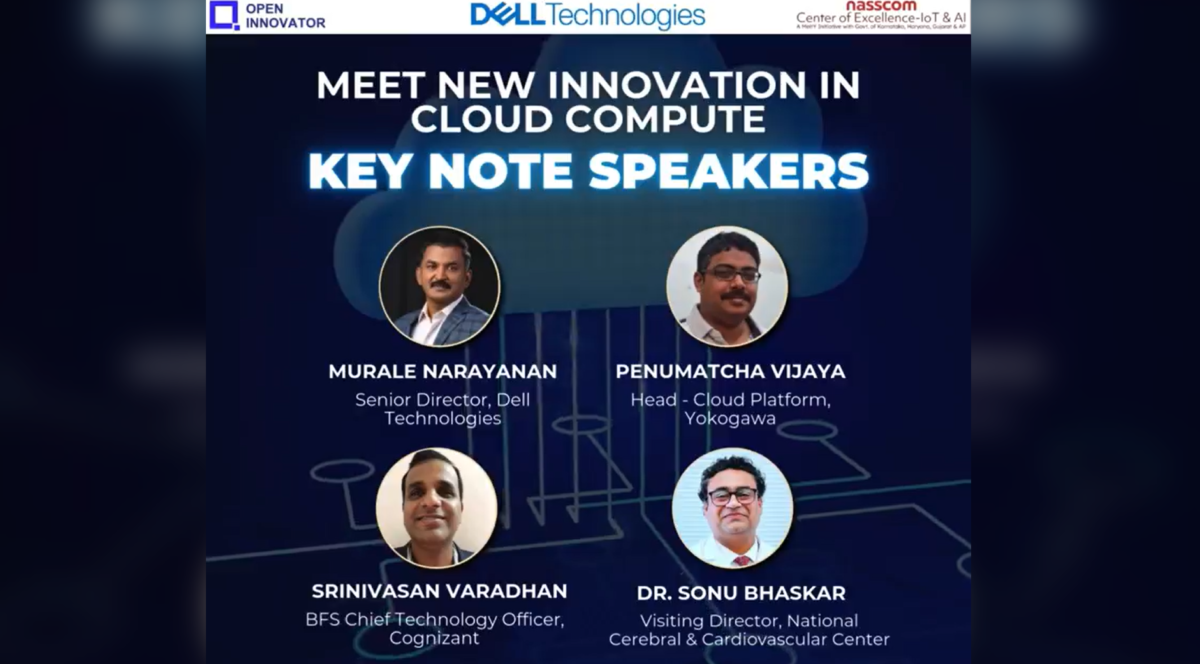
In a remarkable showcase of expertise and insight, industry leaders gathered for the “Innovation in Cloud Compute” session, hosted in collaboration with Dell Technologies. The event brought together prominent figures, including Murale Narayanan, Penumatcha Vijaya Rama Raju, Srinivasan Varadhan, and Dr. Sonu Bhaskar, all of whom shared their vision on the transformative power of cloud computing.

The session attracted a diverse audience eager to explore actionable strategies for harnessing cloud technology to enhance business operations. From the outset, attendees were captivated by the discussions on critical topics shaping the future of enterprise technology.

One of the standout themes was the rapid growth of the cloud market, projected to reach $376 billion by 2029. With 92% of enterprises adopting multicloud strategies, the urgency for businesses to embrace cloud solutions has never been clearer. Panelists emphasized that shifting to the cloud can lead to substantial cost savings—averaging 30% to 50%—while also significantly reducing energy consumption.

Security emerged as another focal point, particularly in hybrid cloud environments. As organizations navigate the complexities of managing data across various platforms, experts highlighted best practices for data management, including encryption and multi-layer security strategies. This is especially crucial as businesses strive to protect sensitive information in an increasingly interconnected world.

The session also featured innovative startups like Frga Cloud, which aims to simplify Kubernetes management—a rapidly growing area in the cloud landscape. Their solutions address the steep learning curve associated with Kubernetes, making it more accessible to organizations looking to leverage this powerful technology.

The event fostered an engaging atmosphere that encouraged interaction among participants. The relaxed format, free from tedious presentations, allowed for lively discussions and networking opportunities, making the experience both informative and enjoyable.

As the session wrapped up, attendees expressed excitement about the future of cloud technology and the insights gained during the event. The discussions not only illuminated the current landscape but also set the stage for ongoing conversations about the challenges and opportunities that lie ahead.

The “Innovation in Cloud Compute” session marked a significant milestone in fostering collaboration and knowledge sharing within the industry, reinforcing the importance of continuous learning and adaptation in the ever-evolving realm of cloud computing. As businesses continue to explore the limitless possibilities of this technology, the insights from this event will undoubtedly play a crucial role in shaping their strategies for success.
Categories
Events

Open Innovator Concludes Knowledge Session on Generative AI in Decision-Making

Categories
Events

Open Innovator Concludes Knowledge Session on Generative AI in Decision-Making

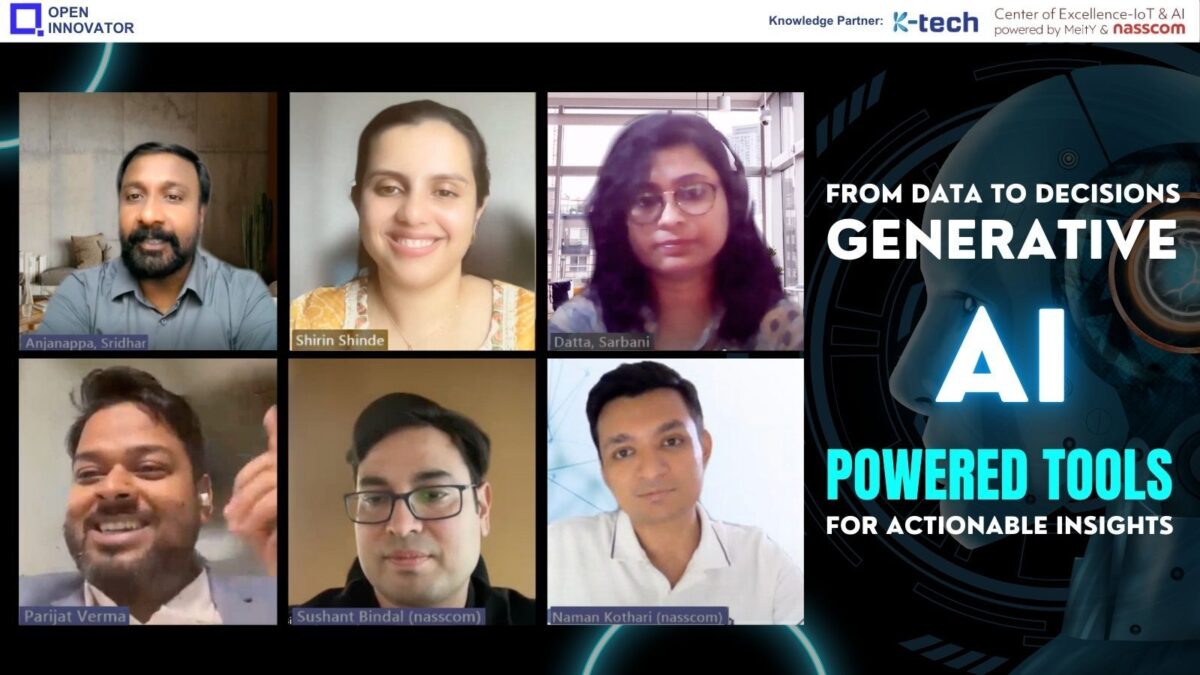
Open Innovator successfully concluded its recent Knowledge Session titled “From Data to Decisions: GenAI-Powered Tools for Actionable Insights,” leaving attendees with transformative insights poised to influence the future of decision-making in various industries.

The session featured industry experts, including Sridhar Anjanappa, Shirin Shinde, Parijat Verma, and Sarbani Datta, who shared their expertise and facilitated impactful conversations about the integration of Generative AI (GenAI) in business strategies. Attendees expressed gratitude for the valuable discussions that highlighted the challenges and opportunities presented by GenAI technologies.

A significant highlight of the event was the exclusive startup pitches from GenAI innovators, showcasing advancements in sustainable automotive solutions. Companies like Alphaa AI, LEGOAI Technologies, and dataeaze systems demonstrated their innovative approaches to harnessing AI for real-world applications.

The Knowledge Session also included a detailed YouTube presentation titled “Data to Decisions: Transformation through Generative AI.” This video explored the role of GenAI as a personal data assistant, emphasizing its capability to transform vast data sets into meaningful insights. Experts such as Sani Data and Suant Bindal discussed the importance of GenAI across various sectors, including mining and healthcare, and addressed the necessity for unbiased AI systems capable of processing real-time data.

The session shed light on the staggering amount of data generated globally—projected to reach 181 zettabytes by 2025—and how organizations currently utilize only a fraction of it. Discussions highlighted the need for effective integration of GenAI within existing data analytics frameworks, stressing the importance of collaboration among stakeholders to ensure alignment and efficiency.

Looking ahead, Open Innovator encourages ongoing engagement with their community, promising more insights and knowledge-sharing sessions in the future. Attendees and interested parties can look forward to bite-sized highlights from the discussions via Open Innovator’s platforms.
Categories
Events

Circular Economy in Auto Mobility: A Knowledge Session on Sustainable Innovation

Categories
Events

Circular Economy in Auto Mobility: A Knowledge Session on Sustainable Innovation

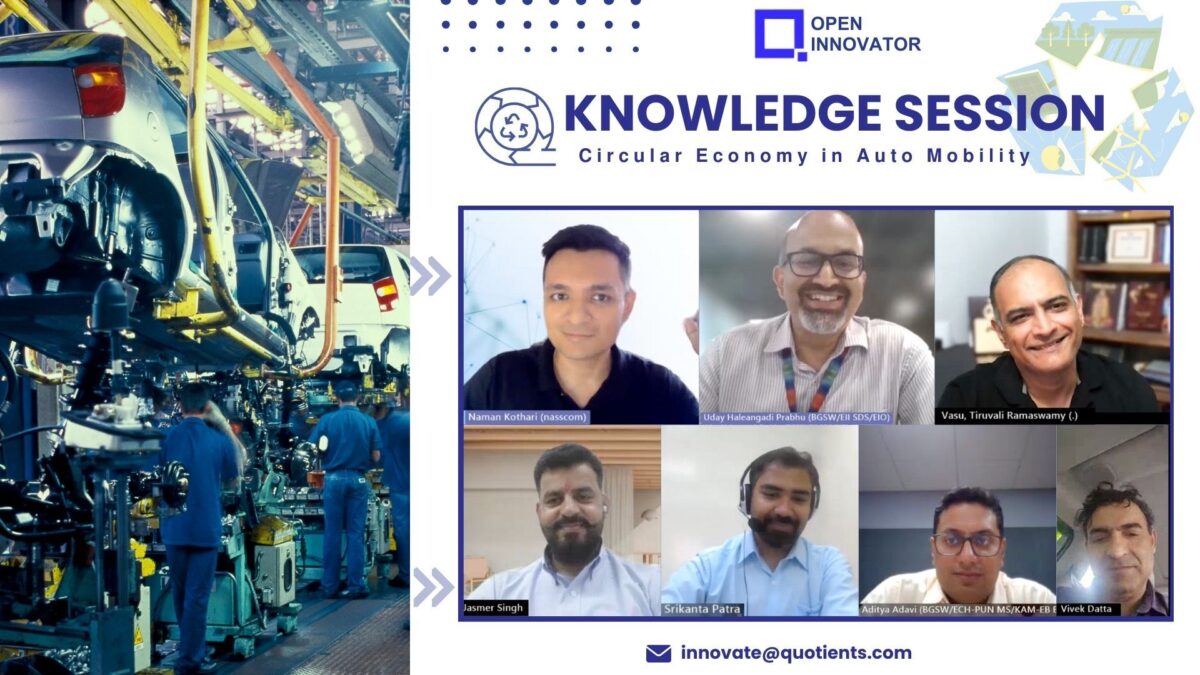
The recent Open Innovator session titled “Knowledge Session on Circular Economy in Auto Mobility introduced the concept of the circular economy as a transformative approach to automotive sustainability. The session gathered industry leaders and innovators to discuss how circular economy principles can reshape the automotive sector, focusing on areas like design for serviceability, refurbishment, recycling, and sustainable battery management.

The speakers emphasized the potential of circular economy models to extend the life cycles of vehicles, allowing them to undergo multiple iterations of use rather than ending up in landfills. This shift could lead to a remarkable 70% reduction in material costs, presenting a compelling case for automotive engineers, sustainability experts, policymakers, and investors interested in sustainable mobility.

The session featured insights from prominent speakers, senior directors from Ford Motors, and representatives from Toyota and the NASSCOM Center of Excellence. Sanjeev Malhotra from NASSCOM kicked off the discussion, stressing the importance of sustainability in innovation and inviting input from Bosch representatives on how these discussions are shaping their organizational strategies.

A key focus of the session was the need to transition from traditional linear economic models to more sustainable circular frameworks. Speakers highlighted informal recycling practices in places like Bangalore as examples of how the automotive industry could scale up these efforts into a comprehensive cradle-to-cradle economy. This approach emphasizes not only recycling but also redesigning the value stream of automotive development, promoting resource reuse and minimal waste.

The discussion also delved into the challenges impeding the adoption of circular economy practices in the automotive sector. Financial regulatory pressures and technological limitations emerged as significant barriers, with speakers advocating for enhanced data extraction from manufacturing processes and addressing social, economic, and environmental impacts to facilitate the transition.

Innovative companies were spotlighted for their contributions to the circular economy. Abishek from Batx Energies discussed their role as the largest black mass producer in India, focusing on battery recycling and metal extraction from end-of-life batteries. BETX, another key player, highlighted their recycling capabilities and efforts to refurbish batteries to meet the growing demands of the electric vehicle market.

The session also emphasized the critical role of collaboration in achieving circularity. Representatives from companies like Bosch discussed the importance of creating a predictable ecosystem for electrification, with a focus on battery recycling and data sharing to build trust among manufacturers.

Volkswagen’s commitment to improving their ESD ratings through vehicle life cycle management and Toyota’s focus on sustainable investments in Indian startups further illustrated the industry’s shift toward circular practices. The representatives stressed the need for continuous innovation and collaboration among stakeholders to realize the full potential of circular economy strategies.

In conclusion, the “Knowledge Session on Circular Economy in Auto Mobility” provided a rich platform for exploring the future of automotive sustainability. With a clear emphasis on innovation, collaboration, and addressing the challenges of transitioning to a circular economy, industry leaders expressed optimism about the road ahead. As the automotive sector embraces these principles, it paves the way for a more sustainable and economically viable future in mobility

Categories
Events

LLM Turbocharge: Optimizing for Widespread Impact

Categories
Events

LLM Turbocharge: Optimizing for Widespread Impact

In a recent Open Innovator Session titled “LLM Turbocharge: Optimizing for Widespread Impact industry leaders convened to explore the transformative potential of Large Language Models (LLMs) and their applications across various sectors, including healthcare, finance, and research. Organized by Open Innovator, a platform dedicated to connecting innovators, industry leaders, and investors to accelerate groundbreaking solutions, the event aimed to inspire attendees—from tech enthusiasts to business leaders—by showcasing real-world applications of LLMs and addressing the challenges of their implementation.

The session kicked off with an introduction to LLMs, described as the “brains behind many AI power tools.” Speakers highlighted the capabilities of these models to process vast amounts of information, understand context, and generate human-like text.

Throughout the session, speakers discussed the hurdles smaller companies face in adopting LLM technology, with insights into their experiences. Asos explained how their organization began using LLMs to enhance productivity and streamline processes, while L’Oreal and Carrier highlighted their unique applications emphasizing research and customer service automation.

A recurring theme was the importance of education and stakeholder engagement in successfully integrating LLMs into organizations. The speakers emphasized that making LLMs accessible to non-technical users remains a critical challenge, but ongoing efforts aim to improve user-friendliness and understanding.

The session also addressed the significance of optimizing LLMs for widespread impact, including the use of open-source models, high performance at lower costs, and overcoming barriers to entry for smaller companies.

The session concluded with positive audience feedback and a call to continue fostering a community of innovators and technology leaders. Plans for future sessions were announced, reflecting the enthusiasm for ongoing discussions about the impact of LLMs in driving innovation across industries.

The “LLM Turbocharge” session not only shed light on the current state of AI technologies but also set the stage for continued collaboration and exploration of LLMs’ potential to reshape the future of various sectors.

Categories
Events

Transforming Automation: Insights from the ‘From Prompts to Production’ AI Open Innovator Event

Categories
Events

Transforming Automation: Insights from the ‘From Prompts to Production’ AI Open Innovator Event

The recent “From Prompts to Production” Open Innovator Session proved to be a significant milestone in the exploration of AI’s role in transforming software development and automation. This groundbreaking event brought together industry leaders, innovative startups, and forward-thinking professionals to examine how AI is reshaping the landscape of technology.

A Deep Dive into AI’s Transformative Power

The session began with a series of insightful presentations from industry experts who offered a comprehensive look into the game-changing impact of AI on modern development processes. Their discussions highlighted how AI technology is set to streamline workflows, enhance efficiency, and drive innovation in software development.

Showcasing India’s Pioneering AI Startups

The event’s spotlight was on some of India’s most dynamic AI startups, including Apto.ai, Codeant.ai, and Kushho.ai. These startups captivated the audience with their cutting-edge AI-powered solutions. Deepak Kalhan, Amartya Jha, and Abhishek Saikia demonstrated how their revolutionary products are set to redefine automation and explore new realms of possibility. Their presentations showcased the potential of AI to push the boundaries of what’s achievable in software development.

Insights from Leading Industry Players

We were honored to have leaders from renowned companies such as Beckman, Commvault, GAVS/GE, and Baxter participate in the event. Their valuable insights and contributions sparked thought-provoking discussions about the wide-ranging applications of AI across various industries. Their perspectives provided a deeper understanding of how AI can be leveraged to solve complex challenges and drive progress.

Acknowledging Contributions and Looking Forward

We extend our sincere gratitude to all the speakers, attendees, and partners who made the “From Prompts to Production” session a resounding success. Your participation and enthusiasm are crucial in advancing innovation and empowering professionals with the knowledge and tools to shape the future of AI and automation.

As we look ahead, we are excited about the opportunities to continue exploring the cutting edge of AI technology and its applications. Stay tuned for more events and insights that will further illuminate the path to technological advancement.

Categories
Events

Revolutionizing AI: Highlights from the ‘LLM Turbocharge’ Knowledge Session

Categories
Events

Revolutionizing AI: Highlights from the ‘LLM Turbocharge’ Knowledge Session

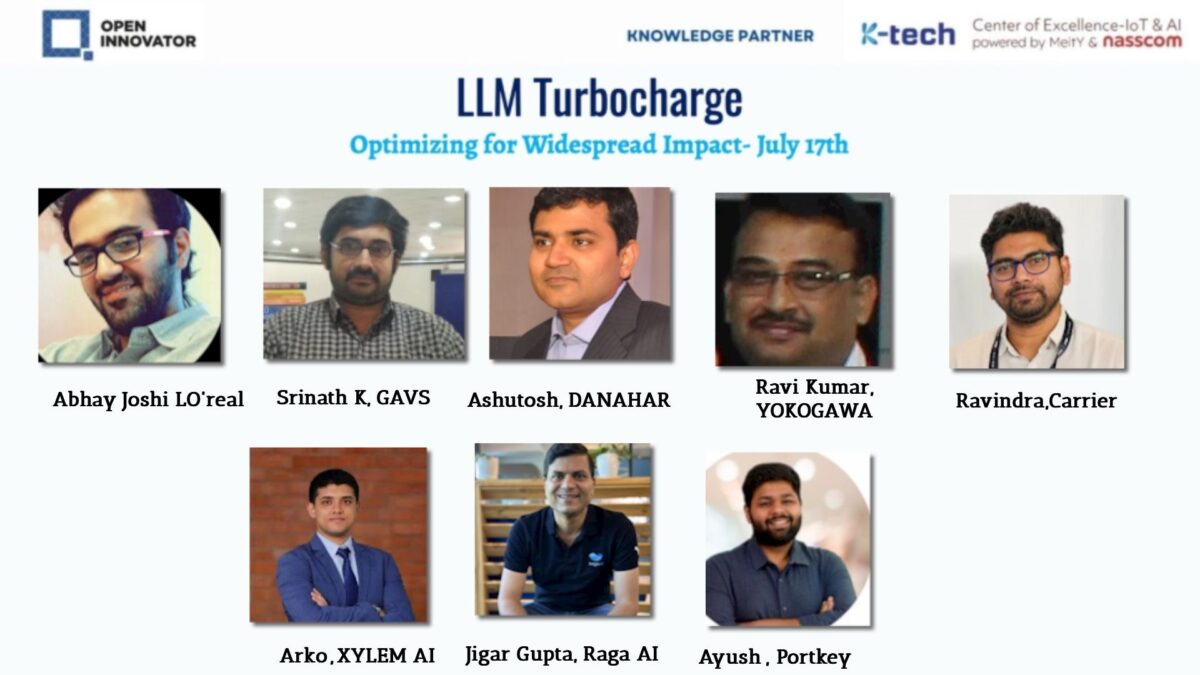
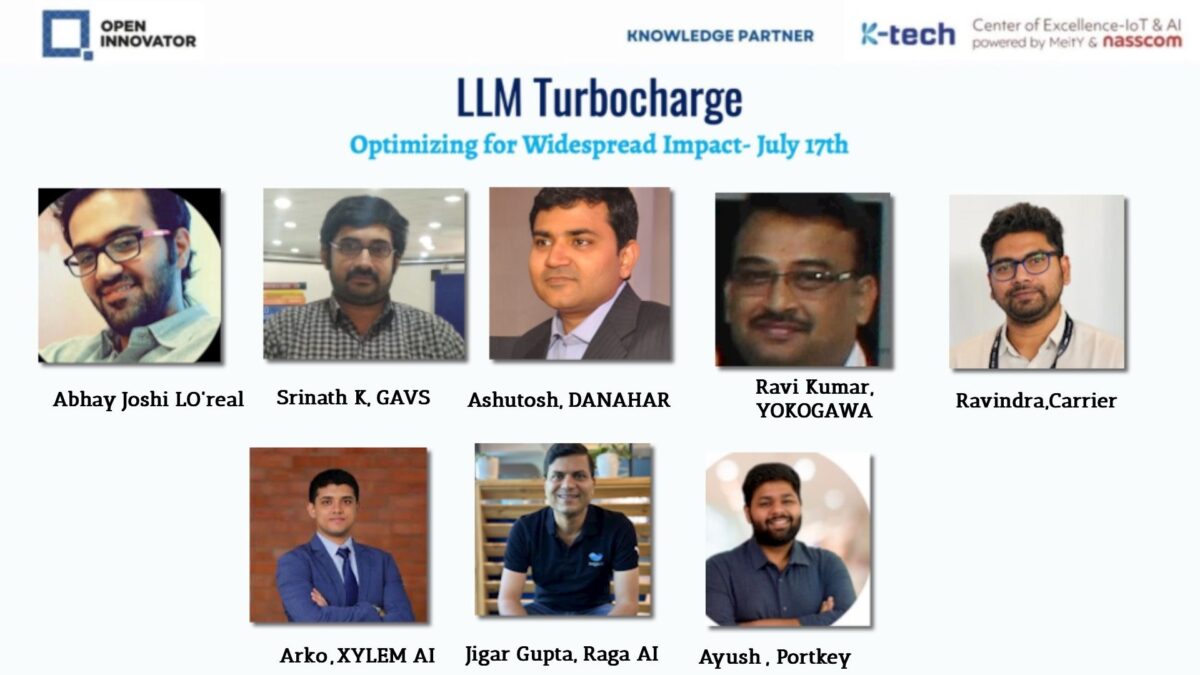
On July 17th, the tech community witnessed an inspiring convergence of industry leaders, innovators, and experts at the much-anticipated knowledge session titled “LLM Turbocharge: Optimizing for Widespread Impact.” The event was a resounding success, bringing together bright minds to delve into the cutting-edge world of Large Language Models (LLMs) and their optimization for broader influence.

A Deep Dive into LLM Optimization

The session offered a comprehensive exploration of LLM fundamentals, showcasing the latest advancements in AI and the techniques that are pushing the boundaries of what these models can achieve. Participants gained invaluable insights into how LLMs can be fine-tuned and optimized to maximize their impact across various industries.

The event wasn’t just about theoretical knowledge; it was a dynamic platform where innovation met practicality. Attendees were treated to live startup pitches, each presenting groundbreaking AI applications that are set to revolutionize their respective fields. These presentations underscored the vast potential of LLMs in driving innovation and solving real-world challenges.

Spotlight on Innovators

We were honored to host a lineup of brilliant startup presenters whose ideas left a lasting impression on all attendees. Special thanks to:

  • Arko C from Pipeshift AI (YC S24), who shared his visionary approach to AI-driven solutions.
  • Jigar Gupta from RagaAI Inc, whose insights into AI’s future possibilities were truly inspiring.
  • Ayush Garg from Portkey, who presented a compelling case for how LLMs can be harnessed for widespread impact.

Their contributions were invaluable, offering a glimpse into the future of AI and its applications.

Jury Panel of Experts

The session’s success was further elevated by the esteemed jury panel, whose experience and wisdom added immense value to the discussions. We are deeply grateful to:

  • Abhay Joshi from Loreal
  • Srinath K. from GAVS
  • Ashutosh Gupta from DANAHER
  • RaviKumar Ramamurthy from Yokogawa
  • Ravindra Rapeti from Carrier

Their feedback and insights provided critical perspectives that will undoubtedly help shape the future trajectories of the innovative ideas presented.

Special Acknowledgments

We extend our heartfelt thanks to Sanjeev Malhotra for his participation and engagement with our jury, offering his unique perspectives on the discussions. A special note of appreciation also goes to Naman Kothari, who expertly hosted the event, ensuring a smooth and enlightening experience for all involved.

Forging Connections and Sparking Ideas

The “LLM Turbocharge” session was more than just an event—it was a catalyst for collaboration and innovation. The connections made and the ideas sparked during the session have the potential to drive significant advancements in AI. We are excited to see how these insights will shape the future of LLMs and their applications across industries.

As we look to the future, we remain committed to fostering similar opportunities for learning, collaboration, and innovation, empowering the AI community to continue pushing the boundaries of what’s possible.

https://youtube.com/watch?v=UDJM2M1Ur3M%3Fsi%3DDUKckkfOf3ts2g1U
Categories
Evolving Use Cases

Supply Chain Optimization: Enhancing Efficiency with Advanced Technologies

Categories
Evolving Use Cases

Supply Chain Optimization: Enhancing Efficiency with Advanced Technologies

In today’s competitive corporate climate, supply chain optimization is an essential technique for increasing efficiency, lowering costs, and boosting customer satisfaction. Advanced technologies like IoT, AI, and blockchain are transforming supply chain management by enabling real-time visibility, predictive analytics, and increased security. This article delves into how supply chain optimization works, its advantages, and the common procedures involved.

The Mechanics of Supply Chain Optimization

Supply chain optimisation entails adopting cutting-edge technology and data-driven techniques to simplify processes, reduce waste, and increase productivity. Here’s a step-by-step explanation of the normal procedure:

  1. Data Collection and Integration: The collecting and integration of data from numerous sources, including suppliers, manufacturers, warehouses, and logistics providers, is the first step in supply chain optimisation. This information is obtained by IoT sensors, RFID tags, and other tracking technologies.
  2. Analyzing and Modeling: Advanced analytics and AI algorithms use gathered data to spot patterns, forecast demand, and optimise inventory levels. Simulation models are used to evaluate various situations and identify the most effective solutions.
  3. Planning and Forecasting: Based on the findings, supply chain planners can estimate demand, manage production schedules, and efficiently allocate resources. Predictive analytics aids in forecasting market trends and adapting tactics accordingly.
  4. Inventory Management: Optimised inventory management guarantees that the appropriate amount of stock is kept at each level of the supply chain. Automated systems monitor inventory levels in real time, lowering the risk of overstocking and stockouts.
  5. Transportation and Logistics: Transportation management systems (TMS) optimise route, scheduling, and load planning to save costs and speed up delivery times. Real-time tracking and visibility technologies give information about shipment progress and any delays.
  6. Continuous Monitoring and Improvement: The supply chain is constantly monitored via real-time data and performance measurements. Continuous improvement procedures are used to detect bottlenecks, simplify operations, and increase overall efficiency.

Handling Different Scenarios

Supply chain optimization is designed to be flexible and responsive to various scenarios:

Demand Fluctuations: Advanced forecasting technologies detect demand changes, allowing supply chain managers to alter production schedules and inventory levels as needed.

Disruptions and Delays: Real-time tracking and visibility solutions alert users to potential interruptions including as delays, equipment breakdowns, and natural disasters. Contingency plans are launched to reduce the effect and ensure continuation.

Supplier Issues: Supplier performance is constantly reviewed, and alternative suppliers are found and onboarded to provide a stable supply chain.

Benefits of Supply Chain Optimization

The adoption of supply chain optimization offers numerous advantages:

Increased Efficiency:Streamlined processes and optimised resource allocation lead to greater efficiency and production throughout the supply chain.

Cost Reduction: Supply chain optimisation saves money by minimising waste, lowering inventory costs, and optimising transportation.

Improved Customer Satisfaction: Faster delivery times, more precise order fulfilment, and more product availability all contribute to higher customer satisfaction and loyalty.

Enhanced Visibility and Control:Real-time data and analytics enable complete insight and control of the supply chain, allowing for proactive decision-making.

Risk Mitigation: Advanced technologies aid in recognising and managing risks, resulting in a robust and dependable supply chain.

Ensuring Security and Compliance: Supply chain optimisation must adhere to industry norms and standards to safeguard data security and privacy. Blockchain technology is frequently utilised to improve transparency and traceability, while strong cybersecurity measures prevent data breaches and cyber attacks.

Take Away:

Supply chain optimisation is changing how organisations function by combining sophisticated technology and data-driven methods to increase efficiency, save costs, and improve customer satisfaction. As technology advances, supply chain optimisation will become increasingly important in determining firm success and competitiveness in the global market.

Contact us at open-innovator@quotients.com to schedule a consultation and explore the transformative potential of this innovative technology.


Categories
Evolving Use Cases

How is Remote Patient Assistance Revolutionizing Healthcare

Categories
Evolving Use Cases

How is Remote Patient Assistance Revolutionizing Healthcare

In today’s healthcare world, remote patient support has emerged as a vital innovation that bridges the gap between patients and clinicians. Telehealth systems provide medical consultations and help without requiring physical presence, making healthcare more accessible and convenient. Here we look at how remote patient support works, its benefits, and the common procedures required.

The Mechanics of Remote Patient Assistance

Remote patient help makes use of telehealth technologies, which allow patients and healthcare practitioners to confer virtually. Here’s a step-by-step explanation of the normal procedure:

  1. Patient Login: Patients start by logging onto the telehealth portal with their credentials. This secure login protects personal health information.
  2. Requesting a consultation: Patients can seek a remote consultation by choosing an available healthcare professional and making an appointment. The system verifies the appointment and notifies both the patient and the physician.
  3. Conducting the consultation: At the appointed time, the patient and healthcare professional connect via a secure video conversation on the telehealth platform. The healthcare professional evaluates the patient’s medical history and present symptoms, conducts the consultation, and offers medical advice, diagnosis, or therapy suggestions.
  4. Documentation and Follow-up: Following the consultation, the healthcare professional notes the encounter and updates the patient’s medical records. The patient is given a summary of the consultation, which includes any prescriptions or follow-up instructions.

Handling many scenarios.

Remote patient support is intended to be adaptable and responsive to a variety of settings.

  1. Emergency Situations

In an emergency, patients can specify the urgency of their consultation request. The telehealth system prioritises these requests and sends them to the nearest available healthcare professional for prompt attention.

2. Technical issues

Telehealth systems are designed to tackle technological concerns. If a video call connection breaks, the system will attempt to reconnect automatically. If the problem persists, the healthcare professional may call the patient by phone or postpone the session.

3. Rescheduling Appointments

Patients may simply cancel or reschedule appointments using the telemedicine platform. The system alerts the healthcare provider of the changes to ensure proper coordination and communication.

Benefits of Remote Patient Assistance

The deployment of remote patient support has various benefits:

Increased accessibility: Patients in rural or underdeveloped locations can receive medical care without travelling. This is especially advantageous for people who have mobility challenges or live far away from healthcare services.

Convenience and Time Saving: Remote consultations save time for both patients and medical professionals. Patients may get medical advice from the comfort of their own homes, and providers can manage their schedules more effectively.

Enhanced Patient Engagement: Telehealth solutions provide continuous patient monitoring and follow-up, resulting in increased patient participation and adherence to treatment recommendations.

Cost-Effective Care: Remote consultations can help to minimise healthcare expenditures by eliminating the need for in-person visits and their related expenses, such as transportation and time off work.

Ensure security and compliance: Telehealth systems must adhere to healthcare legislation and standards, such as HIPAA in the United States (DISHA in India), to safeguard patient data and privacy. Strong security measures, like as encryption and secure login methods, are required to ensure the confidentiality and integrity of patient data.

Conclusion
Remote patient support is altering the healthcare business by making medical treatment more accessible, convenient, and affordable. Healthcare practitioners may give high-quality treatment to patients regardless of their location by utilizing telehealth systems, hence boosting health outcomes and patient satisfaction. As technology advances, remote patient help will become increasingly important in the future of healthcare.

Contact us at Open-innovator@quotients.com to schedule a consultation and explore the transformative potential of this innovative technology.

Categories
Applied Innovation

The Rise of Large Language Models: Transforming Industries and Challenging Norms

Categories
Applied Innovation

The Rise of Large Language Models: Transforming Industries and Challenging Norms

Language models such as Large Language Models (LLMs) have recently become one of the biggest disruptive forces in artificial intelligence, promising to overhaul how businesses operate across a wide range of industries. Therefore, these sophisticated AI systems that can handle huge amounts of data, understand intricate contexts and produce human-like text are increasingly being used at the core of numerous AI-based tools employed day-in-and-day-out in various sectors including healthcare and finance.

Some organizations already begin to take advantage of LLMs, with early adopters reaping tangible benefits. For example, there is a significant increase in productivity levels and time-to-market among life sciences companies. In one instance, they were able to automate critical processes like quality assurance by designing their applications based on their own data. The beauty industry too uses LLMs for creating extensive research papers, relating information from previous studies or analyzing social media reviews for insights useful when it comes to customers.

The appeal of more control over intellectual property and laws, increased customisation options, and possible cost savings is propelling the movement towards open source models in workplace use forward. Many industry professionals believe that the future rests in customised models based on open source LLMs and modified to client requirements.

However, the route to widespread LLM acceptance is not without obstacles. Technical challenges, like as memory bandwidth difficulties when executing LLMs on GPUs, are important barriers. Innovative solutions to these difficulties are developing, such as optimised memory consumption via request batching and less communication between memory components. Some firms claim to have made significant advances in inference speeds, providing specialised stacks for open source LLMs that promise quicker performance at a cheaper cost.

Smaller enterprises continue to face strong entrance hurdles. The high costs of hardware and cloud services, combined with a lack of simply implementable alternatives, can make LLMs unaffordable. To close the gap, several experts recommend using smaller, open-source LLMs for certain use cases as a more accessible starting point.

As organisations increase their LLM installations, it becomes increasingly important to ensure production system security, safety, and dependability. Concerns concerning data hallucinations, personal information leaks, prejudice, and potential hostile assaults must be thoroughly addressed. Comprehensive testing and quality assessments are critical, as features such as hallucination detection and security guardrails become more significant.

New architectural patterns are developing to help LLMs integrate more seamlessly into current systems. The “AI Gateway pattern,” for example, serves as middleware, offering a common interface for communicating with different models and making configuration updates easier. Similarly, the notion of a Language Model Gateway (LMG) is gaining popularity for managing and routing LLMs in business applications, with capabilities like rate restriction, budget control, and improved insight into model performance.

As the LLM environment changes, the value of data security and model fine-tuning cannot be emphasised. While fine-tuning is not required, it is becoming a popular method for increasing cost-efficiency and lowering latency. Many systems now support implementation within a customer’s own cloud environment, which addresses data control and security issues.

Looking ahead, LLMs are expected to dominate the AI environment in the following decade. Their ability to speed research and provide insights, especially in time-sensitive sectors, is unrivalled. However, successful implementation will necessitate striking a delicate balance between quick adoption and cautious integration, with a heavy emphasis on training stakeholders and assessing organisational preparedness.

LLM applications continue to grow, with new opportunities arising in areas like as thorough trip mapping in research sectors and increased efficiency in data processing and reporting. As we approach the AI revolution, it’s obvious that LLMs will play an important role in influencing the future of business and technology.

In a nutshell, while there are major hurdles, the potential benefits of properly adopting LLMs are enormous. As organisations traverse this complicated terrain, those who can successfully leverage the potential of LLMs while resolving the related technological, ethical, and practical issues will most likely be at the forefront of innovation in their respective sectors.

Contact us at open-innovator@quotients.com to schedule a consultation and explore the transformative potential of this innovative technology.