Categories
Applied Innovation

The Rise of Robo-Advisors: Using Artificial Intelligence to Transform Investment Management

Categories
Applied Innovation

The Rise of Robo-Advisors: Using Artificial Intelligence to Transform Investment Management

The financial services business has seen a tremendous transition in recent years as a result of technological breakthroughs and the rise of artificial intelligence (AI). The rise of robo-advisors is one significant application of AI in finance.

Robo-advisors use algorithms to provide personalized investment recommendations based on investor preferences, risk tolerance, and financial goals. On the basis of an investor’s profile and data analysis, robo-advisors employ AI algorithms to build personalized investment portfolios. They provide suggestions, automate deals, keep an eye on portfolios, and deliver consistent reporting. Robo-advisors thus attempt to simplify the investing process and offer quick access to professional investment management for a variety of investors by fusing cutting-edge technology and data-driven insights.

Let’s take a look at how robo-advisors are changing how consumers invest and manage their portfolios.

Democratising Professional Investment Services: Historically, professional investment advice and portfolio management services were only available to high-net-worth people or those with large investment amounts. Robo-advisers have altered this dynamic by making such services available to a wider variety of investors, including those with lesser investment amounts. Robo-advisors can deliver investment advice to a broader audience by utilizing AI algorithms, democratizing access to expert financial advice.

Tailored Investment advice: One of the primary characteristics of robo-advisors is their ability to personalize investment advice to individual individuals. Investors contribute information about their financial goals, risk tolerance, and investment horizon throughout the profiling process. These data, coupled with market movements, economic factors, and previous performance, are analyzed by AI algorithms to provide personalized investment suggestions. These recommendations include precise asset allocations, investment methods, and advice for periodic portfolio rebalancing that are tailored to each investor’s personal circumstances.

Automated Execution and Efficient Management: After investors approve the proposed investment plans, robo-advisors execute them. The AI algorithms execute transactions on the investor’s behalf, guaranteeing the efficient and timely implementation of investment decisions. Furthermore, robo-advisors constantly evaluate portfolios and make modifications as necessary. If market fluctuations cause the portfolio to deviate from the target asset allocation, the algorithms initiate rebalancing steps to rebalance the portfolio. This automation and proactive management provide investors peace of mind while also allowing for effective portfolio upkeep.

Cost-Effectiveness and Transparency: Robo-advisers, as opposed to conventional human advisors, offer cost-effective investment management solutions. Robo-advisors operate with fewer overhead expenses because of automation and AI, which translates into cheaper fees for investors. These platforms also offer clear reporting, allowing investors to monitor the success of their portfolios, comprehend the underlying assets, and obtain details regarding fees and charges. Robo-advisors’ openness increases confidence and gives investors the ability to make wise decisions about their financial destiny.

Robo-advisors give individual investors accessibility, affordability, personalization, transparency, and efficiency. They provide personalized portfolios, expert financial advice, open reporting, and automated execution. Although advantageous, before making an investment decision, investors should thoroughly analyze their personal circumstances and ambitions. By democratizing access to individualized and reasonably priced financial services, robo-advisors are a prime example of how AI is revolutionizing the world of investing.

Robo-advisors have become a significant presence in the landscape of financial management. These digital platforms, which offer individualized investment advice, effective portfolio management, and cost-effective solutions to individual investors, democratize access to professional financial services. The emergence of robo-advisors represents a change in how individuals view and interact with investment management by offering an easy and approachable substitute for traditional advising services. Robo-advisors are set to play an increasingly prominent role in determining the direction of finance as technology develops, opening up sophisticated financial methods to everyone.

If you’re interested in exploring these technologies and their use cases further, don’t hesitate to reach out to us at open-innovator@quotients.com. We are here to assist you and provide additional information.

Categories
Applied Innovation

Leveraging AI, ML, CV, and NLP to transform unstructured data into valuable intelligence

Categories
Applied Innovation

Leveraging AI, ML, CV, and NLP to transform unstructured data into valuable intelligence

In today’s digital era, organizations are swimming in a vast ocean of data, with a significant portion of it residing in unstructured documents. These documents, such as emails, contracts, research papers, and customer feedback, hold a wealth of valuable information waiting to be unlocked. However, extracting meaningful insights from this unstructured data has traditionally been a daunting task. Enter the power of Artificial Intelligence (AI), Machine Learning (ML), and Natural Language Processing (NLP). These transformative technologies are revolutionizing the way businesses derive value from the data encapsulated within unstructured documents.

Unstructured documents differ from structured data sources, such as databases or spreadsheets, as they lack a predefined format or organized data model. They contain free-form text, images, tables, and diverse information types, making them challenging to analyze using conventional methods. However, advancements in AI, ML, and NLP have paved the way for extracting valuable insights, patterns, and knowledge from these untapped resources.

By applying intelligent algorithms and techniques, businesses can gain a competitive edge, drive innovation, and make informed decisions based on comprehensive data analysis. NLP techniques enable the classification of unstructured text data, such as categorizing emails, research papers, or customer reviews, leading to automated organization and efficient data retrieval. ML algorithms, both supervised and unsupervised, can be used to recognize patterns, detect anomalies, and make predictions within unstructured documents. By employing computer vision algorithms, organizations can automatically classify images, identify objects, and generate textual descriptions, revolutionizing fields like healthcare, security, and manufacturing.

Deriving value from unstructured data is a significant challenge, but leveraging Artificial Intelligence (AI), Machine Learning (ML), Natural Language Processing (NLP), and Computer Vision (CV) technologies can help unlock its potential. Here’s a high-level overview of how these technologies can be used:

Data Preprocessing: Before applying AI and ML algorithms, unstructured data needs to be processed and structured. This involves tasks like data cleaning, normalization, and transforming the data into a suitable format for analysis.

Natural Language Processing (NLP): NLP techniques can be used to classify unstructured text data into predefined categories or topics. This can enable automated categorization and organization of large amounts of textual information. Then by Named Entity Recognition (NER), algorithms can identify and extract entities like names, locations, organizations, and other relevant information from unstructured text. AI models then analyze text sentiment to determine whether it’s positive, negative, or neutral. This can be useful for understanding customer feedback, social media sentiment, or market trends. NLP techniques can also automatically generate summaries of large documents or text datasets, enabling quick extraction of key information.

Machine Learning (ML): ML algorithms can be trained on labeled data to recognize patterns and make predictions. For example, ML models can learn to classify images, identify objects, or recognize patterns in unstructured data. Through unsupervised learning, these algorithms can identify hidden patterns or clusters in unstructured data without any predefined labels. This can help in data exploration, segmentation, or anomaly detection. ML algorithms can also analyze user behavior, preferences, and unstructured data such as product reviews or browsing history to make personalized recommendations. Along with things, ML models can learn patterns from normal data and identify outliers or anomalies in unstructured data, which is particularly useful for fraud detection or cybersecurity.

Computer Vision (CV): CV techniques can classify and categorize images or videos based on their content, enabling automated analysis and organization of visual data. These algorithms can identify and locate specific objects within photos or videos. This can be useful in various applications, such as self-driving cars or surveillance systems. Such AI models can also generate textual descriptions or captions for images, enabling better understanding and indexing of visual data.

Use Cases

By combining these technologies, organizations can extract valuable insights, automate manual processes, improve decision-making, enhance customer experiences, and gain a competitive edge by making the most of unstructured data.These technologies can be used to analyze customer feedback from social media posts, reviews, or customer support interactions to understand the sentiment, identify emerging trends, and improve products or services. it can help organizations to automatically categorize customer queries or complaints to prioritize and route them to the appropriate departments for faster resolution. These algorithms can mine unstructured data from customer surveys or feedback forms to extract actionable insights and identify areas for improvement.

Analyzing unstructured data, such as transaction logs, emails, or support tickets, can help identify patterns indicative of fraudulent activities or cybersecurity threats. By applying NLP techniques it can be used to detect suspicious text patterns or anomalies in financial reports, insurance claims, or legal documents. By combining unstructured data sources like social media posts, news articles, and public records to assess reputation or compliance risks associated with individuals or organizations.

Using CV algorithms for facial recognition and object detection in surveillance videos to enhance security measures and identify potential threats or suspicious activities. Analyzing images from medical scans or remote sensing data can be used to assist in diagnosis, detect anomalies, or monitor environmental changes. ML and CV techniques can also be applied to monitor manufacturing processes, detect defects in products or equipment, and ensure quality control.

Extracting structured data from unstructured documents like invoices, contracts, or financial reports to automate data entry, streamline workflows, and improve operational efficiency. Automatically generating summaries or key insights from lengthy reports, research papers, or legal documents to aid in information retrieval and decision-making.

These use cases highlight the diverse applications of AI, ML, NLP, and CV in deriving value from unstructured data across various industries, including finance, healthcare, retail, manufacturing, and more. By harnessing the power of these technologies, organizations can unlock valuable insights, drive innovation, and gain a competitive edge in today’s data-driven landscape.

If you’re interested in exploring these technologies and their use cases further, don’t hesitate to reach out to us at open-innovator@quotients.com. We are here to assist you and provide additional information.

\

Categories
Applied Innovation

How Quantum Cryptography is Shaping the Landscape of Data Protection and Privacy

Categories
Applied Innovation

How Quantum Cryptography is Shaping the Landscape of Data Protection and Privacy

In an increasingly interconnected and data-driven world, the need for secure communication has never been more critical. Traditional cryptographic methods, while robust, face evolving challenges from advances in computing power. Enter quantum cryptography, a cutting-edge field that harnesses the principles of quantum mechanics to provide unbreakable security for sensitive information exchange.

Quantum cryptography is a branch of cryptography that uses principles from quantum mechanics such as superposition and entanglement to secure the exchange of information between two parties. It provides a way to transmit information in a manner that is fundamentally secure, meaning that it cannot be easily intercepted or tampered with by an unauthorized third party. In classical cryptography, the security of encrypted information relies on mathematical algorithms, such as factoring in large numbers or solving complex mathematical problems. However, these algorithms can be vulnerable to advances in computing power and algorithms.

One of the fundamental concepts in quantum cryptography is the distribution of cryptographic keys. Quantum key distribution (QKD) protocols allow two parties, traditionally to exchange a secret key with a high level of security guaranteed by the laws of quantum physics. This key can then be used for subsequent encryption and decryption of messages. The security of QKD is based on the principle that any attempt to observe or measure a quantum system, such as the qubits used to encode the key, will inevitably disturb their state. This disturbance can be detected by the communicating parties, providing a reliable means to detect the presence of an eavesdropper. There are different QKD protocols, such as the BB84 protocol, E91 protocol, and others, each with its own specific implementation details. These protocols typically involve the use of quantum bits, or qubits, which can be encoded using various physical systems, such as photons, atoms, or superconducting circuits.

Quantum cryptography has gained significant attention due to its potential to provide information-theoretically secure communication. However, practical implementation challenges, such as the sensitivity of quantum systems to noise and the limited range of quantum communication channels, currently limit its widespread deployment. Nonetheless, research and development efforts continue to improve the efficiency and practicality of quantum cryptography technologies.

Underlying concepts:

  • Superposition: In quantum mechanics, particles can exist in multiple states simultaneously. This property, known as superposition, allows quantum systems to encode and manipulate information in a parallel manner. In quantum cryptography, qubits (quantum bits) can be in a superposition of states, representing both 0 and 1 simultaneously.
  • Entanglement: Entanglement is a phenomenon where two or more particles become correlated in such a way that the state of one particle is instantaneously linked to the state of another, regardless of the distance between them. Quantum cryptography utilizes entanglement to ensure the security of key distribution. Any attempt to intercept or measure an entangled particle would disturb the entanglement, alerting the communicating parties to the presence of an eavesdropper.
  • Uncertainty Principle: The uncertainty principle, a fundamental concept in quantum mechanics, states that certain pairs of physical properties, such as position and momentum, cannot be precisely measured simultaneously with unlimited accuracy. This principle has implications for quantum cryptography, as any attempt to gain knowledge about a quantum system introduces uncertainties and disturbances.
  • No-Cloning Theorem: The no-cloning theorem states that it is impossible to create an identical copy of an arbitrary unknown quantum state. This theorem ensures that quantum information cannot be cloned or intercepted without detection, providing a level of security in quantum cryptography.
  • Quantum Measurement: Measurement in quantum mechanics is probabilistic. When a quantum system is measured, the superposition collapses into a definite state with a certain probability. In quantum cryptography, measurements are performed on qubits to obtain information or verify the security of the key exchange process.
  • Quantum Channel: Quantum information is typically transmitted through physical carriers, such as photons, atoms, or superconducting circuits. These carriers serve as the quantum channel through which qubits are sent between the communicating parties. The properties of the quantum channel, such as transmission loss, noise, and decoherence, can impact the reliability and security of quantum communication.
  • Quantum Error Correction: Quantum systems are susceptible to errors and disturbances caused by various factors, such as environmental noise and imperfect operations. Quantum error correction techniques aim to detect and correct errors in quantum information processing, ensuring the integrity and reliability of quantum communication and key distribution.

These underlying concepts of quantum physics provide the foundation for the secure and robust key distribution protocols employed in quantum cryptography. They enable the secure transmission of information and the detection of any eavesdropping attempts, ensuring the confidentiality and integrity of communication channels.

Key Technologies

Quantum cryptography encompasses several key technologies. At its core is Quantum Key Distribution (QKD), which allows secure key exchange between parties. The concept of entanglement plays a vital role in many QKD protocols, enabling secure key distribution. Single photon sources generate individual photons for information transfer. Quantum Random Number Generators (QRNGs) utilize quantum processes to generate truly random numbers crucial for cryptographic applications. Quantum repeaters extend the range of quantum communication, addressing degradation and loss issues. Quantum cryptographic algorithms, including post-quantum cryptography, are being developed to resist attacks by powerful quantum computers. Quantum error correction techniques mitigate errors in quantum systems caused by noise and decoherence. These technologies collectively form the foundation of quantum cryptography, and ongoing research and development are essential for further advancements in secure quantum communication.

Potential applications

Quantum cryptography has several potential applications in various domains. Here are some examples:

  • Secure Communication: The primary application of quantum cryptography is in secure communication. Quantum key distribution (QKD) protocols can establish encryption keys with provable security, enabling confidential and tamper-proof communication between two parties. This has applications in sensitive government communications, financial transactions, and any scenario requiring strong data privacy.
  • Critical Infrastructure Protection: Quantum cryptography can enhance the security of critical infrastructure systems, such as power grids, transportation networks, and telecommunications. By providing secure communication channels, it helps protect these systems from cyberattacks, data breaches, and unauthorized access.
  • Defense and Military Applications: Quantum cryptography can significantly benefit the defense and military sectors. It can secure communication among military units, intelligence agencies, and high-level government officials. Quantum technologies can also improve the security of military satellite communications and other sensitive defense systems.
  • Financial Services: Quantum cryptography offers robust security for financial transactions, including online banking, electronic fund transfers, and digital currencies. By preventing eavesdropping and key interception, it reduces the risk of fraudulent activities and safeguards financial data.
  • Healthcare and Medical Data: The healthcare industry handles vast amounts of sensitive patient data. Quantum cryptography can provide secure communication channels for electronic health records, telemedicine, and medical device data, ensuring patient privacy and protection against unauthorized access.
  • Secure Cloud Computing: Quantum cryptography can enhance the security of cloud computing environments by protecting data stored and transmitted within the cloud. It enables secure outsourcing of computation and storage, enabling organizations to leverage the benefits of cloud services without compromising data security.
  • IoT and Smart Devices: As the Internet of Things (IoT) grows, securing communication between interconnected devices becomes critical. Quantum cryptography can provide a robust security foundation for IoT networks, preventing unauthorized access, tampering, and data breaches.
  • Election Security: Quantum cryptography can play a vital role in ensuring secure and tamper-proof election systems. It can protect the integrity and confidentiality of election data, secure online voting systems, and prevent unauthorized manipulation of election results.
  • Secure International Communication: Quantum cryptography has the potential to enhance the security of international communication and diplomatic channels. It can provide secure communication between embassies, diplomats, and government agencies, safeguarding sensitive diplomatic information.
  • Quantum Blockchain: Quantum cryptography can contribute to the security of blockchain systems by protecting the keys and transactions involved. It can prevent the compromise of private keys and enhance the integrity and confidentiality of blockchain data.

These are just a few potential applications of quantum cryptography, and as the field advances, new use cases may emerge across various industries and sectors.

If you would like to learn more about quantum cryptography, please feel free to contact us at open-innovator@quotients.com. We are here to provide further information and answer any questions you may have.

Categories
Applied Innovation

Revolutionizing Web and Mobile App Development with Real-Time Java Code Generation

Categories
Applied Innovation

Revolutionizing Web and Mobile App Development with Real-Time Java Code Generation

In today’s fast-paced digital landscape, developers are constantly seeking ways to streamline the application development process. In this setting new and innovative no-code platforms have emerged, offering real-time Java code generation for web and mobile applications. These platforms enable developers to effortlessly translate their application designs and configurations into functional Java code, all within a user-friendly interface.

Gone are the days of manually writing code line by line. With these no-code platforms, developers can leverage visual interfaces and intuitive drag-and-drop functionality to define the structure, behavior, and design of their applications in a simplified manner. This abstraction layer allows even non-programmers to participate in the development process, fostering collaboration and speeding up development cycles.

A no-code platform saves developers valuable time and effort. By eliminating the need for manual coding, developers can focus on refining the user experience, implementing complex business logic, and optimizing performance. The generated Java code serves as a foundation that developers can further customize and seamlessly integrate with other systems if needed.

This platform empowers developers to quickly prototype ideas, iterate on designs, and rapidly develop functional applications. The intuitive interface and real-time code generation capabilities enable developers to work more efficiently, reducing the development cycle and enabling faster delivery of high-quality applications.

How the Platform Works

A no-code platform that provides real-time Java code for web and mobile applications typically follows a set of steps to generate code based on user inputs and configurations. While the specific implementation can vary across platforms, here’s a generalized overview of how such a platform might work:

1. User Interface (UI): The platform offers a visual interface where users can define the structure, behavior, and design of their applications using a drag-and-drop or declarative approach. Users can specify components, data models, workflows, and other relevant aspects of the application.


2. Configuration and Logic: Users configure the application’s functionalities by setting properties, defining rules, and specifying desired behavior. This can include defining data sources, defining UI interactions, specifying validations, and establishing business logic.


3. Metadata Representation: The platform internally represents the user-defined configurations and logic as metadata or some other structured format. This metadata contains the application’s structure, components, rules, and relationships.


4. Code Generation Engine: The platform utilizes a code generation engine, which is responsible for translating the metadata into Java code. This engine typically incorporates predefined templates, code snippets, and generation rules.


5. Code Generation Process: The code generation process involves analyzing the metadata and applying the relevant templates and code snippets to generate the Java code. The templates and snippets are designed to correspond to the desired web or mobile application components, such as UI elements, data models, event handlers, and API integrations.

6. Real-time Code Updates: As users modify or update their application’s configurations in the visual interface, the code generation engine reacts to these changes and regenerates the Java code in real time. This ensures that the code remains synchronized with the desired application structure and behavior.

7. Output and Deployment: The generated Java code is provided to the user as an output. Users can then download or deploy the code to their web or mobile application development environments, where they can further customize or integrate it with existing systems if needed.

Use Cases

A no-code platform for Java code generation offers various use cases, including rapid prototyping, application customization, streamlined front-end development, backend integration with existing systems, business process automation, mobile application development, and fostering collaborative development.

By visually defining application structures and behaviors, developers can generate Java code in real time, enabling quick validation of ideas, customization to meet specific business needs and seamless integration with backend systems. These platforms empower businesses to automate processes, improve efficiency, and streamline cross-platform mobile app development while fostering collaboration among developers, designers, and non-technical stakeholders.

It’s important to note that while a no-code platform can significantly speed up the development process, there may still be limitations or constraints in terms of flexibility and customization compared to traditional hand-coding. Additionally, the quality and efficiency of the generated code can vary depending on the platform’s capabilities and the complexity of the application requirements.

Looking to revolutionize your web and mobile app development process? To learn more about this game-changing cutting-edge no-code platform reach out to us at open-innovator@quotients.com and unlock the possibilities of efficient and innovative app development today!

Categories
Applied Innovation

On-Premise AI Solutions for Businesses: Balancing Control, Flexibility, and Investment

Categories
Applied Innovation

On-Premise AI Solutions for Businesses: Balancing Control, Flexibility, and Investment

In the rapidly evolving landscape of artificial intelligence (AI) technologies, businesses face the critical decision of choosing between on-premise and cloud-based AI solutions. On-premise AI solutions refer to applications that are installed and operated on the businesses’ own servers or computers, offering enhanced control over data, intellectual property, flexibility, and security. While the advantages of on-premise AI solutions are compelling, they come at a cost, requiring substantial upfront investment, ongoing maintenance, and expertise.

Some potential users of On-Premise AI Solutions

A fintech company that wants to offer 24/7 customer support via chat, email, and phone using AI agents that can handle queries related to payments, transactions, security, and more.

For a fintech company aiming to provide round-the-clock customer support, on-premise AI solutions can prove invaluable. By deploying AI agents on their own servers or computers, the company gains greater control over sensitive financial data while ensuring seamless customer interactions. The AI agents can handle a wide range of customer queries related to payments, transactions, account security, and more, offering prompt and accurate responses.

On-premise AI solutions enable the fintech company to customize the AI agents to align with their specific business requirements. The AI agents can be trained on vast datasets of financial information, allowing them to understand complex queries and provide tailored solutions. With real-time access to customer data stored on internal servers, the AI agents can offer personalized assistance, addressing individual customer concerns and providing relevant information about account balances, transaction histories, or security protocols.

Additionally, on-premise AI solutions ensure the security and confidentiality of customer data. As financial information is highly sensitive, the company can implement robust security measures and encryption protocols within its own network. By avoiding the use of external cloud platforms, the fintech company minimizes the risk of data breaches and unauthorized access.

An e-commerce company that wants to increase conversions and retention by using AI agents that can provide personalized product recommendations, upsell and cross-sell offers, and feedback collection.

For an e-commerce company aiming to enhance customer engagement and boost sales, on-premise AI solutions offer a powerful toolset. By utilizing AI agents installed on their own servers or computers, the company can leverage the benefits of personalized product recommendations, upselling, cross-selling, and efficient feedback collection.

On-premise AI solutions enable the e-commerce company to process vast amounts of customer data and analyze browsing patterns, purchase histories, and customer preferences within their secure internal environment. The AI agents can then utilize this information to deliver highly personalized product recommendations, suggesting items that align with individual customer tastes and interests. This level of customization significantly improves the customer experience, leading to increased conversions and customer satisfaction.

Moreover, on-premise AI solutions allow the e-commerce company to implement targeted upselling and cross-selling strategies. The AI agents can identify relevant products or services that complement customers’ existing purchases, enabling the company to increase order values and drive additional sales. By suggesting upgrades, accessories, or related items, the AI agents facilitate a seamless and personalized shopping experience.

Furthermore, on-premise AI solutions facilitate effective feedback collection and analysis. The AI agents can interact with customers through chatbots or email surveys, collecting valuable insights and opinions regarding product quality, user experience, and customer service. This feedback can then be utilized to refine marketing strategies, improve product offerings, and enhance overall customer satisfaction.

A healthcare company that wants to improve patient engagement and satisfaction by using AI agents that can provide health information, appointment scheduling, medication reminders, and symptom checking.

In the healthcare industry, on-premise AI solutions can revolutionize patient engagement and satisfaction by deploying AI agents capable of delivering a wide range of services. By using on-premise AI solutions, healthcare companies can ensure the privacy and security of patient information while offering personalized and convenient healthcare experiences.

AI agents installed on the healthcare company’s own servers or computers can provide patients with instant access to essential health information. From general medical advice to specific queries about symptoms, medications, or treatments, AI agents can offer accurate and reliable responses, helping patients make informed decisions about their health.

Appointment scheduling becomes streamlined and efficient with AI agents handling the task. Patients can interact with the AI agents through various channels such as chatbots or voice assistants, allowing them to conveniently book appointments, reschedule, or receive notifications

Benefits and challenges of on-premise AI solutions

One of the primary advantages of on-premise AI solutions is the level of control they afford to businesses. By housing AI applications on internal servers or computers, organizations maintain complete authority over their data and intellectual property. This is particularly crucial for industries dealing with sensitive information, such as healthcare, finance, or defense, where compliance and regulatory requirements demand stringent data protection measures. With on-premise AI, businesses can enforce their own security protocols and ensure that sensitive data remains within their network boundaries, minimizing the risk of data breaches or unauthorized access.

Flexibility is another key advantage of on-premise AI solutions. By having direct access to their AI infrastructure, businesses can tailor the system to their specific requirements and integrate it seamlessly with existing on-site applications and processes. This level of customization enables organizations to leverage the full potential of AI technologies in a manner that aligns with their unique business goals. Additionally, on-premise solutions offer greater flexibility in terms of data storage and processing. Businesses can choose to keep sensitive or critical data on local servers, allowing faster access and reducing dependence on external networks.

Despite the advantages, implementing on-premise AI solutions can pose challenges for businesses. The foremost consideration is the upfront investment required. Setting up and maintaining an on-premise AI infrastructure involves significant costs, including hardware procurement, software licensing, and skilled personnel. Businesses must carefully evaluate their budgetary constraints and long-term AI strategy to ensure that the investment is justified by the benefits and potential returns.

Another challenge is the need for ongoing maintenance and expertise. With on-premise AI solutions, organizations assume the responsibility of managing the system’s performance, updates, and troubleshooting. This demands a dedicated team of IT professionals with the necessary knowledge and skills to handle AI infrastructure effectively. The recruitment or training of personnel can present additional expenses and time commitments. Moreover, the rapid pace of AI advancements requires continuous learning and adaptation to stay up-to-date, placing further demands on businesses to cultivate an AI-savvy workforce.

Security is a critical concern for any AI deployment, and on-premise solutions offer a certain degree of control in this regard. However, they also require businesses to bear the responsibility of implementing robust security measures. This involves ensuring the physical security of servers, implementing firewalls and intrusion detection systems, conducting regular security audits, and maintaining compliance with relevant regulations. Failure to meet these requirements can expose organizations to various risks, such as data breaches, unauthorized access, or reputational damage.

Despite the challenges, the benefits of on-premise AI solutions are undeniable, making them a viable option for businesses seeking enhanced control and flexibility. By investing in on-premise infrastructure, organizations gain the ability to protect sensitive data, customize AI systems to their specific needs, and integrate AI seamlessly with existing processes. However, businesses must carefully consider their resources, both financial and human, and evaluate the long-term implications of managing an on-premise AI infrastructure.

In conclusion, on-premise AI solutions for businesses offer a range of advantages, including increased control over data and intellectual property, flexibility in customization, and heightened security. However, the decision to adopt an on-premise AI infrastructure requires careful consideration.

We offer on-premise AI solutions through our extensive partner networks. If you would like to learn more about how these solutions can benefit your business, please reach out to us at open-innovator@quotients.com. Our team will be happy to provide you with detailed information and answer any questions you may have. Don’t miss the opportunity to explore the advantages of on-premise AI solutions for your organization. Contact us to start the conversation and discover how AI can transform your business.


Categories
Applied Innovation

Exploring Remote Patient Monitoring

Categories
Applied Innovation

Exploring Remote Patient Monitoring

Remote patient monitoring is the use of digital technology to keep track on and collect health-related information from patients. This data is then electronically transmitted to healthcare professionals for evaluation and, if necessary, recommendations and instructions. The studies suggest that it can enhance patient outcomes, lower healthcare expenses, and raise patient satisfaction.

Benefits of Remote Patient Monitoring

Numerous advantages of RPM include better patient outcomes, lower healthcare costs, more patient happiness, and easier access to care. RPM enables healthcare professionals to remotely monitor patients’ health problems, act quickly, and deliver individualized treatment. By avoiding needless hospital stays and ER visits, RPM also contributes to lower healthcare expenses.

RPM has the potential to significantly alter the way healthcare is provided by utilizing technology for remote monitoring and enhancing patient care. Due to its simplicity and sense of control, RPM results in increased access to treatment, especially for patients in remote regions or with poor mobility.

Patients with heart failure were shown to have a decreased chance of hospitalization and mortality among those who utilized RPM, as examples of how RPM is being used to enhance healthcare. A study of patients with asthma indicated that those who took RPM had fewer ER visits and hospitalizations. Also, Patients with diabetes who used RPM had improved blood sugar control and fewer problems.

Important Technologies for Remote Patient Monitoring

Remote monitoring of patients utilizes various technologies to collect and transmit patient data from their homes or non-clinical settings to healthcare providers. These technologies include medical devices, sensors, communication tools, and software platforms. Some of the most important technologies for remote patient monitoring are listed below:

Medical Devices and Sensors: A variety of medical devices and sensors are used by patients to gather and monitor their health data for remote monitoring. These gadgets may consist of:-

  • Vital Sign Monitors: Instruments that measure physiological parameters and vital signs include blood pressure monitors, pulse oximeters, and temperature sensors.
  • Glucose Meters: These tools keep tabs on diabetic patients’ blood glucose levels
  • Electrocardiogram (ECG) equipment: This equipment measures the electrical activity of the heart and looks for irregularities in the rhythm of the heart.
  • Respiratory monitors: Devices that measure respiratory characteristics like oxygen saturation levels, respiratory rate, or lung function
  • Wearable fitness trackers: Electronic gadgets that can monitor vital signs such as heart rate, sleep patterns, and physical activity.

The data required to monitor the patient’s health is captured by these medical equipment and sensors.

Data Transmission and Connectivity: –

Secure and effective data transmission to healthcare providers or monitoring systems is required for the collection of data from medical equipment and sensors. Data transmission uses a variety of connection methods, including:

  • Cellular networks provide data updates from the patient’s gadgets to the healthcare provider’s system in real-time or on a regular basis.
  • Wi-Fi: When patients are close to a network, using private or open Wi-Fi networks enables data transmission.
  • Bluetooth: To wirelessly send data to a nearby device, such as a smartphone or specialized receiver, much medical equipment integrates Bluetooth technology.
  • Specialized Communication Platforms: To ensure safe and dependable data flow, several remote patient monitoring systems make use of specialised communication platforms or apps.

For the purposes of remote monitoring, these communication solutions allow for easy and prompt data transmission.

Data Analytics and Software Platforms:

Software platforms and data analytics tools are used in remote patient monitoring to process, examine, and interpret the patient data that has been gathered. The following are common components of these platforms:

  • Data Management Systems, which securely receive, store, and manage patient data while preserving its integrity and privacy.- Data
  • Analytics Tools: To find trends, outliers, and patterns in the patient’s health data, sophisticated analytics algorithms are applied to the data that has been gathered. Healthcare professionals may make better judgements and interventions with the use of data analytics.-
  • Visualization and Reporting: To make data interpretation and reporting easier, software systems frequently include visual representations of patient data, including as charts, graphs, and dashboards.

These software platforms and analytics technologies are essential in converting unprocessed patient data into insights that healthcare professionals can use.

Tools for Communication and Telecommunication:

Patients and healthcare professionals must communicate in order to do remote patient monitoring. Remote consultations, patient education, and care coordination are all made easier by communication tools. These tools might consist of:

  • Telehealth platforms: These platforms make it possible for patients and healthcare professionals to communicate securely using video or voice, allowing distant consultations and follow-ups.-
  • Messaging and alarm Systems: Patients can ask inquiries, report changes in their health state, and interact with healthcare professionals via messaging and alarm systems.-
  • Patient Portals or Apps: A few remote monitoring systems include patient portals or mobile applications that let users access their health information, get instructional materials, and connect with their care teams.

These instruments for communication guarantee the efficient and timely connection between patients and healthcare professionals, encouraging patient support and involvement.

These technologies enable healthcare professionals to remotely monitor patients’ vital signs, symptoms, and other health-related information. It makes it easier to give personalized treatment, early intervention, and proactive healthcare management, which ultimately improves patient outcomes and lowers healthcare costs.

Some Trends in Remote Patient Monitoring:

  • Telehealth services are being expanded, allowing healthcare professionals to remotely monitor patients’ health states and deliver virtual treatment. Remote patient monitoring is becoming more integrated with telehealth services.

  • Wearable tech is getting more advanced and is now able to monitor a variety of health factors. Wearable technology has made strides in sensor technology, miniaturization, and data analytics, enabling the monitoring of vital signs, activity levels, sleep patterns, and other things. For remote patient monitoring, offers insightful information.

  • The combination of AI and machine learning algorithms improve remote patient monitoring by facilitating more precise data analysis, early identification of health concerns, and individualized treatment suggestions. Using patient data as its foundation, AI-powered algorithms may find trends, spot abnormalities, and offer predictive insights.

  • The IoMT, the internet-based interconnection of medical systems and devices is gaining more traction. In order to provide smooth data transfer between devices, healthcare professionals, and electronic health record (EHR) systems, remote patient monitoring are making use of IoMT. Data accessibility and care coordination are enhanced by this connection.

  • The management of chronic illnesses, such as diabetes, hypertension, heart disease, and respiratory problems, is increasingly utilizing remote patient monitoring. Early intervention, individualized care plans, and better disease management results are made possible by continuous monitoring of vital signs, medication compliance, and symptom tracking.

  • Patients are empowered to actively monitor their health, connect with healthcare practitioners, and make decisions about their care thanks to interactive patient portals, mobile applications, and educational materials.

  • Data security and privacy are of the utmost significance since remote patient monitoring entails the transfer and storage of sensitive patient data. To secure patient information, healthcare organizations are putting in place strong security measures, encryption procedures, and compliance with data protection laws.

  • Remote patient monitoring goes beyond only recording vital signs to include other health-related metrics and activities. Monitoring mental health, medication compliance, diet, and lifestyle variables are all part of this, giving doctors a more complete picture of their patient’s entire health.

  • With the aging population and the demand for more alternatives for home-based care, remote patient monitoring offers a solution for elderly or homebound persons. It enables medical professionals to check on patients’ health remotely, see early warning signals of deterioration, and take appropriate action.

  • Electronic Health Records (EHR) connection: A thorough understanding of patient data is made possible by the seamless connection of remote patient monitoring systems with EHR platforms. Through this connection, data exchange is streamlined, care coordination is made easier, and accurate and current patient information is available to healthcare professionals.

These developments in remote patient monitoring highlight the rising significance of using technology to improve patient outcomes, advance healthcare delivery, and offer more individualized and accessible treatment.

If you would like to learn more about remote patient monitoring and delve deeper into its various aspects, please feel free to reach out to us at open-innovator@quotients.com.

We can provide you with comprehensive information and answer any specific questions you may have. Our team is dedicated to sharing knowledge and assisting you in understanding the intricacies of remote patient monitoring. Simply get in touch with us, and we’ll be glad to assist you further.

Categories
Applied Innovation

How Digitization and Automation with NLP and AI Can Revolutionize Care Programs

Categories
Applied Innovation

How Digitization and Automation with NLP and AI Can Revolutionize Care Programs

Digitization and automation of care programs including remote patient monitoring, symptom management, patient education, and clinical process automation have become a must to increase effectiveness, and accessibility, and improve patient outcomes. These innovations enhance care delivery and resource use in the healthcare industry by enabling real-time monitoring, personalized symptom treatment, accessible patient education, and faster procedures.

Artificial intelligence is being employed by platforms to prioritize patients, offer personalized messages, gather patient-reported outcomes, and monitor care plan adherence. To simplify data gathering and reporting, the platform also connects with current electronic health records and other platforms.

For healthcare platforms to comprehend patient wants and preferences and produce personalized replies, natural language processing (NLP) and machine learning (ML) are essential components. NLP approaches examine language produced by patients and extract pertinent data, including symptoms, worries, and preferences. Sentiment analysis is performed by ML algorithms in conjunction with NLP to evaluate patients’ emotional states and satisfaction levels and provide the necessary assistance. While entity identification derives from medical conditions and lifestyle characteristics, intent recognition models classify patient inquiries to appropriately understand their demands.

Healthcare practitioners may deploy resources efficiently thanks to the platform’s AI algorithms that triage patients according to their symptoms, medical history, and urgency. Sending reminders and messages that are specifically targeted to the treatment goals and preferences of each patient, also makes personalized communication possible. It makes it easier to get patient feedback by giving real-time information on symptoms, medication adherence, and quality of life. It checks patients’ compliance with care programs, sends out reminders, and enables proactive interventions to enhance results.

As a result of the platform’s seamless integration with current healthcare systems, human data entry is not necessary, and data flow is uninterrupted. Comprehensive reporting, analytics, and population health management are made possible by this combination. Enhanced patient interaction, better care coordination, data-driven decision-making, effective resource allocation, and simplified reporting and compliance are just a few advantages of the platform.

Consequently, the platform transforms healthcare organizations by utilizing AI, digitizing and automating procedures, and fostering patient-centered care. It gives patients and healthcare professionals more influence, which improves patient outcomes, efficiency, and experiences overall.

To discover more about the various evolving use cases in different industries, kindly reach out to us at open-innovator@quotients.com.

Categories
Applied Innovation

Avatars as a Service: Opportunities and Challenges

Categories
Applied Innovation

Avatars as a Service: Opportunities and Challenges

The phrase “avatars as a service” describes the development and usage of virtual representations of individuals or fictional characters in various internet settings. Chatbots, artificial intelligence, machine learning, and human control can all be used to power avatars. Customer service, entertainment, education, health, and other uses for avatars are possible.

Different techniques

Different methods may be used to create 3D avatars. The first technique, known as 3D scanning, is taking a person’s face or body in three dimensions using a smartphone or other specialized device. After processing, the final scan is uploaded to the cloud so that it may be further changed and animated. This service is provided by businesses employing a portable 3D body scanner. A different technique is known as “selfie-based,” in which an avatar is made based on a selfie or photograph of a person’s face. To analyze the image and produce a 3D representation that can be altered and animated, artificial intelligence and machine learning are utilized. The third approach is known as “template-based,” and it enables users to either build an avatar from scratch or edit an existing one with different features and settings. A company that provides this service enables customers to make avatars that can digitally try on apparel and accessories. This method allows for the creation of unique, inventive, and versatile avatars. Avatars as a service make it easy and accessible for users to create their own avatars and use them across different platforms and applications. Depending on the provider and method, the process of creating an avatar can vary in complexity and duration, but the general steps remain the same.

Different Use Cases

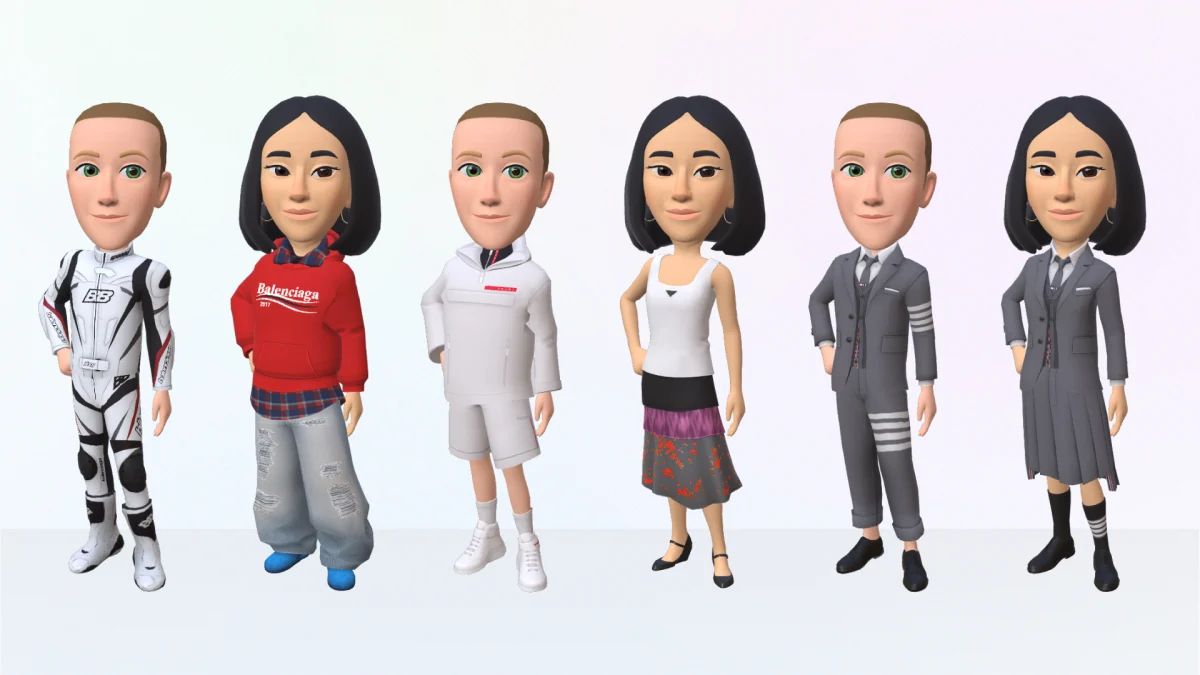
Avatars have gained new relevance in recent years as more companies and organizations employ them for a variety of use cases. Avatars are changing different sectors of the economy and may be utilized for a variety of tasks, including customer service, entertainment, education, health, and so on. Customers may have a more interesting and personalized experience thanks to avatars. They are able to conversely aid clients with their questions and offer fixes to their issues. An avatar of a customer service agent, for instance, may assist a consumer with placing an order or guiding them through a troubleshooting procedure. Customers can be welcomed and given introductory information about a company or product using avatars.

In order to give consumers more immersive and captivating experiences, avatars can be employed in video games, movies, and virtual reality applications. Users may personalize their avatars to suit their interests, giving them the freedom to explore virtual worlds and engage in interesting and engaging interactions with other users. For instance, a user can design an avatar that resembles themselves and go on an adventure with companions in a virtual metropolis. The usage of avatars on social media platforms may make the user experience more entertaining and participatory.

The educational sector is also utilizing avatars to improve the learning process. Students may study in a more individualized and immersive way by using avatars to create more dynamic and interesting online courses. Students may practice problem-solving abilities and decision-making in a secure and controlled setting by using avatars to imitate real-life circumstances. For instance, students can practice reacting to a medical emergency by using an avatar to imitate one.

The healthcare sector is another area where avatars are used. Doctors and nurses can employ avatars to help with patient care, especially when actual interaction is impractical or impossible. Avatars may be utilized to provide patients with a rudimentary understanding of their symptoms and available treatments, direct patients through exercises and rehabilitation, and even offer emotional support. An avatar, for instance, may direct a patient through physical therapy exercises and give them performance ratings.

Utilizing avatars may make advertising for goods and services more interesting and tailored. Avatars may be altered to represent the interests and traits of certain clients, enabling companies to develop tailored marketing strategies. An avatar of a famous person, for instance, may be used to advertise a brand-new perfume, and an avatar of a model, a new line of apparel.

Challenges


In addition to the benefits, there are also challenges when using avatars as a service. The quality of avatars can vary depending on the provider and method used. Users may have different expectations and preferences regarding the quality of their avatars. Privacy is also a concern, as avatars as a service involve collecting and processing personal data from users. Security risks include data breaches, hacking, identity theft, or fraud by malicious actors who may try to access or manipulate user data or avatars. Finally, ethical questions arise regarding the implications of creating and using digital representations of people or characters, such as issues of consent, ownership, authenticity, accountability, and responsibility. Despite these challenges, avatars as a service are gaining popularity as a means of personalizing and enhancing user engagement in various online environments

In conclusion, since they may improve interaction, personalization, and engagement, avatars are growing in popularity across a range of businesses. They are employed in marketing, advertising, education, healthcare, and customer service. Future use cases for avatars are likely to be increasingly creative as long as technology keeps developing. The way we engage with technology, one another, and our surroundings might change thanks to avatars.

To discover more about the various evolving use cases in different industries, kindly reach out to us at open-innovator@quotients.com.


Categories
Applied Innovation

Robots Powered by Computer Vision Finding Applications Across Industries

Categories
Applied Innovation

Robots Powered by Computer Vision Finding Applications Across Industries

Robots powered by computer vision are able to sense and interpret visual information from their surroundings and use that knowledge to complete tasks with a high degree of precision and flexibility.

These visually intelligent robotic systems have cameras and other sensors that record visual data. Algorithms that can detect and track objects, find patterns, and carry out other forms of image analysis subsequently interpret this data. The robot can then carry out activities like object detection, navigation, and manipulation thanks to the usage of this knowledge as a guide for its actions.

Robotic systems with visual intelligence are widely used in manufacturing, inspection, medical and agricultural fields. Industrial robots are capable of using computer vision to pick up items on an assembly line with high precision and speed. Robotic inspection can analyze faults in goods or components, making the process quicker and more precise. Medical robots can explore intricate anatomical structures and carry out surgeries with extreme precision and accuracy using computer vision. Robots for agriculture can use computer vision to identify and examine crops, improving crop management and harvesting.

Visually intelligent robotic systems have the potential to revolutionize numerous industries and applications. As these systems are capable of carrying out a wide variety of tasks that require visual perception and interpretation, there are numerous use cases for visually intelligent robotic systems. Here are a few instances:

– Visually intelligent robotic systems are capable of recognising and manipulating items in a range of environments, including manufacturing, logistics, and healthcare. These robots are capable of item detection, shape and size recognition, and complicated manipulation to carry out activities including assembling, packing, and material handling.


– Autonomous cars and drones employ computer vision to negotiate challenging settings and map their immediate surroundings. These machines are capable of spotting and dodging hazards, reading and comprehending road signs and markings, and devising effective routes to their destinations.


– Visually intelligent robotic systems may be used for inspection and quality control to check for flaws or damage in buildings, components, and finished goods. These machines can do measurements, analyse surface flaws, and spot anomalies that human inspectors would overlook.


– Applications in healthcare and medicine: Robotic systems with visual intelligence can help with therapeutic exercises and surgical operations. These robots can perform exact, precise motions that may be programmed to produce a certain result, lowering the possibility of human mistake.

– Application in agriculture: To detect and analyze crops, track plant development, and detect pests and illnesses, visually intelligent robotic systems can be employed in agriculture. As a result, fewer pesticides and other chemicals are required since crops may be managed more effectively and precisely.

In general, visually intelligent robotic systems have a wide range of uses in many different sectors and are playing a bigger role as businesses try to automate processes that demand sophisticated visual perception and interpretation.

We want to make innovation accessible from a functional standpoint and encourage your remarks. If you have inquiries about evolving use cases across various domains or want to share your views email us at open-innovator@quotients.com

Categories
Applied Innovation Retail

From Chatbots to Humanoids: A Look at the Diverse World of Virtual Beings

Categories
Applied Innovation Retail

From Chatbots to Humanoids: A Look at the Diverse World of Virtual Beings

A Virtual Being is a conversational avatar intended for lifelike human interaction driven by AI. An avatar is a digital representation of a person in a virtual environment used for communication or self-expression. Virtual beings, on the other hand, rely on cutting-edge technology like AI, NLP, and ML and are more complicated creatures created to interact with people in a lifelike manner. Even though both involve developing a digital image of a person, virtual beings are far more advanced and have a wider range of practical uses.

Virtual beings can be used for a range of tasks, including companionship, customer service, and entertainment. The capability of virtual entities to converse with humans in normal language is one of their distinguishing characteristics. They can appear in a variety of ways, such as animated characters on a screen or as humanoid robots. Additionally, they can be tailored to fit particular requirements and preferences by changing things like age, gender, and personality. Virtual beings can be endowed with a variety of different technologies, like facial recognition, emotion detection, and gesture recognition, in addition to their conversational skills. This enables individuals to react to non-verbal cues and engage in more subtle interactions with people.

Examples of Virtual Beings

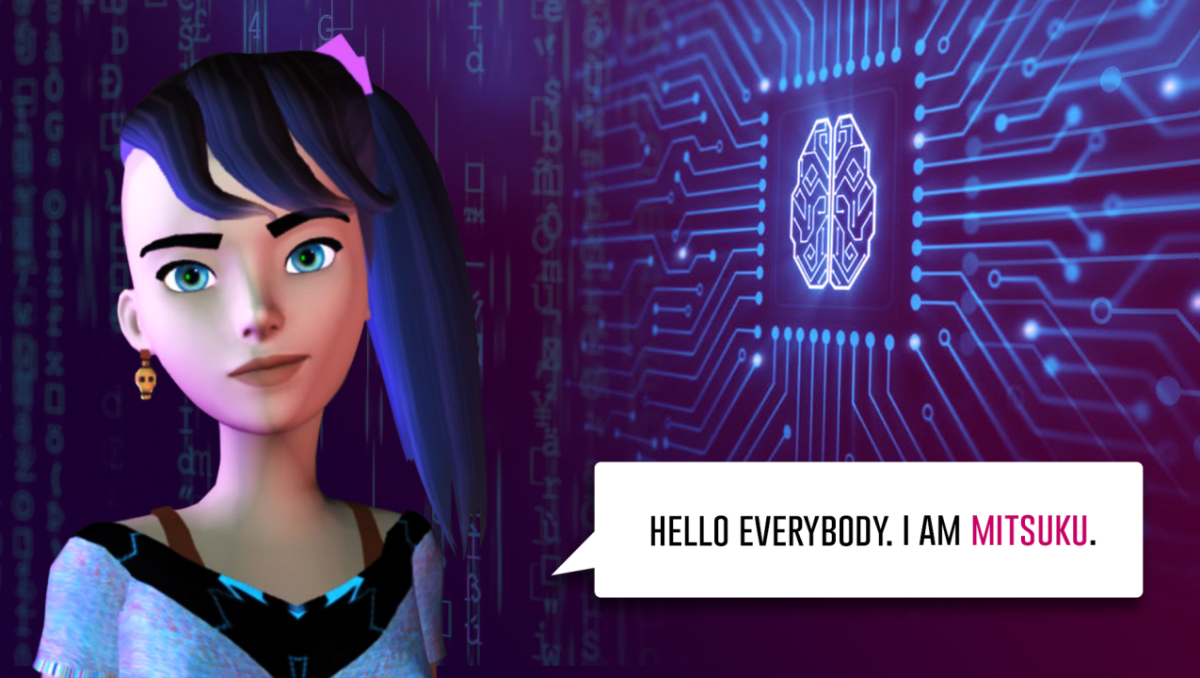
Chatbots and realistic humanoid robots are only two examples of increasingly common virtual entities. Mitsuku, a chatbot created by Steve Worswick, has received recognition for its capacity to carry on frank discussions with people. Another chatbot that adapts its replies based on human input is Replika. Magic Leap’s AI-driven chatbot Mica employs spatial computing to provide an immersive experience. Hanson Robotics created Sophia, a humanoid robot that can replicate facial expressions and have casual conversations with people. Last but not least, Soul Machines’ AI-powered virtual Zoe has been deployed in customer service applications and can communicate authentically with people.

Technologies Used in Virtual Beings

Virtual beings are made possible through a combination of several technologies, including artificial intelligence (AI), natural language processing (NLP), computer graphics, and machine learning (ML). AI forms the foundation of virtual beings, enabling them to understand and respond to human input in a natural and engaging way. NLP is used to teach virtual beings to understand and interpret human language, from casual speech to formal language. Computer graphics play an essential role in creating the visual representation of virtual beings, including their appearance and movements. ML algorithms train virtual beings to recognize patterns and make predictions based on large datasets of information, such as language or image data. Augmented reality (AR) and virtual reality (VR) technologies can be used to create immersive experiences with virtual beings, overlaying virtual objects onto the real world or creating entirely virtual environments for users to explore. As these technologies continue to evolve and improve, virtual beings will become even more advanced and capable, opening up new possibilities and applications in various industries

Natural language processing (NLP), machine learning (ML), and computer graphics are some of the technologies used to program virtual entities. The construction of a 3D model or avatar that will serve as the virtual being’s representation is usually the first step in the programming process for virtual beings. This may entail creating the avatar’s physical attributes, such as its look, attire, and range of motion. Next, natural language processing is used to give the virtual being the ability to comprehend and react to human input. For the virtual entity to comprehend and provide natural language replies, extensive linguistic training is required.

The market for Virtual Beings:

In a number of sectors, including healthcare, education, and entertainment, virtual beings are becoming more and more common. They provide a number of advantages, including scalability, personalization, and availability around the clock.

The market for virtual beings is expected to grow significantly in the coming years. According to a report by MarketsandMarkets, the global virtual and augmented reality market, which includes virtual beings, is projected to reach USD 125.32 billion by 2026, with a compound annual growth rate (CAGR) of 43.8% from 2021 to 2026.

The use of virtual beings is becoming increasingly popular in a range of industries, including healthcare, education, entertainment, and customer service. In the healthcare industry, virtual beings are being used to provide patient support and therapy, while in education, they are being used for virtual tutoring and training.

In the entertainment industry, virtual beings are being used for gaming and virtual experiences, while in customer service, they are being used to provide personalized assistance and support. The COVID-19 pandemic has also accelerated the adoption of virtual beings, as more companies and organizations look for ways to interact with customers and users remotely.

As virtual beings become more advanced and capable, they are likely to be used in even more industries and applications. For example, virtual beings could be used in manufacturing and industrial settings to improve productivity and safety, or in the automotive industry to provide virtual driving assistants.


Overall, the market for virtual beings is expected to continue growing as more companies and organizations look for ways to leverage AI and virtual technologies to improve customer experiences and streamline operations.

Virtual Beings in the Clothing Industry :

Virtual beings can be used in the clothing industry in a number of ways, including virtual try-on experiences, personalized styling, and virtual assistants. One of the most common applications of virtual beings in the clothing industry is virtual try-on experiences. These experiences allow customers to virtually try on clothing items and see how they would look on them before making a purchase. This can be done using augmented reality (AR) or virtual reality (VR) technology, which creates a realistic virtual representation of the clothing item on the customer’s body.

Another use of virtual beings in the clothing industry is personalized styling. Virtual beings can use data about the customer’s body type, style preferences, and past purchases to provide personalized recommendations for clothing items. This can be done through a chatbot or voice assistant that interacts with the customer and offers suggestions based on their input. Virtual assistants can also be used to help customers navigate the online shopping experience. These assistants can answer customer questions, provide product recommendations, and help with checkout and payment processes. They can be powered by AI and NLP technology to provide a natural language conversation experience.

Overall, virtual beings offer a range of opportunities for the clothing industry to enhance the customer experience, increase sales, and improve customer satisfaction. However, the ethical and social ramifications of virtual creatures, such as how they could affect human relationships and how they might be abused, are also a source of worry. It’s important to ensure that these technologies are used in a way that is ethical, transparent, and respects customer privacy.

Please write to us at open-innovator@quotients.com to learn more about Virtual Beings and startups working on its diverse use cases.