Categories
Evolving Use Cases

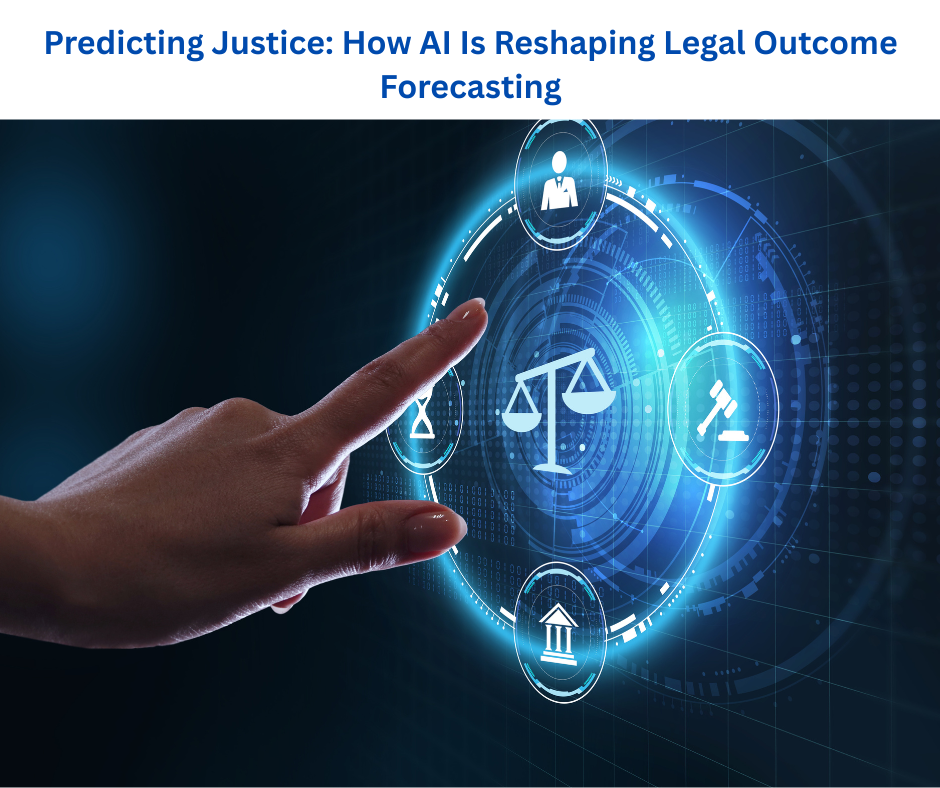
Predicting Justice: How AI Is Reshaping Legal Outcome Forecasting

Categories
Evolving Use Cases

Predicting Justice: How AI Is Reshaping Legal Outcome Forecasting

In a time when sectors are changing due to data-driven decision-making, the legal profession is quietly going through a revolution. Once viewed as a far-off frontier, artificial intelligence (AI) is now a strategic ally in forecasting the result of legal cases, improving litigation tactics, and increasing the accuracy of legal research. Algorithm by algorithm, the future of legal practice is being rewritten, from explainable AI systems that demystify judicial reasoning to machine learning models based on court decisions.

Machine Learning Models: From Precedent to Prediction

The use of machine learning models trained on enormous databases of legal documents, including court decisions, legal briefs, and case law, is at the core of this change. These models produce probabilistic predictions of future case outcomes by identifying patterns and trends in historical data. Predictive insights give lawyers the ability to plan more effectively and assess risks more intelligently.

Litigation Analytics Platforms: Data-Driven Legal Strategy

In order to conduct predictive analytics, platforms such as Lex Machina and Bloomberg Law’s AI modules compile a vast amount of legal data, including case law, court rulings, and past results. These technologies assist firms improve their strategy and more confidently manage risks by providing attorneys with a comprehensive perspective of courtroom conduct, judge proclivities, and litigation trajectories.

Automated Brief Analysis: Elevating Legal Drafting

By automating citation checks and making recommendations for enhancements based on past citation trends and legal arguments, AI-powered brief analyzers are transforming legal research. By highlighting patterns ingrained in legal reasoning, these tools not only expedite document analysis but also subtly aid in outcome prediction.

Large Language Models: Understanding Legal Complexity

These days, large language models (LLMs), like GPT-based systems, can analyze complicated legal terminology, forecast outcomes, and extract important facts from legal texts. These methods enable professionals to more easily negotiate complex legal circumstances and democratize access to legal knowledge.

Explainable AI: Building Trust in Legal Tech

Transparency is crucial as AI becomes more integrated into legal decision-making. Lawyers and judges can comprehend the reasons impacting results thanks to explainable AI systems, which provide interpretable logic behind forecasts. This improves the caliber of legal reasoning in addition to fostering trust.

Toward a Smarter Justice System

AI is enhancing the skills of legal professionals, not replacing them. These tools are assisting attorneys in navigating complexity, lowering uncertainty, and improving client outcomes by converting historical data into actionable foresight. The legal profession is positioned to become more equal, transparent, and strategic as well as smarter as adoption increases.

Reach out to us at open-innovator@quotients.com or drop us a line to delve into the transformative potential of groundbreaking technologies. We’d love to explore the possibilities with you


Categories
Evolving Use Cases

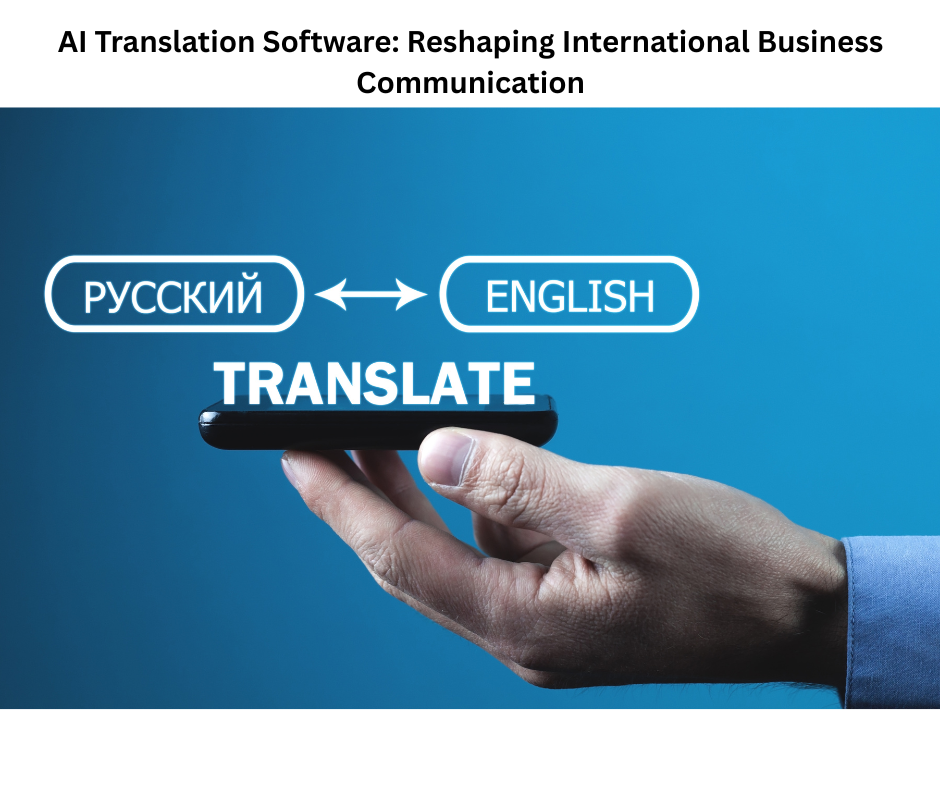
AI Translation tools: Reshaping International Business Communication

Categories
Evolving Use Cases

AI Translation tools: Reshaping International Business Communication

In the interconnected global marketplace, clear multilingual communication has transitioned from advantageous to essential. Organizations navigating international agreements, coordinating remote teams, or addressing customers in multiple languages must demonstrate precision, expertise, and cultural awareness consistently. Yet linguistic differences continue to hinder truly fluid global operations. 

Conventional solutions like professional translators or multilingual employees remain effective but present limitations: they’re resource-intensive, expensive, and challenging to expand. AI translation tools now offer transformative potential, revolutionizing how companies create cross-border communications. These systems deliver dependable, contextually-aware preliminary versions, accelerating standardized and strategically aligned global exchanges. 

The Evolution of AI Translation: From Utility to Strategy 

Recent years witnessed dramatic advances in translation technology. Primitive systems produced stiff, inaccurate outputs through direct word substitution. Modern neural machine translation (NMT) and natural language processing (NLP) platforms deliver nuanced comprehension of context, tone, and specialized vocabulary. They generate not just structurally sound but professionally refined and culturally considerate drafts. 

This progression from functional aid to strategic asset marks a pivotal change. Translation AI now underpins global operations rather than merely assisting them. By creating robust initial translations, these tools free professionals to concentrate on subtle refinements, message customization, and relationship cultivation instead of translation mechanics. 

Enhancing Business Correspondence: Speed, Consistency, and Clarity 

The most significant business application of AI translation is in professional communications. Emails, proposals, reports, and internal documents must all be clear and aligned with the brand, regardless of language. AI tools enable this by producing appropriate-toned rough drafts, maintaining terminology consistency across languages, and accelerating multilingual response cycles.

Consider a company entering Latin American markets using AI to create Spanish proposals mirroring their English counterparts’ structure. Support teams resolve inquiries in customers’ native languages within minutes. European and Asian divisions collaborate efficiently with instantly translated updates. These efficiencies yield measurable benefits: quicker decisions, enhanced customer loyalty, and stronger international partnerships. 

Integration into Enterprise Workflows 

Contemporary AI translation platforms integrate smoothly with corporate ecosystems. They connect to CRM systems, CMS platforms, chatbots, and collaborative tools, embedding multilingual capabilities directly into operational workflows rather than treating translation as isolated tasks. 

Such functionalities prove invaluable in regulated sectors like law, finance, and healthcare where exactness and uniformity are non-negotiable. Organizations ensure compliance while maintaining professional clarity in translated materials. 

The Human-AI Collaboration Model 

While powerful, AI translation doesn’t supplant human judgment—it enables synergistic partnerships. Systems handle foundational work while professionals provide contextual refinement, balancing efficiency with authenticity. 

Users enhance AI-generated drafts with cultural insights, strategic emphasis, or stakeholder-specific adjustments. This hybrid approach proves crucial for sensitive communications: investor presentations, government submissions, or media statements where precision carries significant weight. Additionally, businesses scale operations sustainably—routine messaging benefits from speed and cost savings, while strategic content receives necessary human attention. 

Cultural Fluency and Strategic Messaging 

Beyond linguistic precision, translation software advances cultural fluency—the cornerstone of effective international engagement. By interpreting context and modifying expressions, these tools help companies evade pitfalls like misplaced idioms, tonal discord, or culturally inappropriate phrasing. 

This proves especially vital where communication conventions diverge sharply. Translation AI navigates these nuances, ensuring messages resonate locally. Thus the technology evolves from mere converter to strategic communications ally, crafting messages that build cross-cultural trust through genuine understanding. 

Use Cases Across Industries 

Diverse sectors adopt AI translation for specialized needs: 

•          E-commerce: Adapting product details, reviews, and support content for global markets 

•          Education: Translating curricula and student communications internationally 

•          Finance: Maintaining compliance in multilingual financial disclosures 

•          Healthcare: Enabling multilingual patient interactions and documentation 

Each application accelerates processes, lowers expenses, and elevates user experiences through reliable preliminary translations. 

Challenges and Considerations 

Despite advantages, translation AI presents limitations. Accuracy fluctuates based on language combinations, technical complexity, and platform capabilities. Critical content often warrants human verification for compliance and appropriateness. While learning algorithms improve continuously, their development relies on quality data inputs and user feedback. 

Businesses should therefore implement translation technology strategically—selecting suitable platforms, training teams effectively, and establishing review procedures for vital communications. Thoughtful deployment transforms AI translation into a formidable component of global operational infrastructure. 

The Future of AI Translation in Business 

The business importance of translation technology will grow significantly as it develops. Future developments could include tone-sensitive messaging via sentiment analysis, real-time verbal translation during conferences, and closer connection with AI writing assistance for all-encompassing content creation.

These advances will further integrate translation with strategic communication, empowering more agile and empathetic cross-border operations. 

Conclusion: A Strategic Enabler for Global Engagement 

AI translation technology fundamentally reshapes international business communication. By generating dependable preliminary correspondence drafts, it facilitates swifter, clearer, and culturally intelligent messaging. Professionals gain freedom to focus on strategy and relationships while ensuring linguistic consistency and operational efficiency. 

Where language can either divide or connect, translation AI helps businesses build bridges. This technology emerges not merely as a tool but as a strategic catalyst for worldwide collaboration, engagement, and expansion.

Reach out to us at open-innovator@quotients.com or drop us a line to delve into the transformative potential of groundbreaking technologies. We’d love to explore the possibilities with you

Categories
Healthtech Evolving Use Cases

AI-Assisted Radiology: A Paradigm Shift in Medical Imaging

Categories
Healthtech Evolving Use Cases

AI-Assisted Radiology: A Paradigm Shift in Medical Imaging

The Evolution of Radiology

Radiology has played a crucial role in modern medicine by enabling physicians to see the human body’s internal workings with extraordinary clarity. Imaging has been essential to diagnosis and treatment planning from the first discovery of X-rays and continues to be so today with advanced technologies like MRIs and CT scans. However, radiologists are finding it increasingly difficult to interpret these images due to the growing complexity and volume of data.

The Emergence of AI in Radiology

In radiology, artificial intelligence (AI) has become a revolutionary ally. It enhances human expertise rather than replaces it, providing accuracy and efficiency to match medical experts’ abilities. Deep learning, computer vision, and clinical expertise are all combined in AI-assisted radiology to completely transform the diagnostic field.

Beyond automation, artificial intelligence (AI) has the potential to make radiology a proactive field. AI has the potential to change the focus from reactive to preventive and customized treatment by developing algorithms that can recognize early illness signs and detect minor abnormalities. In healthcare settings, where AI tools help prioritize urgent cases and streamline operations, this development is already apparent.

Deep Learning and the New Frontier

The development of deep learning has been crucial to enhancing AI’s radiological capabilities. Beyond the constraints of conventional rule-based systems, advanced neural networks may now evaluate disease progression, differentiate between benign and malignant lesions, and propose potential diagnoses.

Clinical Practice and the AI-Radiologist Alliance

AI is being used more and more in imaging centers and hospitals to help radiologists with triage. It ensures that patients receive prompt and proper care by identifying urgent situations, such as those that indicate pulmonary embolism or pneumothorax. This is particularly important in emergency situations.

AI contributes to image quality enhancement in addition to image interpretation. Algorithms, for example, can minimize radiation exposure by reconstructing detailed images from low-dose CT scans. Furthermore, AI-powered MRI methods shorten scan times without sacrificing diagnostic precision.

The Global Impact of AI in Radiology

Because of its versatility, AI is a vital tool for resolving healthcare inequities. It can be modified and retrained to fit different imaging methods and illnesses, offering decision support in areas where radiologists are in short supply. This capacity is essential for enhancing health outcomes for a variety of populations.

However, there are obstacles to overcome when incorporating AI into radiology, such as making sure algorithms are impartial and that their decision-making procedures are open. Thorough validation of AI tools is crucial, as is the ability of radiologists to challenge and evaluate AI-generated results.

Collaboration: The Key to Successful AI Integration

To create AI solutions that are efficient, fair, and reliable, radiologists, data scientists, ethicists, and regulators must work together. This entails establishing precise guidelines for governance, openness, and validation.

In order to prepare future medical professionals for a practice that blends human judgment with machine intelligence, medical education must be reevaluated in light of the integration of AI in healthcare.

The potential of deeptech solutions in healthcare is best demonstrated by AI-assisted radiography. It demonstrates how teamwork may result in inventions that cut across boundaries and benefit a range of stakeholders.

Future Horizons in AI-Driven Radiology

The application of AI in radiology is a microcosm of the broader trend in healthcare toward patient-centered, data-driven care. It changes medical practice across a range of disciplines by facilitating risk assessment, longitudinal analysis, and customized treatment planning.

With federated learning techniques to protect data privacy, multimodal systems for comprehensive diagnosis, and generative models for training unusual conditions, the promise of AI in radiology keeps growing.

Stakeholder engagement and effective communication are essential for the successful application of AI in healthcare. We can hasten this change and make sure that everyone gains from it by encouraging cooperation and trust.

AI-assisted radiology is a significant shift in medical imaging, not just a technical breakthrough. It redefines the future of medicine, improves patient care, and gives physicians more authority. It is crucial that we innovate with a purpose and create a cooperative future as we manage this change.

Reach out to us at open-innovator@quotients.com or drop us a line to delve into the transformative potential of groundbreaking technologies. We’d love to explore the possibilities with you

Categories
Evolving Use Cases

AI-Enabled Noninvasive Cardiovascular Risk Assessment: Redefining the Landscape of Preventive Cardiology

Categories
Evolving Use Cases

AI-Enabled Noninvasive Cardiovascular Risk Assessment: Redefining the Landscape of Preventive Cardiology

Cardiovascular diseases (CVDs) continue to plague the world as the foremost cause of mortality, with Asia expecting an alarming rise to nearly 700 million cases by 2025. This persistent health crisis necessitates the development and implementation of innovative, scalable diagnostic solutions to facilitate early detection and tailored patient treatment.

Limitations Of Traditional Methods

The traditional methods of cardiovascular diagnostics come with a number of serious drawbacks, although cardiac catheterization and other conventional diagnostic techniques for CVDs have been shown to be accurate. These include the possibility of infection and bleeding, as well as radiation exposure. In addition, these treatments are expensive and time-consuming, which restricts their availability and leads to variable results because different doctors interpret them differently. The integration of artificial intelligence (AI) in cardiovascular diagnostics has been made possible by the pressing need to overcome these obstacles.

Artificial Intelligence Revolutionizing Cardiovascular Diagnostics

Through the introduction of numerous noninvasive techniques that can be used for early intervention and individualized patient care, artificial intelligence is transforming the field of cardiovascular diagnostics. These developments could democratize advanced diagnostic capabilities, making them available to a wider range of patient populations and healthcare settings. The field of AI solutions for cardiovascular diagnostics is broad and includes a number of cutting-edge strategies.

One such method uses artificial intelligence (AI) algorithms to quickly and accurately detect artery stenosis in advanced analysis of imaging techniques like coronary computed tomography angiography (CCTA). This improves the diagnostic process’s efficiency by drastically cutting down on the amount of time needed for interpretation. Another is the use of AI-enabled mobile applications that can identify coronary calcium deposits in ordinary photos, increasing the likelihood of early identification of possible cardiac problems.

Convolutional neural networks (CNNs) are also being used to analyze retinal images in order to predict cardiovascular risks, providing a noninvasive and economical primary care screening technique. AI-powered real-time monitoring systems that can read electrocardiograms (ECGs) and identify arrhythmias are also becoming more and more common, giving medical personnel timely warnings and alerts. Large language models (LLMs) are also being utilized to tailor patient communications, providing them with ongoing risk information and encouraging interaction.

Market Projections

According to Precedence Research, the global market for artificial intelligence in cardiology is projected to expand dramatically—from $2.57 billion in 2025 to $36.76 billion by 2034, reflecting a compound annual growth rate (CAGR) of 34.41% source. This surge is fueled by a confluence of factors, most notably the exceptional predictive accuracy of AI models in cardiovascular risk assessment. For instance, a recent study published in MDPI showcased a hybrid ensemble learning framework, HeartEnsembleNet, which achieved 93.08% accuracy in identifying cardiac risk profiles source.

Moreover, the cost-effectiveness of AI-driven diagnostics and decision-support tools is increasingly evident. A systematic review in npj Digital Medicine highlighted that AI applications in healthcare—including cardiology—consistently deliver favorable incremental cost-effectiveness ratios, often well below conventional thresholds source. These technologies not only reduce unnecessary procedures but also enhance clinical outcomes, making them a compelling value proposition for providers and payers alike.

The strategic ramifications of adopting AI in cardiovascular diagnostics are numerous for market participants. Developing scalable solutions, encouraging interdisciplinary teamwork, and developing engaging narratives that appeal to stakeholders should be the main priorities. Furthermore, to guarantee that new AI systems can be easily integrated with current healthcare infrastructures, market penetration strategies must be supplemented with a strong emphasis on interoperability. Gaining the confidence of patients and the medical community depends heavily on regulatory compliance and thorough clinical validation.

The Way Ahead

Future developments in AI for cardiovascular risk assessment include the creation of multi-modal AI systems that integrate many diagnostic data sources for a more comprehensive assessment. It is also projected that the development of predictive analytics skills and real-time decision assistance will become essential elements of cardiovascular care. Additionally, there will probably be a lot of attention paid to optimizing customized treatment plans, which will allow medical professionals to provide the best interventions depending on the unique characteristics of each patient.

However, addressing the changing regulatory environment and policy frameworks is necessary to realize these encouraging opportunities. Clear standards for the use of AI in diagnostics, including data sharing agreements that safeguard patient privacy while promoting research and innovation, must be established by governments and healthcare organizations in concert. In order to encourage the adoption of new technologies and guarantee their sustainability within the healthcare system, changes must also be made to reimbursement structures and quality assurance standards.

In conclusion, a critical turning point in the development of preventive cardiology is the incorporation of AI into noninvasive cardiovascular risk assessment. The way cardiovascular diseases are treated is about to change as a result of the interaction of technology, clinical knowledge, and market factors. Prioritizing therapeutic value, encouraging interdisciplinary collaboration, making significant investments in comprehensive validation, making scalability plans, and remaining steadfastly committed to innovation are all essential for success in this field. In addition to potentially greatly reducing the worldwide burden of CVDs, this change could also result in a more effective and efficient healthcare system that benefits both patients and professionals.

Reach out to us at open-innovator@quotients.com or drop us a line to delve into the transformative potential of groundbreaking technologies. We’d love to explore the possibilities with you

Categories
Evolving Use Cases

Supply Chain Optimization: Enhancing Efficiency with Advanced Technologies

Categories
Evolving Use Cases

Supply Chain Optimization: Enhancing Efficiency with Advanced Technologies

In today’s competitive corporate climate, supply chain optimization is an essential technique for increasing efficiency, lowering costs, and boosting customer satisfaction. Advanced technologies like IoT, AI, and blockchain are transforming supply chain management by enabling real-time visibility, predictive analytics, and increased security. This article delves into how supply chain optimization works, its advantages, and the common procedures involved.

The Mechanics of Supply Chain Optimization

Supply chain optimisation entails adopting cutting-edge technology and data-driven techniques to simplify processes, reduce waste, and increase productivity. Here’s a step-by-step explanation of the normal procedure:

  1. Data Collection and Integration: The collecting and integration of data from numerous sources, including suppliers, manufacturers, warehouses, and logistics providers, is the first step in supply chain optimisation. This information is obtained by IoT sensors, RFID tags, and other tracking technologies.
  2. Analyzing and Modeling: Advanced analytics and AI algorithms use gathered data to spot patterns, forecast demand, and optimise inventory levels. Simulation models are used to evaluate various situations and identify the most effective solutions.
  3. Planning and Forecasting: Based on the findings, supply chain planners can estimate demand, manage production schedules, and efficiently allocate resources. Predictive analytics aids in forecasting market trends and adapting tactics accordingly.
  4. Inventory Management: Optimised inventory management guarantees that the appropriate amount of stock is kept at each level of the supply chain. Automated systems monitor inventory levels in real time, lowering the risk of overstocking and stockouts.
  5. Transportation and Logistics: Transportation management systems (TMS) optimise route, scheduling, and load planning to save costs and speed up delivery times. Real-time tracking and visibility technologies give information about shipment progress and any delays.
  6. Continuous Monitoring and Improvement: The supply chain is constantly monitored via real-time data and performance measurements. Continuous improvement procedures are used to detect bottlenecks, simplify operations, and increase overall efficiency.

Handling Different Scenarios

Supply chain optimization is designed to be flexible and responsive to various scenarios:

Demand Fluctuations: Advanced forecasting technologies detect demand changes, allowing supply chain managers to alter production schedules and inventory levels as needed.

Disruptions and Delays: Real-time tracking and visibility solutions alert users to potential interruptions including as delays, equipment breakdowns, and natural disasters. Contingency plans are launched to reduce the effect and ensure continuation.

Supplier Issues: Supplier performance is constantly reviewed, and alternative suppliers are found and onboarded to provide a stable supply chain.

Benefits of Supply Chain Optimization

The adoption of supply chain optimization offers numerous advantages:

Increased Efficiency:Streamlined processes and optimised resource allocation lead to greater efficiency and production throughout the supply chain.

Cost Reduction: Supply chain optimisation saves money by minimising waste, lowering inventory costs, and optimising transportation.

Improved Customer Satisfaction: Faster delivery times, more precise order fulfilment, and more product availability all contribute to higher customer satisfaction and loyalty.

Enhanced Visibility and Control:Real-time data and analytics enable complete insight and control of the supply chain, allowing for proactive decision-making.

Risk Mitigation: Advanced technologies aid in recognising and managing risks, resulting in a robust and dependable supply chain.

Ensuring Security and Compliance: Supply chain optimisation must adhere to industry norms and standards to safeguard data security and privacy. Blockchain technology is frequently utilised to improve transparency and traceability, while strong cybersecurity measures prevent data breaches and cyber attacks.

Take Away:

Supply chain optimisation is changing how organisations function by combining sophisticated technology and data-driven methods to increase efficiency, save costs, and improve customer satisfaction. As technology advances, supply chain optimisation will become increasingly important in determining firm success and competitiveness in the global market.

Contact us at open-innovator@quotients.com to schedule a consultation and explore the transformative potential of this innovative technology.

Categories
Evolving Use Cases

How is Remote Patient Assistance Revolutionizing Healthcare

Categories
Evolving Use Cases

How is Remote Patient Assistance Revolutionizing Healthcare

In today’s healthcare world, remote patient support has emerged as a vital innovation that bridges the gap between patients and clinicians. Telehealth systems provide medical consultations and help without requiring physical presence, making healthcare more accessible and convenient. Here we look at how remote patient support works, its benefits, and the common procedures required.

The Mechanics of Remote Patient Assistance

Remote patient help makes use of telehealth technologies, which allow patients and healthcare practitioners to confer virtually. Here’s a step-by-step explanation of the normal procedure:

  1. Patient Login: Patients start by logging onto the telehealth portal with their credentials. This secure login protects personal health information.
  2. Requesting a consultation: Patients can seek a remote consultation by choosing an available healthcare professional and making an appointment. The system verifies the appointment and notifies both the patient and the physician.
  3. Conducting the consultation: At the appointed time, the patient and healthcare professional connect via a secure video conversation on the telehealth platform. The healthcare professional evaluates the patient’s medical history and present symptoms, conducts the consultation, and offers medical advice, diagnosis, or therapy suggestions.
  4. Documentation and Follow-up: Following the consultation, the healthcare professional notes the encounter and updates the patient’s medical records. The patient is given a summary of the consultation, which includes any prescriptions or follow-up instructions.

Handling many scenarios.

Remote patient support is intended to be adaptable and responsive to a variety of settings.

  1. Emergency Situations

In an emergency, patients can specify the urgency of their consultation request. The telehealth system prioritises these requests and sends them to the nearest available healthcare professional for prompt attention.

2. Technical issues

Telehealth systems are designed to tackle technological concerns. If a video call connection breaks, the system will attempt to reconnect automatically. If the problem persists, the healthcare professional may call the patient by phone or postpone the session.

3. Rescheduling Appointments

Patients may simply cancel or reschedule appointments using the telemedicine platform. The system alerts the healthcare provider of the changes to ensure proper coordination and communication.

Benefits of Remote Patient Assistance

The deployment of remote patient support has various benefits:

Increased accessibility: Patients in rural or underdeveloped locations can receive medical care without travelling. This is especially advantageous for people who have mobility challenges or live far away from healthcare services.

Convenience and Time Saving: Remote consultations save time for both patients and medical professionals. Patients may get medical advice from the comfort of their own homes, and providers can manage their schedules more effectively.

Enhanced Patient Engagement: Telehealth solutions provide continuous patient monitoring and follow-up, resulting in increased patient participation and adherence to treatment recommendations.

Cost-Effective Care: Remote consultations can help to minimise healthcare expenditures by eliminating the need for in-person visits and their related expenses, such as transportation and time off work.

Ensure security and compliance: Telehealth systems must adhere to healthcare legislation and standards, such as HIPAA in the United States (DISHA in India), to safeguard patient data and privacy. Strong security measures, like as encryption and secure login methods, are required to ensure the confidentiality and integrity of patient data.

Conclusion
Remote patient support is altering the healthcare business by making medical treatment more accessible, convenient, and affordable. Healthcare practitioners may give high-quality treatment to patients regardless of their location by utilizing telehealth systems, hence boosting health outcomes and patient satisfaction. As technology advances, remote patient help will become increasingly important in the future of healthcare.

Contact us at Open-innovator@quotients.com to schedule a consultation and explore the transformative potential of this innovative technology.