



Categories
Global News of Significance

Technology Trends Reshaping 2025: AI, Quantum Computing, and Beyond

Categories
Global News of Significance

Technology Trends Reshaping 2025: AI, Quantum Computing, and Beyond

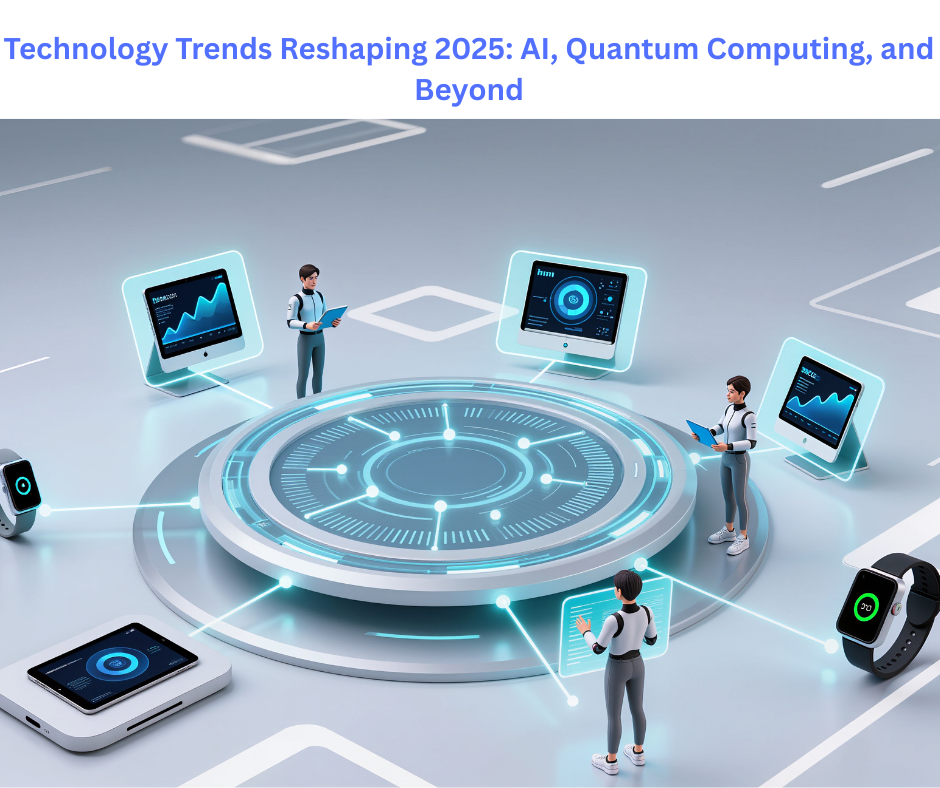
In 2025, the technology landscape is undergoing unparalleled change in a number of areas. The rate of innovation keeps speeding up, from autonomous AI agents transforming business operations to quantum computers moving from research labs to commercial applications. This thorough analysis looks at the most important technology developments that are reshaping sectors and creating new commercial and research opportunities.

The Rise of Autonomous AI Agents

Artificial intelligence is now much more advanced than simple chatbots. In 2025, autonomous AI agents that can operate without human input are becoming essential to business operations, marking a significant change in how companies use AI technology.

These advanced agents perform continuous data analysis, automate multi-step business processes, and communicate directly with other software systems. Compared to earlier AI tool generations that needed ongoing human supervision and involvement, this represents a substantial advancement. These agents’ autonomy allows them to manage intricate workflows, make choices based on real-time data, and adjust to changing circumstances without requiring manual reconfiguration.

Copilots and generative AI are concurrently speeding up coding, decision-making, and content production across industries. Driven by developments in massive language models, agentic AI has become a key enabler in a number of industries, radically altering the way work is done. These systems are being implemented by organizations as essential parts of their operational architecture, not only to increase efficiency.

Notable examples include the incorporation of AI into digital twins, cyber-physical systems, and edge computing. By removing latency problems and facilitating automation at the data generating stage, these apps enable real-time insights and quicker reaction times. Applications ranging from smart city infrastructure to industry automation are finding that this distributed approach to AI implementation is crucial.

Semiconductor Industry: Powering the AI Revolution

The semiconductor industry is going through an unprecedented period of growth in terms of both size and strategic significance. The sector is experiencing rapid innovation and significant investment due to the demand for AI chips and high-performance processors.

In order to support generative AI workloads, specialized AI accelerators and graphics processing units have become essential. The market is reacting with impressive growth forecasts: sales of generative AI chips are predicted to reach $150 billion in 2025 alone. Companies are accelerating their development schedules as a result of this growing demand, which is changing the competitive landscape.

The production of advanced chips is developing at a breakneck speed. Higher transistor density and increased power efficiency are made possible by the development of node technology, which is a major milestone in shrinking. More integration and performance improvements that were previously unattainable are now available thanks to advanced packaging techniques like TSMC’s CoWoS (Chip-on-Wafer-on-Substrate) technology. In order to meet the computing requirements of next-generation AI applications, these manufacturing advancements are essential.

The market for memory is changing, especially in the area of High-Bandwidth Memory (HBM). Because it provides the data throughput required for training and operating big AI models, this specialized memory technology has become crucial for AI accelerators. Due to the unquenchable desire for quicker, more effective memory solutions, the HBM industry is predicted to propel overall memory revenues up by an astounding rate in 2025.

The development of neuromorphic circuits, which imitate organic neural systems to provide incredibly effective AI processing, is arguably the most fascinating. A radically different approach to computing is represented by these specialized processors, which may allow for the development of new kinds of applications with significantly reduced power requirements.

Quantum Computing: From Laboratory to Marketplace

In 2025, quantum computing has reached a turning point, moving from strictly scholarly study to early commercial influence. This change is the result of years of consistent work to overcome the basic obstacles that have long prevented quantum computing from being used outside of research facilities.

Significant gains in qubit performance, including improved coherence times and reduced error rates, have been made recently. More useful quantum systems are being made possible by the integration of specialized hardware and software, and hybrid quantum-AI systems are creating new opportunities by fusing the advantages of both processing paradigms.

Quantum computing’s application fields are growing quickly and getting more tangible. Quantum simulations, which can predict chemical interactions with previously unheard-of accuracy, are helping in drug discovery. Quantum computing is being used in climate modeling applications to process complicated atmospheric and oceanic data at previously unattainable scales. While post-quantum cryptography initiatives are planning for a future where conventional encryption techniques may be susceptible, materials science researchers are harnessing quantum systems to create novel materials with particular features.

These applications are no longer just theoretical. Pharmaceutical businesses, climate research institutes, and materials manufacturers are investing in quantum computing capabilities, which is driving real-world pilots across industries. The technology is demonstrating its worth by resolving optimization issues and simulations that are too complex for traditional computers.

Governments and business executives are increasing investments and workforce development programs in recognition of the strategic significance of quantum technology. With countries seeing quantum capacity as crucial to their future technical and economic competitiveness, the battle to take the lead in quantum computing is getting fiercer.

Next-Generation Connectivity and Extended Reality

The networking infrastructure that facilitates digital transformation is changing quickly. The capabilities and reach of 5G and next-generation wireless networks are growing, radically altering the possibilities for mobile communication.

5G is making real-time, high-bandwidth applications possible on a large scale, with rates as high as 20 gigabits per second. Both the deployment of augmented and virtual reality systems and the Internet of Things are greatly benefiting from this increased connectedness. Most importantly, 5G is enabling autonomous cars by supplying the high-reliability, low-latency connectivity required for safe operation.

Systems for virtual reality and augmented reality are evolving on their own, with advancements in wearability, resolution, and interaction propelling acceptance in a variety of industries. Although gaming is still a significant business, the technology is rapidly being used in healthcare, education, and industrial training. Long usage sessions are now feasible for the first time thanks to the enhanced fidelity and comfort of contemporary XR devices.

These days, immersive job training programs that lower costs and increase safety are powered by extended reality technologies. While remote work and cooperation are changing due to the merging of digital and physical environments, virtual campuses are increasing access to education. The way people engage with information and with one another over long distances has been fundamentally expanded by these technologies.

Sustainable Technology Infrastructure

AI and advanced computing’s massive energy requirements are posing new problems and spurring innovation in energy infrastructure. The technology sector is searching for sustainable solutions as a result of the enormous amounts of electricity needed to run data centers at scale and train massive AI models.

There is a resurgence of interest in nuclear power as a remedy for these energy problems. In order to supply clean, dependable electricity for data centers and high-performance computing facilities, next-generation reactors are being built.

Innovations in batteries and renewable energy technologies, aside from nuclear energy, are growing quickly. In order to meet both short-term environmental aims and long-term climate change objectives, carbon capture systems are being implemented to offset emissions. The technology industry is realizing more and more that sustainable operations are crucial for long-term viability from both an environmental and strategic standpoint.

Biotechnology: AI Meets Life Sciences

In 2025, biotechnology and artificial intelligence are coming together to produce amazing discoveries. AI algorithms that can forecast editing results and improve targeting tactics are improving gene-editing tools like CRISPR. The period from pathogen identification to effective vaccine candidates is being accelerated by new platforms for vaccine development. Finding interesting medicinal molecules is becoming much faster and less expensive thanks to AI-enhanced drug discovery.

With AI algorithms evaluating genetic data to suggest customized treatment plans, personalized medicine is becoming more and more feasible. These same technologies are being used in agriculture to create resilient crops that can sustain or increase yields while withstanding climate difficulties.

AI-powered digital health solutions and synthetic biology are developing completely new diagnostic and therapeutic categories. Emerging bio-based manufacturing techniques have the potential to replace conventional chemical processes with more environmentally friendly biological ones. These developments signify a profound extension of the possibilities in biological engineering and healthcare.

Looking Ahead

The technical innovations of 2025 are linked patterns that support and magnify one another rather than discrete breakthroughs. The need for sophisticated semiconductors, which enable more potent AI systems, is fueled by AI. While AI optimizes quantum systems, quantum computing promises to speed up AI development. While demanding sophisticated connectivity and computing capacity, extended reality develops new interfaces for intricate technologies.

When taken as a whole, these developments are speeding up digital transformation in every industry area. They are enabling innovative business models, expanding the boundaries of research, and radically changing operating paradigms. The state of technology in 2025 reflects not only little but significant advancements but also a number of turning points that will influence the course of innovation for years to come.

As these technologies develop and converge, their influence will go much beyond the technology industry itself, affecting every facet of how we work, communicate, learn, and address society’s major problems. 2025’s breakthroughs are setting the stage for a future that will be more digital, linked, and able to solve issues that were previously thought to be unsolvable.

Quotients is a platform for industry, innovators, and investors to build a competetive edge in this age of disruption. We work with our partners to meet this challenge of metamorphic shift that is taking place in the world of technology and businesses by focusing on key organisational quotients. Reach out to us at open-innovator@quotients.com

Categories
Agility Quotient

Breath Analysis Technologies: Non-Invasive Health Screening Tools

Categories
Agility Quotient

Breath Analysis Technologies: Non-Invasive Health Screening Tools

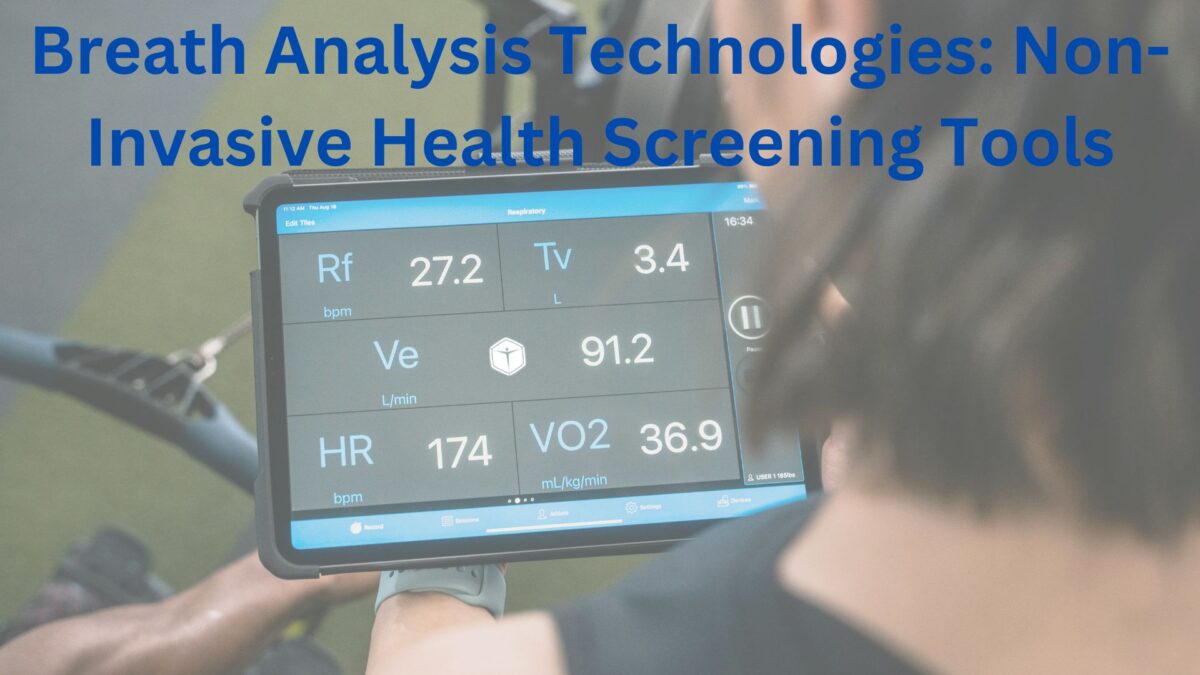
Breath analysis technologies are becoming popular as non-invasive tools for personal health screening by detecting volatile organic compound (VOC) biomarkers. These devices examine exhaled breath to pinpoint biomarkers linked to different diseases, providing opportunities for early diagnosis, patient stratification, treatment monitoring, and measuring exposure to harmful substances.

Handheld Breath Collection Devices

Handheld breath collection devices are designed to effectively identify disease biomarkers related to conditions like asthma, lung cancer, and diabetes. These devices gather and separate the gas and liquid phases of breath. By cooling the water vapor in the exhaled breath, moisture is removed from the gas phase, and each phase is directed to specific collection ports. The samples are subsequently analyzed using gas or liquid chromatography to detect biomarkers. This approach enables accurate analysis of the components in exhaled breath.

Smart Masks

Smart masks combine microfluidic and cooling technologies to continuously gather and analyze exhaled breath condensate. These innovative masks offer valuable insights into health issues such as Chronic Obstructive Pulmonary Disease (COPD), asthma, and COVID-19. They feature nanoengineered electrochemical sensor arrays that track biomarkers like nitrite, ammonia, and pH levels in real-time. The information is sent wirelessly to a mobile app, allowing for ongoing monitoring and immediate health assessments.

Electronic Noses (eNose)

Electronic noses, also known as eNose technology, are engineered for high sensitivity, quick response times, and real-time breath analysis monitoring. These devices utilize gas sensors along with pattern recognition algorithms to identify and analyze the components present in exhaled breath. They hold significant promise for detecting lung cancer with both high sensitivity and specificity. eNose technology provides a non-invasive and effective approach to breath diagnosis.

Breath Biopsy

The breath biopsy platform gathers and examines breath samples to pinpoint VOC biomarkers. It acts as a non-invasive screening method for early diagnosis and ongoing monitoring. The Breath Biopsy Collection Station offers a controlled supply of filtered air and employs a ReCIVA device to capture breath fractions linked to air from deeper in the lungs. This approach optimizes the collection of biologically significant VOCs, improving the precision of the analysis.

Wearable Breath Sensors

Wearable breath sensors are devices that find health indicators in your breath by measuring things like how you breathe, the temperature, and the moisture in your breath. These sensors are included in wearable gadgets such as bracelets or patches, which allow you to monitor your health continuously throughout the day. They’re convenient and make it easier to keep track of your health, making them really useful for regular health checks. By giving you constant updates, these sensors help you watch your health in a simple and comfortable way.

Advantages of Breath Analysis

Breath testing offers a simple and non-invasive method for health checks, avoiding the need for blood draws or uncomfortable procedures, which makes it more patient-friendly. By detecting changes in breath markers, diseases can be identified at a very early stage, often before any symptoms appear, allowing for more effective treatment and better chances of recovery. Breath contains numerous volatile organic compounds (VOCs) that are valuable for health analysis.

Examining both gas and liquid samples gives doctors a clearer understanding of the body’s condition. Wearable sensors and smart masks facilitate continuous, real-time health monitoring, enabling immediate adjustments to treatment plans when necessary. With miniaturized devices and wearable technology, breath testing becomes portable and can be integrated into daily routines. This allows for regular health monitoring outside of clinical settings, providing individuals with more flexibility in managing their health.

Applications

Breath analysis has the potential to detect biomarkers associated with a range of diseases, such as cancers, respiratory issues, metabolic disorders, and infections. This approach allows for early and non-invasive diagnoses.

By categorizing patients according to their specific characteristics and tracking how they respond to treatments, breath analysis paves the way for personalized medicine, which customizes treatment plans to fit each individual, making them more effective. Moreover, this method can help gauge exposure to harmful substances and evaluate their effects on the body, proving essential in fields like occupational health and environmental monitoring. Additionally, the technology has applications in veterinary medicine, enabling non-invasive health assessments of animals, thus eliminating the need for invasive methods.

While conventional breath sampling methods offer high sensitivity and specificity, they can be costly and complex, limiting their use to clinical settings. Recent developments in wearable and portable technologies are addressing these limitations, promising to revolutionize disease detection and broaden healthcare applications

Key Takeaways

Breath analysis technologies are changing personal health care by providing non-invasive ways to detect health issues. By examining volatile organic compounds (VOCs) in our breath in real-time, these technologies help with early disease detection, creating personalized treatments, and supporting ongoing health monitoring. Different devices, such as handheld tools, smart masks, electronic noses, and wearable sensors, make breath analysis easy to use and widely accessible. This suggests that routine breath checks could become a normal part of health care. These advancements are also valuable in veterinary medicine, offering insights into animal health. As these portable and wearable devices continue to improve, breath analysis is poised to revolutionize how we detect diseases and manage healthcare, making it more effective, accessible, and tailored to each individual’s needs.

Reach out to us at open-innovator@quotients.com or drop us a line to delve into the transformative potential of this groundbreaking technology. We’d love to explore the possibilities with you.

Categories
Applied Innovation

The Transformative Power of Generative AI in Drug Discovery

Categories
Applied Innovation

The Transformative Power of Generative AI in Drug Discovery

Generative AI is causing a stir in the quickly changing biotechnology industry by transforming the process of finding and developing new drugs. In order to improve patient outcomes and shorten the time it takes for new treatments to reach the market, this game-changing technology uses sophisticated algorithms and machine learning models to speed up the discovery and optimization of drug candidates. Here are generative AI’s numerous uses and ramifications in drug development.

Expanded Applications of Generative AI in Drug Discovery

The practice of using computer tools to construct new chemical entities from scratch is known as de novo drug design. In particular, generative AI models based on deep learning may generate chemical compounds that meet certain criteria set by scientists.

Generative Adversarial Networks, or GANs, are employed in drug design because they may produce new chemical structures that are likely to attach to a target protein. Two neural networks make up these models: a discriminator that assesses the data and a generator that produces new data. In order to generate new molecules with specified characteristics, variational autoencoders are also employed. These machines learn to encode current chemical data into a latent space and may subsequently sample from this space.

Generative AI is being used effectively by several biotech businesses to find new medication candidates. The speed and effectiveness of AI-driven drug creation are demonstrated by the millions of possible compounds that the AI system produces and then screens for biological activity.

Target Identification and Validation

For medication development to be successful, biological targets must be identified and validated. By identifying possible targets through the analysis of intricate biological data, generative AI improves this procedure. Large datasets from clinical trials, genomic research, and patient records may be sorted through by AI algorithms employing data mining to find relationships between genetic variants and disease manifestations. Researchers may better comprehend the relationships between proteins, genes, and metabolites that contribute to disease pathways by applying generative AI to model biological networks using Network Analysis. AI is being used by certain businesses to examine genetic data in order to find new targets for cancer treatment. They have effectively validated a number of novel targets for drug development by using multi-omics data.

Predictive Modeling

By employing generative AI for predictive modeling, researchers may predict how alterations in chemical structure would impact a compound’s behavior in biological systems. Using machine learning approaches, Quantitative Structure-Activity Relationship (QSAR) models forecast a compound’s activity based on its chemical structure. By adding intricate interactions that conventional techniques can miss, generative AI improves QSAR models. By simulating how molecules interact over time under different circumstances, molecular dynamics simulations can help provide light on stability and reactivity. Deep learning is being used by biotechnology companies to forecast how well tiny compounds will attach to protein targets. Their approach has greatly up the discovery process by screening millions of chemicals for possible antiviral medications against illnesses like COVID-19 and Ebola.

Lead Optimization

The process of improving potential drug prospects to increase their efficacy and decrease their toxicity is known as lead optimization. In this stage, generative AI is essential because it makes recommendations for changes based on predictive analytics. Iterative Design Processes Generative AI may iteratively propose molecular changes that maximize desirable attributes while reducing negative consequences by employing reinforcement learning methods. Potency, selectivity, and pharmacokinetics are just a few of the variables that may be balanced concurrently throughout the optimization process by using a multi-objective optimization strategy. By anticipating how structural modifications may affect biological activity, researchers can efficiently optimize lead compounds by incorporating generative AI into software firms’ drug development platforms.

Integration of Omics Data

In order to give a comprehensive understanding of disease causes, generative AI is excellent at combining many forms of omics data, including proteomics, metabolomics, and genomes.
Large datasets from several omics layers are analyzed by machine learning techniques to find patterns that show the interactions between diverse biological systems. Generative AI can model intricate biological processes using Pathway Analysis Tools, which aids researchers in locating crucial nodes where intervention may be most successful.
Businesses are attempting to examine genetic data for early cancer diagnosis using generative AI. They want to find biomarkers that indicate the existence of cancer in its early stages by combining several omics datasets.

Cost and Time Efficiency

By automating the labor-intensive procedures that scientists have historically carried out, generative AI dramatically lowers the time and expense needed for drug development. Companies may now launch medications more quickly than ever before because to generative AI, which speeds up the lead selection and optimization stages. Pharmaceutical businesses can more efficiently direct resources into clinical trials and post-market studies when early-stage research expenditures are lower.

Future Potential

It is anticipated that generative AI’s uses in drug development will grow even more as it develops. Future developments could make it possible to create customized treatments according to each patient’s unique genetic profile. Real-time monitoring of patients’ pharmacological reactions by integration with IoT devices may enable prompt modifications to treatment regimens. Advances in developing whole new types of treatments may result from the merging of artificial intelligence with disciplines like synthetic biology.

Takeaway

By improving our comprehension of intricate biological systems and hastening the creation of novel treatments, generative AI is transforming the drug discovery process. Our approach to drug development is changing as a result of its capacity to create new compounds, find targets, forecast results, optimize leads, and integrate a variety of biological data. This technology has enormous potential to improve patient outcomes and revolutionize healthcare globally as it develops further. The pharmaceutical business can continue to develop and provide life-saving medications more effectively and efficiently by embracing the possibilities of generative AI.

The ongoing developments in AI technology will probably result in even more important discoveries in the field of drug research as time goes on. We will be better equipped to handle complicated health issues and boost global health outcomes if generative AI is combined with other cutting-edge technologies like synthetic biology and the Internet of Things. The future of healthcare and the continuous effort to create more efficient, individualized, and easily available therapies depend on embracing these advancements.

Categories
Applied Innovation

How Digital Twins Are Revolutionising Patient Care

Categories
Applied Innovation

How Digital Twins Are Revolutionising Patient Care

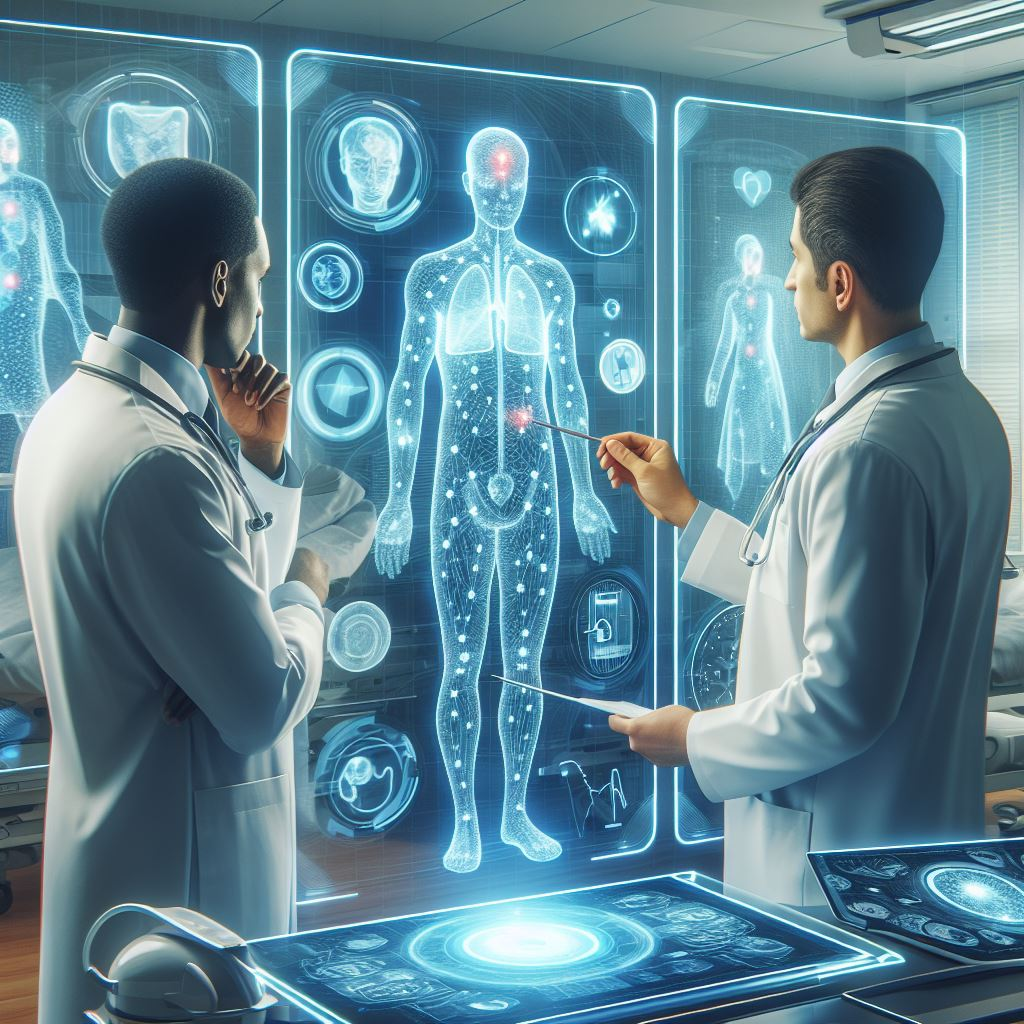
The healthcare sector is undergoing a dramatic transition, with digital twin technology emerging as a game changer in personalising patient care and optimising clinical procedures. Using cutting-edge technologies and approaches, healthcare professionals may construct virtual duplicates of patients, ushering in a new age of precision medicine and data-driven decision-making.

The Digital Twin Ecosystem


At the core of digital twins is a sophisticated ecosystem of technologies that collaborate to generate a complete virtual depiction of a patient. This ecosystem consists of several fundamental components:


Real-time Data Integration: The core of digital twins is real-time data integration, which gathers detailed information from electronic health records (EHRs), wearable devices, medical equipment, and genetic data sources. This multi-source data flow guarantees that the digital twin correctly represents the patient’s current health status, allowing for a comprehensive understanding of their medical condition.

Advanced Analysis and Machine Learning: Advanced analytics and machine learning techniques are critical for analysing the massive amounts of patient data that are gathered. These sophisticated tools recognise patterns, anticipate health risks, and offer personalised treatment regimens based on individual traits and medical histories. Machine learning models may change and modify their predictions as they continually analyse incoming data, allowing for dynamic alterations to treatment regimens.

Virtual Simulations and Extended Reality: Virtual simulations allow healthcare practitioners to see and interact with digital patient replicas, creating a realistic training environment for testing situations and optimising treatment procedures. Extended reality technologies, such as virtual and augmented reality, provide immersive visualisation and training experiences, allowing healthcare professionals to navigate the digital twin’s complicated medical terrain in a safe and regulated setting. These cutting-edge technology provide educational opportunities and enable a better knowledge of patient situations.

AI and Predictive Analytics: Artificial intelligence (AI) powers predictive analytics, projecting illness development and enabling preventive therapies for high-risk people. By analysing patient data, AI systems may detect early warning signals, anticipate probable consequences, and offer preventive measures or early therapies. This proactive strategy enables healthcare practitioners to intervene promptly, perhaps lowering the severity of diseases and improving patient outcomes.

Cloud Computing and Data Management: Cloud computing infrastructure securely stores and processes the huge data volumes necessary for digital twins, providing healthcare organisations with scalability and accessibility for optimal patient data management. Cloud platforms also make it easier for healthcare workers to collaborate and share data, allowing for better care coordination and access to up-to-date patient information.

IoT with Real-Time Monitoring: The Internet of Things (IoT) plays an important role in digital twins because wearables and sensors continually monitor vital signs and health indicators, feeding real-time physiological data into the digital twin model. This real-time monitoring guarantees that the digital twin is up to date on the patient’s changing health condition, allowing for prompt interventions and changes to treatment regimens. IoT devices also allow patients to actively engage in their own care by giving useful self-monitoring data.

Applications & Benefits

The potential uses of digital twins in healthcare are extensive and far-reaching, with various advantages for patients, healthcare professionals, and the whole healthcare system.

Personalised Treatment Planning: Digital twins allow healthcare providers to simulate and analyse the probable consequences of various treatment choices based on each patient’s specific traits and medical history. Using virtual simulations, healthcare teams may make educated judgements on the best treatment approach, reducing possible risks and optimising outcomes.

Disease Progression Modelling and Preventive Care: Digital twins can simulate illness or condition progression over time by continually analysing patient data and adding real-time health information. This feature permits early diagnosis of possible concerns, allowing healthcare practitioners to adopt preventative measures or change treatments proactively, perhaps delaying or stopping disease development.

Clinical Trials and Drug Development: Digital twins can be used to represent patients in clinical trials or drug testing settings. This method can help discover probable adverse responses or optimise doses before undertaking human trials, lowering risks and expenses. Furthermore, digital twins can help create personalised medicine by modelling medication interactions and reactions depending on unique patient characteristics.

Patient Education and Engagement: Digital twins provide an effective tool for patient education and involvement. Healthcare providers may increase patient knowledge and encourage active engagement in their healthcare journey by visualising and describing a patient’s illness, treatment choices, and potential outcomes in an interactive and personalised manner.


Digital twins incorporate real-time data from wearable devices and home monitoring systems, allowing for remote monitoring of patients’ health state. This capacity is especially useful for patients with chronic diseases or those living in remote places, since it allows for early detection of possible concerns and prompt treatments without the need for in-person visits.

Healthcare Workforce Training: Digital twins can be used as virtual patient simulators to teach healthcare personnel in various settings, allowing them to practise diagnostic and treatment procedures without putting real patients at risk. This interactive training experience can help you improve your clinical skills, make better decisions, and be more prepared for challenging medical scenarios.


Ethical Concerns and Future Outlook


As the use of digital twins increases, healthcare organisations must address ethical concerns, data protection, and regulatory issues to guarantee responsible and secure deployment. Strong data governance structures, stringent security measures, and clear criteria for data usage and patient permission are required to preserve confidence and secure sensitive medical information.

Despite these obstacles, the future of healthcare lies in using the potential of digital twin technologies to deliver individualised, data-driven treatment that puts patients at the centre of innovation. As technology advances, the integration of digital twins with emerging technologies like quantum computing, blockchain, and advanced biosensors will expand their capabilities and open up new avenues for personalised medicine and optimised healthcare delivery.


Digital twins in healthcare represent a paradigm change, promising a future in which precision medicine, predictive analytics, and optimised clinical operations are the norm. Healthcare systems may create strong virtual patient representations by integrating cutting-edge technology such as data integration, sophisticated analytics, simulations, AI, cloud computing, IoT, and extended reality. These digital twins provide personalised treatment plans, predictive health insights, and more efficient clinical workflows, opening the door for better patient outcomes and innovative healthcare delivery models. As the healthcare sector accepts this novel approach, it offers the potential to transform patient care and drive innovation throughout the healthcare ecosystem.

Interested in learning more? Contact us at open-innovator@quotients.com for more information and to organise a personalised presentation. We’re available to answer any inquiries and demonstrate the capabilities firsthand. We look forward to engaging with you!