



Categories
Applied Innovation

The Future of Human-AI Relations: Unveiling the Digital Humans

Categories
Applied Innovation

The Future of Human-AI Relations: Unveiling the Digital Humans

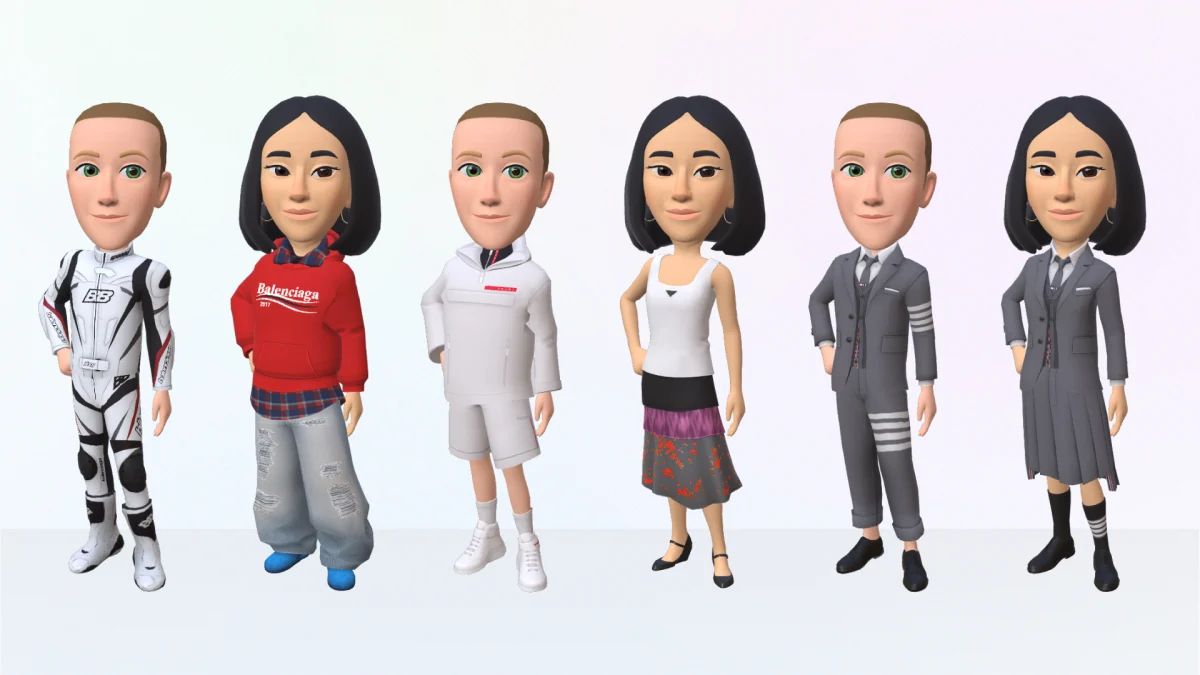
Digital Humans represent a new frontier in the constantly changing field of artificial intelligence that will revolutionize our digital relationships. An important advancement in human-computer interaction, these AI-powered virtual characters provide experiences so lifelike that the digital and real worlds merge.

Advanced virtual beings that have been painstakingly created to mimic human appearance, behavior, and interaction patterns are known as “digital humans.” These advanced avatars combine the best aspects of 3D modeling, artificial intelligence, and emotion detection to create really engaging digital experiences that go beyond the limitations of simple chatbots and AI assistants.

They are useful in a variety of industries, including customer service, healthcare, education, and entertainment, so they are not merely amazing technological marvels. Their ability to understand context, recognize emotions, and respond with appropriate movements and facial expressions makes them excellent partners for businesses looking to provide customized, scalable interactions.

The Science Behind the Sorcery

The process of creating a digital person involves a complex dance between several technology layers, each of which blends in perfectly and plays a vital function. A modular architecture that separates different functional components for a cohesive overall performance is at the forefront.

With its lifelike 3D modeling, fluid speech synthesis, and dynamic text chat, the user interface represents the public face of the digital human. However, behind this captivating façade is an intricate network of backend technologies that painstakingly decipher human speech.

With machine learning algorithms for tailored and adaptable conversations and Natural Language Processing (NLP) for decoding human voice and writing, the intelligence layer serves as the cognitive foundation of the digital human. With the use of these features, the avatar may alter with every encounter, improving future replies by learning from previous interactions.

Digital humans rely on real-time data processing to keep their knowledge up to date and applicable. While state-of-the-art animation systems move their faces and bodies to provide depth to the interface, advanced voice technologies—both for synthesis and recognition—transform text into realistic speech and understand spoken orders.

The highlight is emotion recognition, which distinguishes digital people from their AI counterparts by giving them empathy. Because of their ability to sense and respond to human emotions, they are able to create encounters that feel really attentive and helpful.

The Journey from Blueprint to Reality

The process of creating a digital person is painstaking and begins with a clear understanding of its function. Companies must identify the target audience and specify the avatar’s function, such as customer service, medical consultations, or teaching.

In order to create hyper-realistic avatars with expressive expressions, suitable motions, and contextual settings that align with the brand and user expectations, 3D modeling experts and animation masters collaborate during the design process.

Iterative development takes place, and prototypes are thoroughly examined for accuracy and naturalness. Feedback serves as the compass for ongoing improvements, making sure that interactions are as realistic as possible.

Where They Fit in Our World

Digital people are already causing a stir in a number of areas thanks to their exceptional adaptability. They provide fundamental medical advice and expedite patient contacts in the healthcare industry. They facilitate training and act as virtual instructors in the field of education. They are the sympathetic faces of businesses when it comes to customer service, and they are available 24/7.

Through API integration, they connect to databases, external apps, and customer relationship management systems, allowing them to access relevant data and automate processes like reminders and appointment scheduling.

The Road Ahead

Different infrastructure approaches, such as scalable cloud platforms, secure on-site servers, or edge computing for quick reaction times, can be used for the digital human deployment. Real-time analytics monitor user involvement closely and provide insights that help users perform better over time.

Digital human design places a strong emphasis on accessibility, making sure that tools like voice commands, text-to-speech, and subtitle support successfully serve all users. Their usefulness and attractiveness are increased by this user-centric strategy.

The Transformation of Digital Engagement

Digital people represent a paradigm change toward more human-like digital interactions as well as a technological milestone. AI and emotional intelligence are developing together, giving businesses the ability to create individualized, emotionally intelligent digital experiences.

Digital humans will likely become more complex in the near future, and their interactions will eventually resemble those of real people. Industries including entertainment, education, healthcare, and customer service will probably change as a result of this transition, creating new opportunities for meaningful digital interaction.

Voice commands and text-based communication are no longer the only ways that humans and AI will interact in the future. With their ability to provide empathy, comprehension, and real relationships to our digital lives, digital humans are the next big thing. The line between digital and human connection will eventually be almost eliminated as companies adopt and improve these technologies.

Reach out to us at open-innovator@quotients.com or drop us a line to delve into the transformative potential of groundbreaking technologies. We’d love to explore the possibilities with you


Categories
Applied Innovation

Digital Public Infrastructure: A Catalyst for MSME Growth

Categories
Applied Innovation

Digital Public Infrastructure: A Catalyst for MSME Growth

Digital Public Infrastructure (DPI) is essential for the success of Micro, Small, and Medium Enterprises (MSMEs), which can benefit from increased financial services access, simplified operations, or innovation. Modern economies have incorporated DPI as a fundamental factor, supporting the growth and financial inclusion of MSMEs.

Elements of Digital Public Infrastructure

A significant aspect of Digital Public Infrastructure (DPI) is its digital identity. By providing online identity verification, it enables secure and efficient access to a range of services for both individuals and businesses. Digital identity plays a vital role in Know Your Customer (KYC) processes, loan approvals, and access to financial services for MSMEs. By having a verified digital identity, MSMEs can better navigate the financial landscape, increase their credibility, and facilitate smoother transactions. Also, digital identities make it easier for MSMEs to establish trust with lenders and other financial institutions due to reduced time & effort required for verification.

Digital payment systems play a crucial role in Digital Payment Infrastructure (DPI) by facilitating smooth and secure financial transactions. Payment gateways, digital wallets, and online banking services offer MSMEs effective payment options, decreasing their dependence on cash and enhancing transaction efficiency. Digital platforms like e-commerce marketplaces, government portals, and industry-specific sites link MSMEs with customers, suppliers, and service providers, broadening their market reach and optimizing operations. A strong data infrastructure, which encompasses data storage, processing, and analysis capabilities, is vital for the successful operation of DPI. Reliable internet access and strong cybersecurity measures are essential to ensure secure transactions and protect sensitive information, making DPI a key driver for the growth and development of MSMEs.

Key Benefits of DPI for MSMEs

Digital Public Infrastructure (DPI) can provide a range of benefits for Micro, Small, and Medium Enterprises (MSMEs), greatly improving their operational and financial efficiency. A key advantage of DPI is the provision of digital identities, which are crucial for Know Your Customer (KYC) processes and securing loans. These digital identities make the verification process easier for lenders, saving both time and effort, and facilitating access to credit for MSMEs. Furthermore, DPI allows MSMEs to utilize various financial services like digital wallets, payment gateways, and online banking, which help streamline financial transactions and enhance business operations

Effective cash flow management is a crucial area where DPI plays a significant role. There are platforms that help MSMEs manage their cash flow more effectively by allowing for early payments on invoices giving MSMEs quicker access to working capital. This enhanced cash flow is vital for the daily operations and long-term growth of these businesses. By shortening the payment waiting period, DPI improves liquidity and financial stability for MSMEs.

The digital revolution has broadened the market reach of MSMEs by creating new opportunities through e-commerce platforms. These platforms can allow MSMEs to sell their products and services to a worldwide audience, greatly enhancing market accessibility. This ability to connect with previously unreachable customer bases fosters growth and competitiveness for MSMEs.

Furthermore, e-commerce platforms may provide valuable insights into customer preferences and market trends, enabling MSMEs to make informed business decisions and customize their offerings to align with market demands. This improved market reach empowers MSMEs to scale their operations and compete effectively on a global level

Digital tools and technologies have the potential to transform how MSMEs operate by cutting down on paperwork and automating various processes. The use of digital solutions like Enterprise Resource Planning (ERP) systems, Customer Relationship Management (CRM) software, and supply chain management tools can greatly boost productivity and innovation. These technologies allow MSMEs to manage their resources more efficiently, streamline workflows, and enhance overall operational effectiveness. By concentrating on growth and innovation instead of administrative duties, MSMEs can better position themselves for success in a competitive market.

Additionally, the government is planning to roll out several initiatives to aid the growth and development of MSMEs to bolster the financial infrastructure by encouraging technology upgrades and tackling payment delays. This collaborative strategy equips MSMEs with the essential support and resources they need to thrive in the digital economy. By creating a nurturing ecosystem, the government can ensure that MSMEs have access to the necessary tools and technologies to succeed, helping them overcome challenges and capitalize on opportunities in the digital age.

Takeaway

The development of Digital Public Infrastructure is crucial for empowering MSMEs. It enhances access to financial services, boosts operational efficiency, and broadens market opportunities, thereby supporting individual businesses and playing a significant role in national economic growth. As India strives to become a key economic player by 2030, the importance of DPI in fostering the MSME sector will only grow. Digital Public Infrastructure goes beyond being a mere technological upgrade; it serves as a cornerstone for a vibrant, inclusive economy where MSMEs can thrive. By leveraging DPI, these enterprises can discover new opportunities, foster innovation, and contribute to the nation’s overall prosperity.

Categories
Applied Innovation

Avatars as a Service: Opportunities and Challenges

Categories
Applied Innovation

Avatars as a Service: Opportunities and Challenges

The phrase “avatars as a service” describes the development and usage of virtual representations of individuals or fictional characters in various internet settings. Chatbots, artificial intelligence, machine learning, and human control can all be used to power avatars. Customer service, entertainment, education, health, and other uses for avatars are possible.

Different techniques

Different methods may be used to create 3D avatars. The first technique, known as 3D scanning, is taking a person’s face or body in three dimensions using a smartphone or other specialized device. After processing, the final scan is uploaded to the cloud so that it may be further changed and animated. This service is provided by businesses employing a portable 3D body scanner. A different technique is known as “selfie-based,” in which an avatar is made based on a selfie or photograph of a person’s face. To analyze the image and produce a 3D representation that can be altered and animated, artificial intelligence and machine learning are utilized. The third approach is known as “template-based,” and it enables users to either build an avatar from scratch or edit an existing one with different features and settings. A company that provides this service enables customers to make avatars that can digitally try on apparel and accessories. This method allows for the creation of unique, inventive, and versatile avatars. Avatars as a service make it easy and accessible for users to create their own avatars and use them across different platforms and applications. Depending on the provider and method, the process of creating an avatar can vary in complexity and duration, but the general steps remain the same.

Different Use Cases

Avatars have gained new relevance in recent years as more companies and organizations employ them for a variety of use cases. Avatars are changing different sectors of the economy and may be utilized for a variety of tasks, including customer service, entertainment, education, health, and so on. Customers may have a more interesting and personalized experience thanks to avatars. They are able to conversely aid clients with their questions and offer fixes to their issues. An avatar of a customer service agent, for instance, may assist a consumer with placing an order or guiding them through a troubleshooting procedure. Customers can be welcomed and given introductory information about a company or product using avatars.

In order to give consumers more immersive and captivating experiences, avatars can be employed in video games, movies, and virtual reality applications. Users may personalize their avatars to suit their interests, giving them the freedom to explore virtual worlds and engage in interesting and engaging interactions with other users. For instance, a user can design an avatar that resembles themselves and go on an adventure with companions in a virtual metropolis. The usage of avatars on social media platforms may make the user experience more entertaining and participatory.

The educational sector is also utilizing avatars to improve the learning process. Students may study in a more individualized and immersive way by using avatars to create more dynamic and interesting online courses. Students may practice problem-solving abilities and decision-making in a secure and controlled setting by using avatars to imitate real-life circumstances. For instance, students can practice reacting to a medical emergency by using an avatar to imitate one.

The healthcare sector is another area where avatars are used. Doctors and nurses can employ avatars to help with patient care, especially when actual interaction is impractical or impossible. Avatars may be utilized to provide patients with a rudimentary understanding of their symptoms and available treatments, direct patients through exercises and rehabilitation, and even offer emotional support. An avatar, for instance, may direct a patient through physical therapy exercises and give them performance ratings.

Utilizing avatars may make advertising for goods and services more interesting and tailored. Avatars may be altered to represent the interests and traits of certain clients, enabling companies to develop tailored marketing strategies. An avatar of a famous person, for instance, may be used to advertise a brand-new perfume, and an avatar of a model, a new line of apparel.

Challenges


In addition to the benefits, there are also challenges when using avatars as a service. The quality of avatars can vary depending on the provider and method used. Users may have different expectations and preferences regarding the quality of their avatars. Privacy is also a concern, as avatars as a service involve collecting and processing personal data from users. Security risks include data breaches, hacking, identity theft, or fraud by malicious actors who may try to access or manipulate user data or avatars. Finally, ethical questions arise regarding the implications of creating and using digital representations of people or characters, such as issues of consent, ownership, authenticity, accountability, and responsibility. Despite these challenges, avatars as a service are gaining popularity as a means of personalizing and enhancing user engagement in various online environments

In conclusion, since they may improve interaction, personalization, and engagement, avatars are growing in popularity across a range of businesses. They are employed in marketing, advertising, education, healthcare, and customer service. Future use cases for avatars are likely to be increasingly creative as long as technology keeps developing. The way we engage with technology, one another, and our surroundings might change thanks to avatars.

To discover more about the various evolving use cases in different industries, kindly reach out to us at open-innovator@quotients.com.