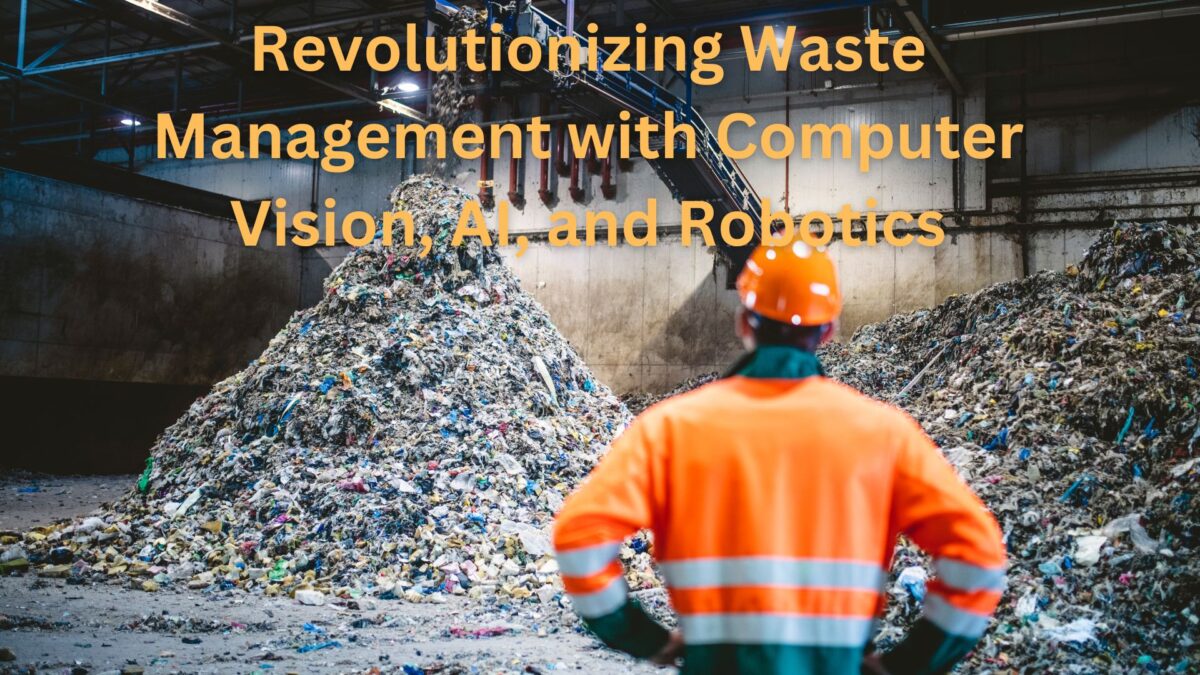








The problem of efficient waste management has never been more urgent in the quickly changing urban environment. Traditional trash disposal techniques are unable to keep up with the growth of cities and rising demand, which results in environmental damage, overflowing landfills, and ineffective recycling. In this context, AI-powered smart dustbin, a technical advancement can revolutionize garbage handling, sorting, and processing by fusing biodegradable processing, the Internet of Things (IoT), and artificial intelligence.
The Rise of Smart Dustbins: Bridging Technology and Sustainability
Compared to traditional containers, smart dustbins are a significant improvement. Smart dustbins are equipped with sophisticated sensors, microcontrollers, and networking modules, in contrast to conventional dumpsters that depend on manual sorting and sporadic pickup. These parts allow for automatic lid operation, intelligent waste stream sorting, and real-time waste level monitoring.
The incorporation of artificial intelligence is fundamental to this invention. Smart dustbins are capable of precisely identifying and categorizing waste materials as recyclable, non-recyclable, or biodegradable by utilizing computer vision and machine learning algorithms. By ensuring that biodegradable garbage is treated effectively and reducing contamination in recycling streams, this automated sorting at the source helps to minimize the amount of waste that ends up in landfills.
By sending real-time data to municipal trash management platforms, such as fill levels and bin status, IoT connection improves the system even more. This eliminates the environmental risks connected with overflowing bins, optimizes collection routes, and lowers operating expenses.
How AI Transforms Waste Sorting and Collection
The application of AI in waste management is a game-changer for both efficiency and sustainability. Here’s how AI-driven smart dustbins are revolutionizing the process:
- Automated Waste Identification: As objects are placed in smart dustbins, integrated cameras and sensors scan them. To identify the kind of waste—plastic, metal, paper, or organic matter—AI algorithms, especially deep learning and neural networks, examine visual and physical traits.
- Source-Level Segregation: AI-powered bins minimize contamination and human error, two significant obstacles to efficient recycling, by instantaneously separating garbage into distinct compartments. The effective processing of biodegradable trash and the preservation of recyclable materials are guaranteed by this exact segmentation.
- Predictive Analytics for Collection: AI systems use real-time and historical data from hundreds of trash cans located around a city to forecast where and when waste will build up. This lowers labor costs, pollutants, and fuel usage by enabling garbage collection providers to design the best routes.
- User Guidance and Feedback: Users receive instant feedback from interactive interfaces, including on-bin displays or smartphone applications, which inform them of appropriate disposal procedures and promote responsible behavior. Certain systems even make the experience more fun by rewarding users who correctly sort.
- Quality Control in Recycling: AI-powered inspection tools keep an eye on the sorted materials’ quality, identifying any contamination or non-compliance and guaranteeing that only recyclables of the highest caliber enter the processing stream.
Municipalities, corporations, and individuals all gain from the outcome, which is a waste management system that is more effective, economical, and ecologically benign.
Integrating Biodegradable Technology: Closing the Loop on Organic Waste
- Biodegradable technology: It tackles the problem of organic waste, while artificial intelligence streamlines sorting and collecting. Methane emissions and resource loss result from the conventional landfilling of food scraps and other biodegradable items. An eco-friendly substitute is provided by smart dustbins with integrated biodegradable processing.
- Composting on-site: Modern smart dustbins have sections that control temperature, aeration, and moisture to produce the best composting conditions. When organic waste is placed in these bins, it decomposes into nutrient-rich compost or organic fertilizer, which can be sold to make money or utilized for landscaping or urban agriculture.
- Automated Separation: AI minimizes contamination and increases process efficiency by ensuring that only appropriate biodegradable materials reach the composting compartment.
- Environmental Monitoring: To ensure safe and efficient operation, sensors within the bin monitor gas emissions (such methane), the rate of decomposition, and other environmental factors.
- Benefits of the Circular Economy: Smart dustbins help create a circular economy by turning organic trash into useful byproducts, which lessens the need for landfills and promotes local food production and green areas. By using biodegradable technology, trash is not only kept out of landfills but is also turned into a resource, which is in line with green waste management principles and global sustainability goals.
Real-Time Monitoring, Data Analytics, and the Smart City Ecosystem
The capacity to produce and use data is where AI-powered smart trash cans really shine. Each trash can gains IoT connection, turning it into a node in a citywide network that continually feeds data into platforms for centralized waste management.
• Real-Time Fill Level Monitoring: Data about whether the bin is empty, half-filled, or full is transmitted via ultrasonic sensors that detect the quantity of garbage in each compartment. A bin’s GPS position and condition are immediately sent to local authorities as it fills up, ensuring prompt collection and avoiding overflow.
• Data-Driven Decision Making: By combining data from hundreds of bins, municipal planners can more accurately anticipate trends, pinpoint trash hotspots, and distribute resources. Proactive management is made possible by predictive analytics’ ability to predict spikes in trash production, such as those that occur during festivals or holidays.
• Improved Public Health and Hygiene: Smart dustbins help create cleaner and healthier urban environments by reducing trash, odor, and the danger of disease transmission by making sure bins are emptied before they overflow.
• Integration with Other Smart City Systems: By connecting smart dustbins to other urban infrastructure, including electricity grids, public health systems, and traffic management, synergies may be created that improve the resilience and sustainability of the city as a whole.
IoT connectivity, AI analytics, and real-time monitoring make smart dustbins a key component of the smart city movement.
The Future of Waste Management: Challenges and Opportunities
As the adoption of AI-powered smart dustbins accelerates, several trends and challenges are emerging:
- Scalability and Cost: Although the initial outlay for smart dustbin infrastructure may be high, there are considerable long-term benefits in terms of environmental cleanup, landfill reduction, and operating efficiency. Cities of various sizes may now afford smart dustbins thanks to advancements in sensor technology and AI algorithms.
- Data Security and Privacy: To safeguard sensitive data and maintain system integrity, strong cybersecurity measures are required as connection grows.
- Public Engagement: User involvement is essential to the success of smart trash cans. Continuous education initiatives, rewards, and open communication are necessary to promote appropriate waste management and optimize the advantages of the technology.
- Policy and Regulation: To guarantee that smart dustbins fulfill their sustainability pledges, governments must set precise rules for data usage, environmental requirements, and the incorporation of biodegradable processes.
In the future, waste management innovation will be fueled by the confluence of AI, IoT, and biodegradable technologies. Future smart dustbins may integrate with renewable energy sources, use blockchain technology to track garbage processes transparently, or even use sophisticated robots for automatic maintenance.
Takeaway:
Waste management has undergone a paradigm leap with the combination of biodegradable technology and AI-powered smart dustbins. These technologies provide a scalable, sustainable, and data-driven solution to the global garbage challenge by facilitating intelligent sorting, real-time monitoring, and on-site processing of organic waste. Cleaner urban surroundings, less reliance on landfills, and a more environmentally friendly future are all made possible by cities and companies adopting this technology.
Reach out to us at open-innovator@quotients.com or drop us a line to delve into the transformative potential of groundbreaking technologies. We’d love to explore the possibilities with you