



Categories
Applied Innovation

Generative AI – a game-changing technology set to revolutionize the way organizations approach knowledge management

Categories
Applied Innovation

Generative AI – a game-changing technology set to revolutionize the way organizations approach knowledge management

In today’s digital era, information is a valuable asset for businesses, propelling innovation, decision-making, and seeking competitive advantage. Effective knowledge management is critical for gathering, organising, and sharing useful information with employees, consumers, and stakeholders. However, traditional knowledge management systems frequently fail to keep up with the growing volume and complexity of data, resulting in information overload and inefficiency. Enter generative AI, a game-changing technology that promises to transform how organisations approach knowledge management.

Generative AI vs Traditional Knowledge Management Systems

GenAI refers to artificial intelligence models that can generate new material, such as text, graphics, code, or audio, using patterns and correlations learnt from large datasets. Unlike typical knowledge management systems, which are primarily concerned with organising and retrieving existing information, generative AI is intended to produce wholly new material from start.

Deep learning methods, notably transformer models such as GPT (Generative Pre-trained Transformer) and DALL-E (a combination of “Wall-E” and “Dali”), are central to generative AI. These models are trained on massive volumes of data, allowing them to recognise and describe complex patterns and connections within it. When given a cue or input, the model may produce human-like outputs that coherently mix and recombine previously learned knowledge in new ways.

Generative AI differs from typical knowledge management systems in its aim and technique. Knowledge management systems essentially organise, store, and disseminate existing knowledge to aid decision-making and issue resolution. In contrast, generative AI models are trained on massive datasets to generate wholly new material, such as text, photos, and videos, based on previously learnt patterns and correlations.

The basic distinction in capabilities distinguishes generative AI. While knowledge management software improves information sharing and decision-making in customer service and staff training, generative AI enables new applications such as virtual assistants, chatbots, and realistic simulations.

Unique Capabilities of Generative AI in Knowledge Management

Generative AI has distinct features that distinguish it apart from traditional knowledge management systems, opening up new opportunities for organisations to develop, organise, and share information more efficiently and effectively.

  1. Knowledge Generation and Enrichment: Traditional knowledge management systems are largely concerned with organising and retrieving existing knowledge. In contrast, generative AI may generate wholly new knowledge assets from existing data and prompts, such as reports, articles, training materials, or product descriptions. This capacity dramatically decreases the time and effort necessary to create high-quality material, allowing organisations to quickly broaden their knowledge bases.
  2. Personalised and Contextualised Knowledge Delivery: Generative AI models can analyse user queries and provide personalised, contextualised replies. This capacity improves the user experience by delivering specialised knowledge and insights that are directly relevant to the user’s requirements, rather than generic or irrelevant data.
  3. Multilingual Knowledge Accessibility: Global organisations often require knowledge to be accessible in multiple languages. Multilingual datasets may be used to train generative AI models, which can then smoothly translate and produce content in many languages. This capacity removes linguistic barriers, making knowledge more accessible and understandable to a wide range of consumers.
  4. User Adoption and Change Management: Integrating generative AI into knowledge management processes may need cultural shifts and changes in employee knowledge consumption habits. Providing training, clear communication, and proving the advantages of generative AI may all assist to increase user adoption and acceptance.
  5. Iterative training and feedback loops enable continual improvement for generative AI models. Organisations should set up systems to gather user input, track model performance, and improve models based on real-world usage patterns and developing data.

The Future of Knowledge Management with Generative AI

As generative AI technology evolves and matures, the influence on knowledge management will become more significant. We might expect increasingly powerful models that can interpret and generate multimodal material, mixing text, pictures, audio, and video flawlessly. Furthermore, combining generative AI with other developing technologies, such as augmented reality and virtual reality, might result in immersive and interactive learning experiences.

Furthermore, developing responsible and ethical AI practices will be critical for assuring the integrity and dependability of generative AI-powered knowledge management systems. Addressing concerns of bias, privacy, and transparency will be critical to the general use and acceptance of these technologies.

Contact us at open-innovator@quotients.com to schedule a consultation and explore the transformative potential of this innovative technology


Categories
Applied Innovation

Leveraging AI and IoT to Improve Power Transformer Reliability

Categories
Applied Innovation

Leveraging AI and IoT to Improve Power Transformer Reliability

Power transformers are crucial components of the electrical grid, ensuring the effective transmission and distribution of power. However, these sophisticated systems are prone to malfunction, resulting in severe operational interruptions, financial losses, and possible safety issues. Fortunately, the incorporation of cutting-edge technology such as the Internet of Things (IoT) and Artificial Intelligence (AI) is changing the way utilities detect and control transformer failures.

IoT-Enabled Remote Monitoring: The Foundation for Proactive Maintenance

The traditional method to transformer maintenance has depended heavily on periodic inspections and manual data collecting. However, this reactive technique frequently fails to discover emerging difficulties before they develop into major failures. IoT-based remote monitoring devices provide a game-changing solution by collecting continuous, real-time data from transformers installed across the grid.

IoT sensors and devices are strategically positioned to monitor a variety of transformer characteristics such as voltage, current, temperature, and load capacity. This information is then wirelessly transferred to a central server for additional processing. By integrating IoT technology, utility operators have unparalleled access into their transformers’ health and performance, enabling for early detection of abnormalities and possible problems.

AI-Driven Predictive Analytics: Turning Data into Actionable Insights

While IoT allows for extensive data collection, the actual value resides in deriving useful insights from this plethora of information. This is where AI comes in, converting raw data into actionable insight using advanced analytics and machine learning techniques.

Artificial intelligence techniques used to analyse IoT data streams include neural networks, support vector machines, and decision trees. These models may learn from past data and recognise patterns that may warn prospective flaws or deterioration. AI algorithms can improve the accuracy of fault prediction models by using techniques such as feature selection and dimensionality reduction to identify the most important features and indications.

One significant technique is the combination of dissolved gas analysis (DGA) with AI-powered analytics. DGA includes analysing the gases dissolved in transformer oil, which can offer useful information on the existence and type of problems. When integrated with machine learning algorithms, DGA data improves problem detection accuracy and speed, allowing for faster reaction and service restoration.

Enhancing Reliability and Reducing Costs

The synergistic coupling of IoT and AI provides significant advantages for transformer failure prediction and management, eventually improving power system dependability and lowering operational costs.


1. Early Fault Detection and Prediction: By continually monitoring transformer characteristics and utilising AI-based analytics, prospective problems may be identified and anticipated well in advance. This preventive strategy reduces the chance of unplanned outages and significant breakdowns, resulting in a more dependable power supply.

2. Targeted Maintenance Strategies: The insights generated from IoT-AI integration allow utilities to optimise maintenance plans and allocate resources where they are most required. Rather of depending on predetermined maintenance intervals, predictive maintenance may be conducted based on the transformers’ current state, eliminating unwanted interventions and related costs.

3. Extended Asset Lifespan: Early identification and prompt repair may considerably increase the lifespan of power transformers, which are expensive assets. By rapidly resolving faults, utilities may extend the operating life of their transformers, avoiding costly replacements and lowering capital costs.

4. Improved operational efficiency: Real-time monitoring and AI-based analytics provide utility operators a complete picture of their systems, allowing for more informed decision-making. This increased operational transparency enables better resource allocation, optimised load management, and overall system efficiency.

5. Enhanced Safety: Transformer failures can offer serious safety issues, such as fires and explosions. By proactively recognising and addressing possible concerns, IoT and AI integration may help decrease these hazards, resulting in a safer working environment for utility professionals and the general public.

Overcoming Challenges and Embracing the Future

While the integration of IoT and AI in transformer failure prediction has significant benefits, it is not without hurdles. Data quality, security, and scalability are essential factors for effective adoption and long-term viability.


Ensuring the quality and dependability of data acquired by IoT devices is critical for successful analysis and decision-making. To deal with possible sensor faults, communication interruptions, and cyber threats, robust data validation and purification processes are required.

Furthermore, the massive volume of data created by IoT networks, along with the computing needs of AI algorithms, necessitates the use of strong data management and processing infrastructure. Cloud computing and edge computing technologies can assist utilities meet the scalability and performance demands of these sophisticated systems.

Despite these obstacles, IoT and AI have the potential to significantly improve transformer failure prediction and management. As the need for dependable and efficient power systems grows, utilities must embrace new technologies in order to remain competitive and fulfil their customers’ changing expectations.

Conclusion

The use of IoT and AI in transformer failure prediction and management offers a paradigm shift in utilities’ approach to asset management and power system dependability. By leveraging real-time data gathering and advanced analytics, utilities may shift from reactive to proactive, predictive maintenance practices.IoT-AI integration paves the way for higher dependability, lower costs, and longer asset lifespans through early defect identification, targeted maintenance, and more operational visibility. As these technologies expand and mature, utilities that embrace digital transformation will be better positioned to provide a more reliable and sustainable power supply, satisfying contemporary society’s ever-increasing energy demands.

Contact us at open-innovator@quotients.com to schedule a consultation and explore the transformative potential of this innovative technology

Categories
Applied Innovation

Unleashing the Power of Gamification in Different Industries

Categories
Applied Innovation

Unleashing the Power of Gamification in Different Industries

Introduction

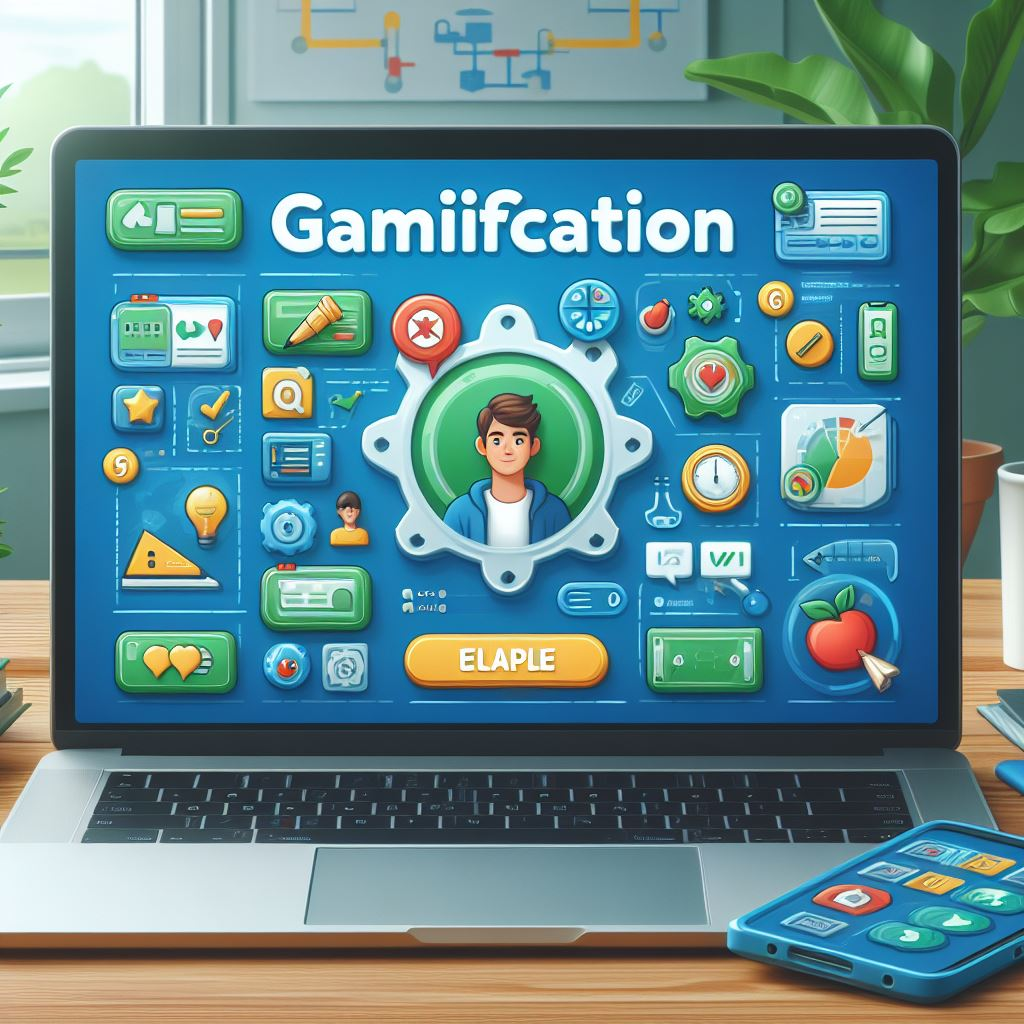
In a world where attention spans are short and engagement levels are typically poor, finding new ways to attract and drive people has become essential. Gamification is the incorporation of game design ideas and techniques into non-game situations. This effective strategy takes advantage of the innate human motivations for success, competitiveness, and social recognition to create interactive and immersive experiences that drive desired results. Gamification is changing how we approach engagement and motivation in fields such as education and healthcare, as well as marketing and employee training.

The Technology Behind Gamification

Gamification is based on a strategic integration of game mechanics and dynamic elements. Game mechanisms like points, badges, leaderboards, awards, levels, and progress tracking are easily linked across several devices and environments. These features appeal to our intrinsic need for success and recognition, motivating users to participate and progress through the gamified experience.

However, gamification extends beyond basic mechanics. Game dynamics, such as competitiveness through leaderboards, teamwork through team tasks, community through social interactions, and the excitement of unlocking new missions or collecting badges, provoke strong emotional responses and behaviors in participants. By carefully managing these dynamics, gamification provides an engaging and rewarding experience that encourages users to participate and accomplish common goals.

Applications Across Industries

Gamification’s adaptability has resulted in its widespread adoption across a variety of businesses and circumstances.

1. Marketing & Customer Engagement


Gamification is being used by businesses to raise brand recognition, strengthen customer relationships, and improve revenue. Achievements, leaderboards, and countdowns are utilised to engage audiences and stimulate interaction with brands. Gamifying the consumer experience allows firms to cultivate brand loyalty and build long-term relationships with their target audience.

2. Employee Training and Engagement.


Gamification has transformed staff training and engagement tactics. By combining game aspects such as objectives, status, leaderboards, community, education, and incentives, organisations may increase training outcomes, staff engagement, and customer happiness. Multinational Companies have effectively used gamification tactics to meet company goals and cultivate a motivated and productive workforce.

3. Health and Wellness


Gamification in healthcare can help patients create good behaviours, manage daily routines, and improve prescription adherence. Companies like Mango Health use gamification to help people live healthier lifestyles and improve their overall well-being. Gamification, by changing seemingly dull jobs into fascinating challenges, has the potential to greatly improve people’s health and well-being.

4. Education & Learning


Gamification transforms the learning experience by introducing game features such as points, badges, leaderboards, feedback, and challenges into educational settings. Educational institutions are redesigning their learning systems to give more engaging and effective learning opportunities. Theere are platforms that have proved the capacity of gamification to make education more engaging and entertaining for students of all ages.

Designing Effective Gamification Strategies

While gamification has enormous promise, its application necessitates a smart and planned approach. Designers must carefully examine the target audience, content, and difficulty of the gamified jobs. Understanding user motivations and preferences is critical for developing an engaging and satisfying experience.

Furthermore, it is critical to establish a balance between enjoyment and theoretical learning, ensuring that gamification features complement rather than distract from the primary goals. Unfair competition and a heavy emphasis on extrinsic incentives should be avoided since they might weaken intrinsic motivation and long-term commitment.

The Future of Gamification

Gamification has a wide range of possible uses as technology advances. Emerging technologies such as virtual and augmented reality, as well as advances in artificial intelligence and machine learning, are creating new opportunities for gamified experiences. From health and wellness to sustainability and civic participation, gamification is a potent tool for influencing behaviour, motivating individuals, and driving good change.

Furthermore, the combination of gamification, personalisation, and adaptive learning technology offers the possibility of producing fully personalised and engaging experiences. Gamified systems may adjust to individual preferences, strengths, and limitations using data and analytics, resulting in a personalised trip that maximises engagement and outcomes.

Gamification is a transformational strategy that uses game design principles and mechanics to create engaging and inspiring experiences. Gamification, by appealing to our intrinsic needs for success, competitiveness, and social recognition, has the ability to transform participation across sectors and situations. As technology progresses and our understanding of human behaviour grows, the opportunities for gamification will expand, opening up new avenues of interaction and promoting good change in our personal and professional lives.

Contact us at open-innovator@quotients.com to schedule a consultation and explore the transformative potential of this innovative technology

Categories
Applied Innovation

How Cutting-Edge Location Intelligence Software is Helping Businesses

Categories
Applied Innovation

How Cutting-Edge Location Intelligence Software is Helping Businesses

In today’s data-driven world, organisations are continuously looking for tools to help them acquire deeper insights, make better decisions, and remain ahead of the competition. One such product that has gained popularity is location intelligence software. This sophisticated technology uses geographic data and spatial analysis to give organisations important insights into their operations, consumers, and market trends. In this post, we’ll look at the essential characteristics and benefits of location intelligence software and how it may transform decision-making processes for organisations of all sizes.

Understanding Location Intelligence Software

At its heart, location intelligence software is a powerful platform that allows organisations to analyse data in a geographical context. Businesses that integrate geographic data with standard business data, such as customer information and sales numbers, can reveal hidden patterns, recognise trends, and make better choices. 

Key Features:

Robust Relational Database: One of the distinguishing characteristics of location intelligence software is its integration with a professional-grade relational database. This enables users to effortlessly mix attribute data with geographic layers, run spatial searches, and do polygon overlays. Whether it’s analysing sales data by region or finding regions with high consumer density, the relational database allows users to easily execute complicated analytics.

Data Integration: Location intelligence software excels at integrating a variety of data sources, such as aerial maps, geographic information systems (GIS), consumer demographics, and organisational records. Businesses may acquire a thorough picture of their operations and market dynamics by combining and analysing different statistics.

Data Visualisation: Transforming raw data into actionable insights is a key feature of location intelligence software. Businesses may use straightforward data visualisation tools to generate color-coded maps, charts, and graphs that illustrate trends and patterns. Whether it is visualising consumer dispersion or analysing sales performance across regions, data visualisation improves decision-making by providing information in a simple and consumable way.

Customer and Marketing Analysis: Location intelligence software provides a key geographical component to Business Intelligence (BI) and Customer Relationship Management (CRM) systems. Geographic data may help companies better understand consumer behaviour, target certain demographics, and optimise marketing efforts.

Ease of Use: Despite its extensive capabilities, location intelligence software is intended to be user-friendly. Users of various skill levels may benefit from its straightforward design and customisable features, allowing them to get useful information. The programme caters to a wide range of user demands and preferences, from seasoned analysts to marketing managers.

Location intelligence software is a strong tool that allows organisations to realise the full potential of geographic data and spatial analysis. With its powerful capabilities, user-friendly design, and reasonable price, organisations can acquire essential insights, make educated decisions, and drive success in an increasingly competitive market. Whether it’s optimising marketing tactics, analysing consumer behaviour, or spotting development prospects, location intelligence software is changing the way organisations operate. Organisations that embrace this technology may design a road towards better, more data-driven decision-making.

Contact us at open-innovator@quotients.com to schedule a consultation and explore the transformative potential of this innovative technology

Categories
Applied Innovation

Computer Vision-Based Solutions Revolutionizing Waste Management

Categories
Applied Innovation

Computer Vision-Based Solutions Revolutionizing Waste Management

In today’s world, proper waste management is a critical environmental issue that necessitates novel solutions. With the growing volume of municipal solid waste (MSW) produced by metropolitan populations, traditional garbage sorting processes have proven to be labor-intensive, time-consuming, and frequently dangerous to human health. However, the development of cutting-edge image processing techniques and machine learning algorithms has prepared the way for a game-changing solution to garbage segregation: an automated waste segregation system.

The Automated Garbage Segregation System (AGSS) is a ground-breaking system that seeks to improve garbage sorting efficiency, accuracy, and environmental sustainability. At the heart of this system is a complex blend of hardware and software components that work together to accomplish accurate garbage classification.

The hardware configuration includes a conveyor belt, a high-resolution camera, an L-shaped sorting machine, and an UNO microcontroller. The conveyor belt acts as the principal input channel, feeding unsorted MSW sparsely to reduce overlapping items. As the trash objects go along the conveyor, the camera takes detailed photos that are subsequently analysed by the software component.

The software component serves as the AGSS’s brain, using powerful picture categorization algorithms based on machine learning. This neural network has been rigorously trained on a massive library of municipal solid waste photos, allowing it to correctly recognise and categorise various sorts of waste items. The neural network’s output specifies the location and kind of identified items, which is critical information for the sorting process.

After the waste materials have been recognised and sorted, the sorting unit is brought into action. This innovative construction is intended to efficiently transport waste components from the conveyor belt and guide them to the proper bins. Using precise mechanical motions, the L-shaped equipment can separate waste things such cardboard, glass, metal, paper, plastic, and non-recyclable trash into their respective designated bin.

The fundamental goal of the AWSS is to categorise trash into two types: recyclable and non-recyclable. However, the system’s flexibility enables additional sub-classification based on the reusability and recyclability of certain materials. This granular degree of sorting not only helps proper waste management, but it also allows for the recovery of valuable materials, contributing to a circular economy.


The use of the AWSS provides various benefits over traditional trash sorting systems. First and foremost, it removes the necessity for manual sorting, which reduces the risk of exposure to hazardous chemicals and the possibility of human mistake. Furthermore, the system’s automated nature provides constant and precise classification, which improves total waste management efficiency.

Furthermore, by successfully sorting recyclable materials from non-recyclable garbage, the AWSS helps to reduce the quantity of waste that ends up in landfills or incineration facilities. This not only reduces the environmental effect of incorrect trash disposal, but also encourages the recovery and reuse of valuable materials, which is consistent with the ideals of sustainable development.

The importance of trash separation cannot be emphasised. Improper waste management and disposal can have serious environmental effects, such as soil and water contamination, air pollution, and disease transmission. By establishing proper waste segregation procedures, communities may take a proactive approach to environmental protection and building a cleaner, healthier society.

Furthermore, the AGSS allows for connection with current waste management infrastructure and rules. Local governments and trash management organisations may use this technology to simplify operations, optimise resource allocation, and improve the overall efficacy of their waste management plans.


While the initial installation of the AGSS may necessitate significant expenditure in infrastructure and training, the long-term advantages exceed the expenses. Communities may lead the path for a more sustainable future by adopting automation and using the power of image processing and machine learning. Waste will be seen as a useful resource rather than a burden.

Finally, the Automated Waste Segregation System, which employs image processing techniques, is a ground-breaking solution to solving the worldwide waste management dilemma. Using cutting-edge technology, this system provides an efficient, accurate, and ecologically responsible garbage sorting solution. As communities worldwide try to accomplish sustainable development goals, the adoption of breakthrough technologies such as the AWSS will be critical in building a cleaner, greener, and more resource-conscious future for future generations.

Discover how our cutting-edge Automated Waste Segregation System can streamline your waste management operations, reduce environmental impact, and unlock new opportunities for resource recovery. Contact us at open-innovator@quotients.com to schedule a consultation and explore the transformative potential of this innovative technology
Categories
Applied Innovation

How Digital Twins Are Revolutionising Patient Care

Categories
Applied Innovation

How Digital Twins Are Revolutionising Patient Care

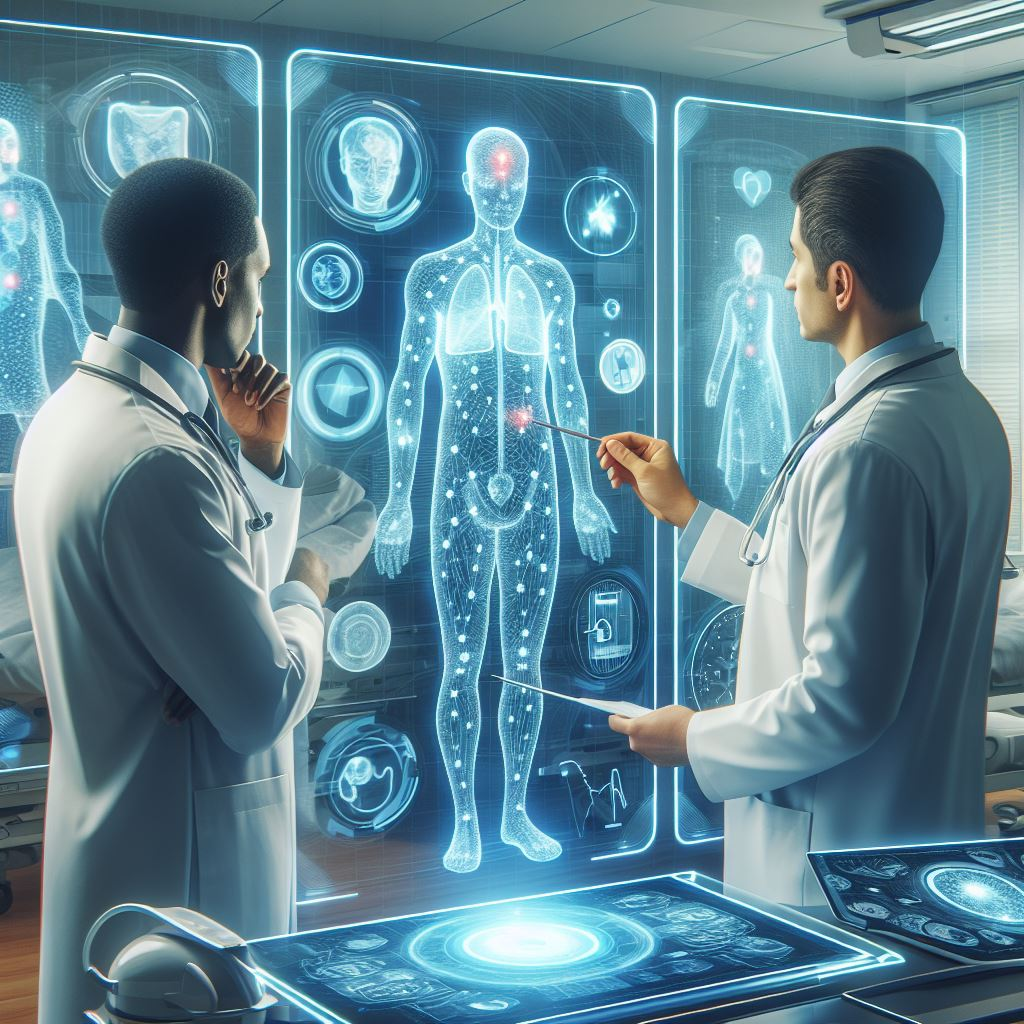
The healthcare sector is undergoing a dramatic transition, with digital twin technology emerging as a game changer in personalising patient care and optimising clinical procedures. Using cutting-edge technologies and approaches, healthcare professionals may construct virtual duplicates of patients, ushering in a new age of precision medicine and data-driven decision-making.

The Digital Twin Ecosystem


At the core of digital twins is a sophisticated ecosystem of technologies that collaborate to generate a complete virtual depiction of a patient. This ecosystem consists of several fundamental components:


Real-time Data Integration: The core of digital twins is real-time data integration, which gathers detailed information from electronic health records (EHRs), wearable devices, medical equipment, and genetic data sources. This multi-source data flow guarantees that the digital twin correctly represents the patient’s current health status, allowing for a comprehensive understanding of their medical condition.

Advanced Analysis and Machine Learning: Advanced analytics and machine learning techniques are critical for analysing the massive amounts of patient data that are gathered. These sophisticated tools recognise patterns, anticipate health risks, and offer personalised treatment regimens based on individual traits and medical histories. Machine learning models may change and modify their predictions as they continually analyse incoming data, allowing for dynamic alterations to treatment regimens.

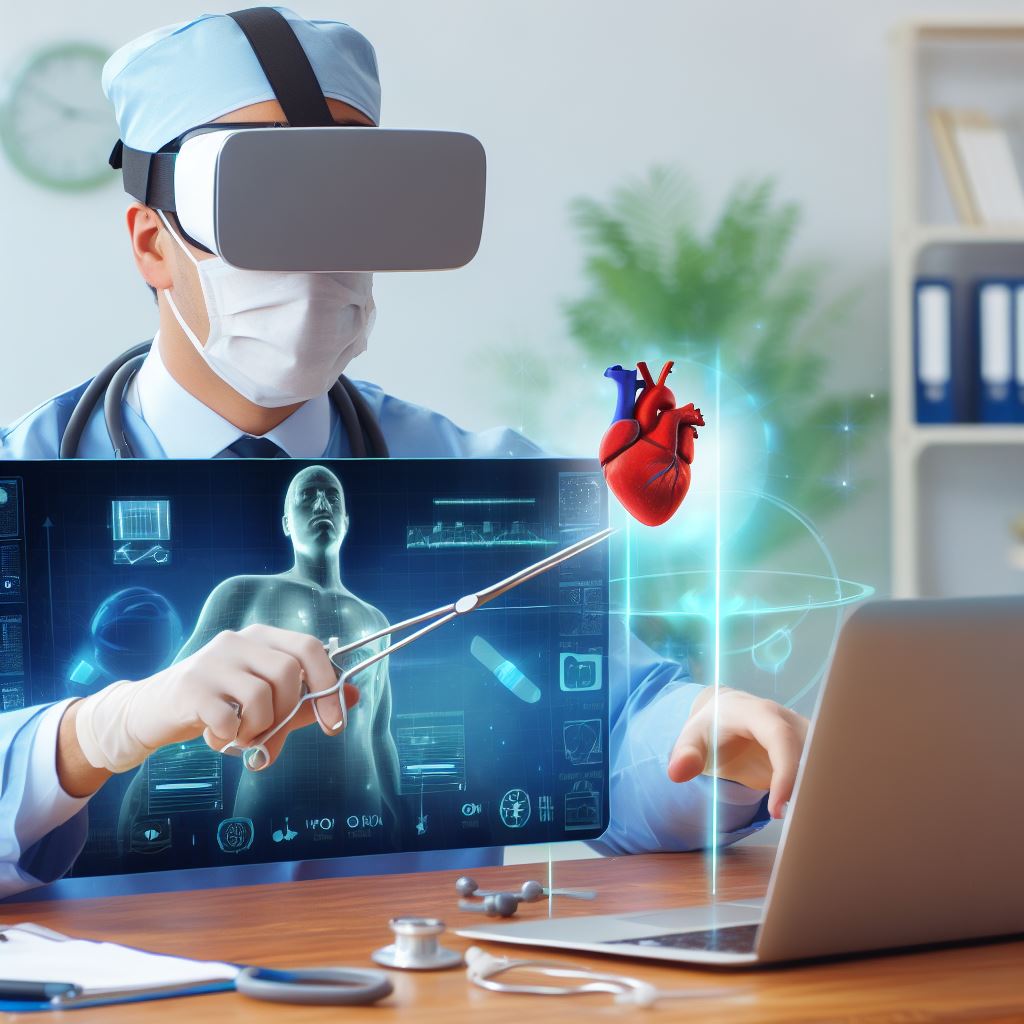
Virtual Simulations and Extended Reality: Virtual simulations allow healthcare practitioners to see and interact with digital patient replicas, creating a realistic training environment for testing situations and optimising treatment procedures. Extended reality technologies, such as virtual and augmented reality, provide immersive visualisation and training experiences, allowing healthcare professionals to navigate the digital twin’s complicated medical terrain in a safe and regulated setting. These cutting-edge technology provide educational opportunities and enable a better knowledge of patient situations.

AI and Predictive Analytics: Artificial intelligence (AI) powers predictive analytics, projecting illness development and enabling preventive therapies for high-risk people. By analysing patient data, AI systems may detect early warning signals, anticipate probable consequences, and offer preventive measures or early therapies. This proactive strategy enables healthcare practitioners to intervene promptly, perhaps lowering the severity of diseases and improving patient outcomes.

Cloud Computing and Data Management: Cloud computing infrastructure securely stores and processes the huge data volumes necessary for digital twins, providing healthcare organisations with scalability and accessibility for optimal patient data management. Cloud platforms also make it easier for healthcare workers to collaborate and share data, allowing for better care coordination and access to up-to-date patient information.

IoT with Real-Time Monitoring: The Internet of Things (IoT) plays an important role in digital twins because wearables and sensors continually monitor vital signs and health indicators, feeding real-time physiological data into the digital twin model. This real-time monitoring guarantees that the digital twin is up to date on the patient’s changing health condition, allowing for prompt interventions and changes to treatment regimens. IoT devices also allow patients to actively engage in their own care by giving useful self-monitoring data.

Applications & Benefits

The potential uses of digital twins in healthcare are extensive and far-reaching, with various advantages for patients, healthcare professionals, and the whole healthcare system.

Personalised Treatment Planning: Digital twins allow healthcare providers to simulate and analyse the probable consequences of various treatment choices based on each patient’s specific traits and medical history. Using virtual simulations, healthcare teams may make educated judgements on the best treatment approach, reducing possible risks and optimising outcomes.

Disease Progression Modelling and Preventive Care: Digital twins can simulate illness or condition progression over time by continually analysing patient data and adding real-time health information. This feature permits early diagnosis of possible concerns, allowing healthcare practitioners to adopt preventative measures or change treatments proactively, perhaps delaying or stopping disease development.

Clinical Trials and Drug Development: Digital twins can be used to represent patients in clinical trials or drug testing settings. This method can help discover probable adverse responses or optimise doses before undertaking human trials, lowering risks and expenses. Furthermore, digital twins can help create personalised medicine by modelling medication interactions and reactions depending on unique patient characteristics.

Patient Education and Engagement: Digital twins provide an effective tool for patient education and involvement. Healthcare providers may increase patient knowledge and encourage active engagement in their healthcare journey by visualising and describing a patient’s illness, treatment choices, and potential outcomes in an interactive and personalised manner.


Digital twins incorporate real-time data from wearable devices and home monitoring systems, allowing for remote monitoring of patients’ health state. This capacity is especially useful for patients with chronic diseases or those living in remote places, since it allows for early detection of possible concerns and prompt treatments without the need for in-person visits.

Healthcare Workforce Training: Digital twins can be used as virtual patient simulators to teach healthcare personnel in various settings, allowing them to practise diagnostic and treatment procedures without putting real patients at risk. This interactive training experience can help you improve your clinical skills, make better decisions, and be more prepared for challenging medical scenarios.


Ethical Concerns and Future Outlook


As the use of digital twins increases, healthcare organisations must address ethical concerns, data protection, and regulatory issues to guarantee responsible and secure deployment. Strong data governance structures, stringent security measures, and clear criteria for data usage and patient permission are required to preserve confidence and secure sensitive medical information.

Despite these obstacles, the future of healthcare lies in using the potential of digital twin technologies to deliver individualised, data-driven treatment that puts patients at the centre of innovation. As technology advances, the integration of digital twins with emerging technologies like quantum computing, blockchain, and advanced biosensors will expand their capabilities and open up new avenues for personalised medicine and optimised healthcare delivery.


Digital twins in healthcare represent a paradigm change, promising a future in which precision medicine, predictive analytics, and optimised clinical operations are the norm. Healthcare systems may create strong virtual patient representations by integrating cutting-edge technology such as data integration, sophisticated analytics, simulations, AI, cloud computing, IoT, and extended reality. These digital twins provide personalised treatment plans, predictive health insights, and more efficient clinical workflows, opening the door for better patient outcomes and innovative healthcare delivery models. As the healthcare sector accepts this novel approach, it offers the potential to transform patient care and drive innovation throughout the healthcare ecosystem.

Interested in learning more? Contact us at open-innovator@quotients.com for more information and to organise a personalised presentation. We’re available to answer any inquiries and demonstrate the capabilities firsthand. We look forward to engaging with you!

Categories
Visibility Quotient

Newsletter- March 2024

Categories
Applied Innovation

Expanding Role of Artificial Intelligence in Healthcare and Rehabilitation

Categories
Applied Innovation

Expanding Role of Artificial Intelligence in Healthcare and Rehabilitation

In the ever-changing environment of healthcare, Artificial Intelligence (AI) is emerging as a disruptive force comparable to the fourth Industrial Revolution. Its applications cover a wide range of medical fields, with the potential to transform how we approach patient care and rehabilitation.

The Essentials of AI in Medicine:

At its essence, AI refers to computers’ ability to do tasks intelligently while under human supervision. In medicine, AI is more than simply a technology improvement; it is a paradigm revolution. AI has a wide-ranging impact, from assisting clinical disciplines such as radiography to revolutionizing rehabilitation.

AI in Clinical Practice:

One of AI’s most significant accomplishments is its capacity to help healthcare practitioners make clinical decisions. Algorithms are used to learn, think, and generate insights, which improve processes such as radiography and rehabilitation. The technology expands its reach by curating the most recent material from journals, books, and evidence-based practices, allowing for better-informed healthcare decision-making. Furthermore, AI plays an important role in decreasing medical mistakes, a fundamental component of guaranteeing patient safety in healthcare settings.

Sports Medicine and Orthopaedics:

In sports medicine and orthopaedics, AI is showing promise in forecasting athlete injury risks, interpreting medical imaging, and assessing patient-reported results. These applications not only improve the accuracy of diagnosis but also lead to more effective treatment and rehabilitation.

Rehab Revolution:

The influence of AI on rehabilitation is significant. AI improves patient care by helping physical therapists conduct complete exams, anticipate performance, and make accurate diagnoses. Its uses include problem solving, x-ray diagnostics, and the development of best practice guidelines. The use of AI into medical and rehabilitative operations is a big step forward in improving patient outcomes.

Neurology and AI:

AI plays a vital function in neurology. Computer-aided diagnostic (CAD) systems, which use AI and contemporary signal processing technologies, let physicians analyse and interpret physiological data and pictures more efficiently. This is especially important in treating neurological illnesses including epilepsy, Parkinson’s disease, Alzheimer’s disease, multiple sclerosis, and ischemic brain stroke.
AI’s impact does not end there; it actively contributes to the resolution of difficult therapeutic problems associated with brain illnesses. Ongoing study and the development of effective algorithms improve our knowledge of complex brain systems.

AI’s Potential in Neurological Physical Therapy:

AI’s potential in neurologic physical therapy is enormous and transformational. Artificial intelligence has been developed to aid in robotic-assisted treatment, motor function and gait evaluation, upper extremity rehabilitation, and movement analysis. For example, wearable sensors collect data on walking patterns, allowing anomalies to be identified. These AI-powered sensors are critical for analysing functional activities and personalising treatment programmes.

In combination with tele-rehabilitation, virtual reality, and body-worn sensors, the future promises a holistic strategy to monitoring home workouts. Remote therapists might be alerted to erroneous exercise performance or the need for change, thereby improving patient care dramatically.

Finally, incorporating AI into healthcare and rehabilitation is more than a technology development; it is a revolution. As the global healthcare agenda aims for universal health coverage, AI’s potential influence on healthcare delivery is unparalleled. Professionals must embrace the continuing discourse around AI to guarantee appropriate integration and better patient outcomes. AI literacy is essential for successfully navigating the ever-changing healthcare and rehabilitation market. Stay tuned for more on AI’s transformational impact in healthcare and write to us at open-innovator@quotients.com.

Categories
Applied Innovation

Streamlining Business Processes with Autonomous Process Automation (APA)

Categories
Applied Innovation

Streamlining Business Processes with Autonomous Process Automation (APA)

Businesses are constantly looking for ways to improve efficiency and productivity in the ever-changing realm of digital technology. Autonomous Process Automation (APA), a user-friendly application meant to smoothly automate digital operations, is one such breakthrough innovation.

Understanding the APA:

At its core, Autonomous Process Automation is a complex software technology that has been deliberately designed for ease of use. It enables users to build software robots, sometimes known as “bots,” that are capable of learning, emulating, and performing rules-based business processes. These digital beings interact with applications and systems in the same way that human operators do, but with the particular benefits of continuous operation, increased speed, and unrivalled dependability and precision.

Advantages of APA Implementation:


The benefits of adopting APA into company processes are numerous and transformational. APA guarantees that jobs are completed consistently, increasing both speed and accuracy. These bots, who act as a Digital Workforce, bring cost savings, increased accuracy, and faster delivery times. Perhaps most importantly, APA frees human resources from routine duties, allowing them to focus on higher-value work. As a result, employee engagement improves and new income prospects emerge.

Real-world Applications:

Anonymous Process Automation (APA) is a versatile and dynamic system with applications in a wide range of industries. APA emerges as a powerful force for optimising procedures and improving overall operational efficiency in industries ranging from insurance and finance to healthcare and manufacturing. Through the automation of user information changes, APA allows for a significant reduction in processing time in the insurance industry. Banking undergoes a paradigm change as APA ushers in a new age, saving millions of dollars on system migration by automating customer service. APA’s ability in solving complicated procedures, such as purchase order processing, results in considerable cost reductions in the manufacturing world. This versatility presents APA as a disruptive force capable of revolutionising numerous industries and altering the operational efficiency environment.
Implementation:

Organisations are urged to begin a discovery phase for effective APA adoption. This entails a thorough examination of their digital transformation vision. A people-centric strategy that incorporates stakeholders at all levels is critical to this process. Organisations may ensure a smoother transition into the realm of Autonomous Process Automation by integrating human resources as change agents and APA advocates.

Final Thoughts:

Autonomous Process Automation is a strong catalyst for organisations aiming to revolutionise their processes, improve accuracy, and uncover new digital possibilities. As organisations commence on their APA journey, the potential for increased efficiency and long-term growth becomes clear. APA not only automates processes, but it also reshapes the work environment, freeing up human talent to focus on creative, problem-solving, and strategic endeavours that lead to long-term success. Embracing APA is a deliberate move towards a more agile, responsive, and forward-thinking future.

Are you intrigued by the limitless possibilities offered by modern technologies? Can you imagine a potential transformation in your business through innovative solutions? If so, we invite you to embark on a journey of exploration and evolution!
Let’s initiate a transformative partnership. Reach out to us at open-innovator@quotients.com.